Old Testament
Scripture
The Book of Tobit Tobit 12:8-9
“Prayer is good when accompanied by fasting, almsgiving, and righteousness. … For almsgiving delivers from death, and it will purge away every sin.”
Start page / Objections / Salvation
Verses cited for this objection: Acts 8:18-20, Eph. 2:8-9, Heb. 10:14
Short answer
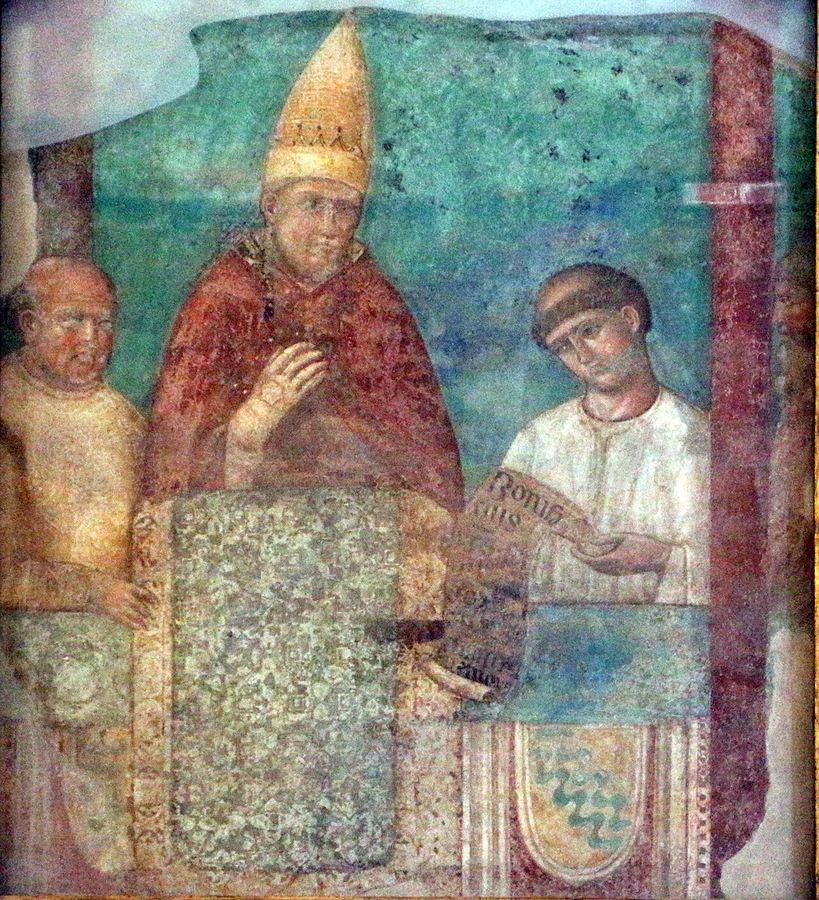
An indulgence does not forgive sin. It is a remission of the temporal punishment that remains for sins whose guilt has already been forgiven, and Aquinas says true contrition and confession are required to gain one. The Church grants it by the power to bind and loose that Christ gave her, and the bishops of the early centuries used that power to shorten penances. Abuses did happen. The Fourth Lateran Council, the Council of Trent and Pope Paul VI all say so, and Trent abolished the office of the alms collectors and ordered every evil gain connected with indulgences to be abolished.
Jesus gives his disciples the power to bind and to loose, and says that heaven will hold to what they bind and loose on earth.
“Truly, I say to you, whatever you bind on earth shall be bound in heaven, and whatever you loose on earth shall be loosed in heaven.”
JesusMatthew 18:18Read it in the source: Bible Gateway, RSV Catholic Edition
An indulgence is an act of that power. It forgives no sin. It is given only to someone who has already repented and been forgiven, and it rests wholly on what Christ won on the cross.
Drafted from primary sources. Every quotation is checked against the page it links to.
A work in progress. The quotations below are not all the evidence on this matter. More are being added.

“David said to Nathan, “I have sinned against the Lord.” And Nathan said to David, “The Lord also has put away your sin; you shall not die. Nevertheless, because by this deed you have utterly scorned the Lord, the child that is born to you shall die.””
“Prayer is good when accompanied by fasting, almsgiving, and righteousness. … For almsgiving delivers from death, and it will purge away every sin.”
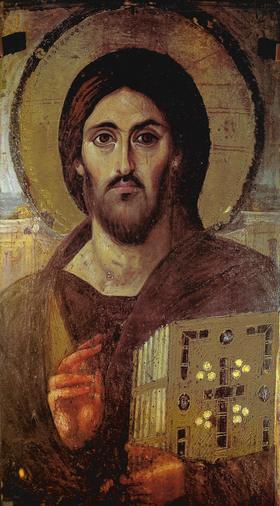
“Truly, I say to you, whatever you bind on earth shall be bound in heaven, and whatever you loose on earth shall be loosed in heaven.”
“Now when Simon saw that the Spirit was given through the laying on of the apostles’ hands, he offered them money, saying, “Give me also this power, that any one on whom I lay my hands may receive the Holy Spirit.” But Peter said to him, “Your silver perish with you, because you thought you could obtain the gift of God with money!”
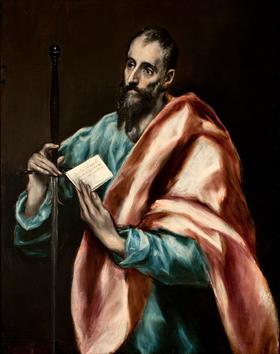
“For such a one this punishment by the majority is enough; so you should rather turn to forgive and comfort him, or he may be overwhelmed by excessive sorrow. … Any one whom you forgive, I also forgive. What I have forgiven, if I have forgiven anything, has been for your sake in the presence of Christ”
“Now I rejoice in my sufferings for your sake, and in my flesh I complete what is lacking in Christ’s afflictions for the sake of his body, that is, the church”
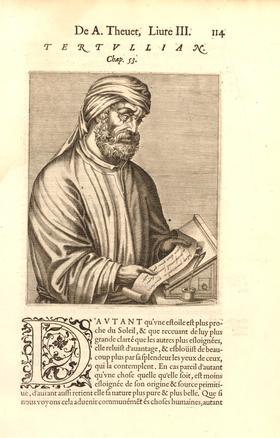
“Some, not able to find this peace in the Church, have been used to seek it from the imprisoned martyrs. And so you ought to have it dwelling with you, and to cherish it, and to guard it, that you may be able perhaps to bestow it upon others.”
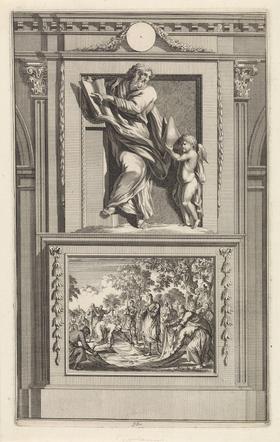
“…they who have received certificates from the martyrs, and may be assisted by their privilege with God, if they should be seized with any misfortune and peril of sickness, should, without waiting for my presence, before any presbyter who might be present, or if a presbyter should not be found and death begins to be imminent, before even a deacon, be able to make confession of their sin, that, with the imposition of hands upon them for repentance, they should come to the Lord with the peace which the martyrs have desired, by their letters to us, to be granted to them.”
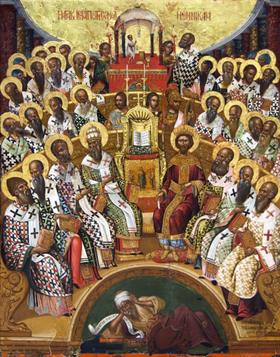
“In every case, however, their disposition and the nature of their penitence should be examined. For those who through their fear and tears and perseverance and good works give evidence of their conversion by deeds and not by outward show, when they have completed their appointed term as hearers, may properly take part in the prayers, and the bishop is competent to decide even more favourably in their regard. But those who have taken the matter lightly, and have thought that the outward form of entering the church is all that is required for their conversion, must complete their term to the full.”
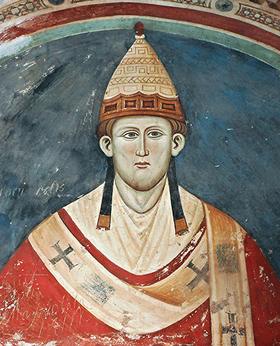
“Let those who are sent to seek alms be modest and discreet, and let them not stay in taverns or other unsuitable places or incur useless or excessive expenses, being careful above all not to wear the garb of false religion. Moreover, because the keys of the church are brought into contempt and satisfaction through penance loses its force through indiscriminate and excessive indulgences, which certain prelates of churches do not fear to grant, we therefore decree that when a basilica is dedicated, the indulgence shall not be for more than one year”
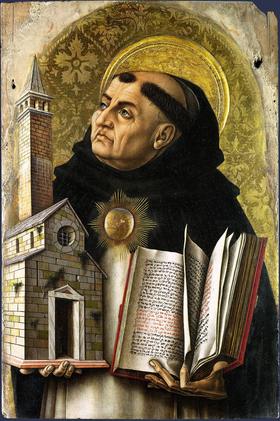
“Hence we must say on the contrary that indulgences hold good both in the Church's court and in the judgment of God, for the remission of the punishment which remains after contrition, absolution, and confession, whether this punishment be enjoined or not. The reason why they so avail is the oneness of the mystical body in which many have performed works of satisfaction exceeding the requirements of their debts”
“…although those merits which are applied by means of an indulgence, might possibly avail a person so that he could merit grace (by way of congruity and impetration), yet it is not for this reason that they are applied, but for the remission of punishment. Hence they do not avail those who are in mortal sin, and consequently, true contrition and confession are demanded as conditions for gaining all indulgences.”
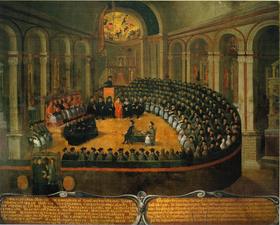
“But neither is this satisfaction, which we discharge for our sins, so our own, as not to be through Jesus Christ. For we who can do nothing of ourselves, as of ourselves, can do all things, He cooperating, who strengthens us. Thus, man has not wherein to glory, but all our glorying is in Christ: in whom we live; in whom we merit; in whom we satisfy; bringing forth fruits worthy of penance, which from him have their efficacy; by him are offered to the Father; and through him are accepted by the Father.”
“Whereas many remedies, heretofore applied by divers councils in their day, as well by that of Lateran, and of Lyons, as by that of Vienne, against the wicked abuses of questors of alms, have become in later times useless; yea, rather the depravity of such is, to the great scandal and complaint of all the faithful, found daily so to increase the more, as that there seems to be no longer any hope left of their amendment; (the Synod) ordains that, in all parts of Christendom soever, their name and use be henceforth utterly abolished … that so all men may at length truly understand, that these heavenly treasures of the Church are administered, not for gain, but for godliness.”
“Whereas the power of conferring Indulgences was granted by Christ to the Church; and she has, even in the most ancient times, used the said power, delivered unto her of God … And being desirous that the abuses which have crept therein, and by occasion of which this honourable name of Indulgences is blasphemed by heretics, be amended and corrected, It ordains generally by this decree, that all evil gains for the obtaining thereof, whence a most prolific cause of abuses amongst the Christian people has been derived, be wholly abolished.”
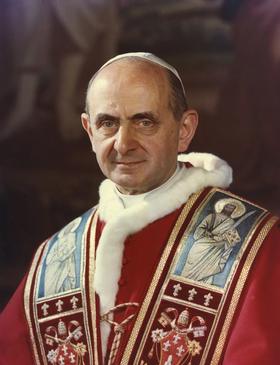
“Unfortunately, the practice of indulgences has at times been improperly used either through "untimely and superfluous indulgences" by which the power of the keys was humiliated and penitential satisfaction weakened, or through the collection of "illicit profits" by which indulgences were blasphemously defamed. But the Church, in deploring and correcting these improper uses "teaches and establishes that the use of indulgences must be preserved because it is supremely salutary for the Christian people and authoritatively approved by the sacred councils…"”
“Scripture and the Fathers insist above all on three forms, fasting, prayer, and almsgiving, which express conversion in relation to oneself, to God, and to others. Alongside the radical purification brought about by Baptism or martyrdom they cite as means of obtaining forgiveness of sins: effort at reconciliation with one's neighbor, tears of repentance, concern for the salvation of one's neighbor, the intercession of the saints, and the practice of charity "which covers a multitude of sins."”
“An indulgence is a remission before God of the temporal punishment due to sins whose guilt has already been forgiven, which the faithful Christian who is duly disposed gains under certain prescribed conditions through the action of the Church … An indulgence is obtained through the Church who, by virtue of the power of binding and loosing granted her by Christ Jesus, intervenes in favor of individual Christians and opens for them the treasury of the merits of Christ and the saints to obtain from the Father of mercies the remission of the temporal punishments due for their sins.”
“The forgiveness of sin and restoration of communion with God entail the remission of the eternal punishment of sin, but temporal punishment of sin remains.”
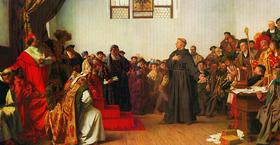 ProtestantismIn 1517 Martin Luther published ninety-five theses on indulgences. This timeline begins with what led up to them: an old abuse that a council had warned against, Luther's years as an Augustinian friar and the struggle of conscience he describes, what he was writing before indulgences came up, and the indulgence preached for the building of St. Peter's. It then gives the theses, the Church's reply, what the Church later said had been wrong, and the reforms the Council of Trent made. After that it follows the teachings that set Protestants apart from the Catholic Church as each one is put forward. It also shows, step by step, how the Reformers and their confessions came to set seven books of the Old Testament outside the canon. Each of those entries links to the earliest witness on this site to what the Church already taught on that point, and to the full Catholic answer. It ends with how far the Protestant bodies came to differ among themselves, and with what each says today about how a person is saved, in the words of its own confession.
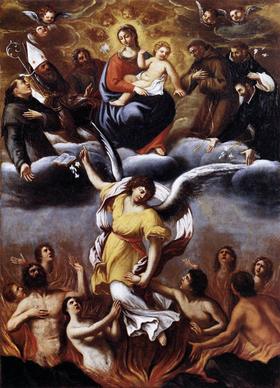 Purgatory“Purgatory is not in the Bible. Jesus told the thief he would be with him in Paradise that day, and Paul says that to be away from the body is to be at home with the Lord.”
 Penance and ReconciliationPenance, also called Reconciliation or Confession, is the sacrament in which the Church, in the Lord's name, forgives sins committed after Baptism. This timeline starts with Christ forgiving sins and giving the apostles that power. It then shows how the Church dealt with grave sin in the first centuries, by a public penance that was often allowed only once, how private and repeated confession became the usual form, and what the councils, a Doctor and the popes have said about it since.
 Confession to a priest“We don't need to confess our sins to a priest. Christ is the one mediator, the veil was torn, and we can go straight to God for forgiveness.”
 Faith and works“Catholics say you are saved by grace at first, but after that you have to keep yourself saved by your own works. Scripture says we are justified by faith apart from works.”
 Praying to saints“Praying to saints is talking to the dead, which God forbids as necromancy. Jesus taught us to pray to the Father, and there is one mediator between God and men.”