Tradition Timeline Leave an objection

Start page / Kinds of source

Miracles

All 280 quotations on this site filed under “Miracle”, from every timeline, in date order.

Each mark is one quotation. Touch the timeline to read it.

Why miracles matter

The Gospels record that Jesus healed the sick and raised the dead, and signs have been recorded in the life of the Church in the centuries since. This row gives those records, and what the Church has said about them.

  1. Miracles are signs. They bear witness to who Jesus is and invite belief in him, and they are not meant to satisfy curiosity.

    “The signs worked by Jesus attest that the Father has sent him. They invite belief in him. To those who turn to him in faith, he grants what they ask. So miracles strengthen faith in the One who does his Father's works; they bear witness that he is the Son of God. But his miracles can also be occasions for "offence"; they are not intended to satisfy people's curiosity or desire for magic Despite his evident miracles some people reject Jesus; he is even accused of acting by the power of demons.”

    Catechism of the Catholic ChurchCCC 548, 1992Read it in the source: vatican.va

  2. Later private revelations, even those the Church has recognized, add nothing to the faith. They are a help to living it.

    “Throughout the ages, there have been so-called "private" revelations, some of which have been recognized by the authority of the Church. They do not belong, however, to the deposit of faith. It is not their role to improve or complete Christ's definitive Revelation, but to help live more fully by it in a certain period of history.”

    Catechism of the Catholic ChurchCCC 67, 1992Read it in the source: vatican.va

Each entry is quoted from Scripture, from the Holy See or from the Church body that keeps the record, such as a shrine or a diocese.

Great miracles: all 55 quotations

280 quotations in date order

A work in progress. The quotations below are not all the evidence on this matter. More are being added.

c. AD 30An old man in an orange robe kneels with one knee on a stool at a writing table and looks up at an angel in swirling white cloth above him
Miracle

Jesus names the signs Isaiah foretold

St. Matthew Matthew 11:4-5

“And Jesus answered them, “Go and tell John what you hear and see: the blind receive their sight and the lame walk, lepers are cleansed and the deaf hear, and the dead are raised up, and the poor have good news preached to them.”

Read it in the source: Bible Gateway, RSV Catholic Edition

See it on the timeline: Great miracles

c. AD 30A young beardless apostle in a green tunic and rose cloak, holding a gold cup from which a small dragon rises
Miracle

The feeding of the five thousand

St. John John 6:10-14

“Jesus said, “Make the people sit down.” Now there was much grass in the place; so the men sat down, in number about five thousand. Jesus then took the loaves, and when he had given thanks, he distributed them to those who were seated; so also the fish, as much as they wanted. And when they had eaten their fill, he told his disciples, “Gather up the fragments left over, that nothing may be lost.” So they gathered them up and filled twelve baskets with fragments from the five barley loaves, left by those who had eaten. When the people saw the sign which he had done, they said, “This is indeed the prophet who is to come into the world!””

Witnesses
About five thousand men, by the Gospel's count, who ate the bread and fish

Read it in the source: Bible Gateway, RSV Catholic Edition

See it on the timeline: Great miracles

c. AD 30A bearded man with a halo leans on a stone window ledge with his hand to his cheek, a book beside him and a garland of fruit above
Miracle

The paralytic at Capernaum

St. Mark Mark 2:10-12

“But that you may know that the Son of man has authority on earth to forgive sins”—he said to the paralytic— “I say to you, rise, take up your pallet and go home.” And he rose, and immediately took up the pallet and went out before them all; so that they were all amazed and glorified God, saying, “We never saw anything like this!””

Witnesses
A crowd that filled the house and blocked the door, with some of the scribes sitting there

Read it in the source: Bible Gateway, RSV Catholic Edition

See it on the timeline: Great miracles

c. AD 30A young beardless apostle in a green tunic and rose cloak, holding a gold cup from which a small dragon rises
Miracle

The man born blind, examined by the Pharisees

St. John John 9:18-20, 24-25

“The Jews did not believe that he had been blind and had received his sight, until they called the parents of the man who had received his sight, and asked them, “Is this your son, who you say was born blind? How then does he now see?” His parents answered, “We know that this is our son, and that he was born blind; … So for the second time they called the man who had been blind, and said to him, “Give God the praise; we know that this man is a sinner.” He answered, “Whether he is a sinner, I do not know; one thing I know, that though I was blind, now I see.””

Investigation
The Pharisees questioned the man twice and called his parents, who confirmed that he was their son and was born blind

Read it in the source: Bible Gateway, RSV Catholic Edition

See it on the timeline: Great miracles

c. AD 30Christ raises his hand towards a man wrapped in grave cloths standing at the mouth of a tomb, while two women kneel at his feet
Miracle

The raising of Lazarus

St. John John 11:39, 43-45

“Jesus said, “Take away the stone.” Martha, the sister of the dead man, said to him, “Lord, by this time there will be an odor, for he has been dead four days.” … When he had said this, he cried with a loud voice, “Laz′arus, come out.” The dead man came out, his hands and feet bound with bandages, and his face wrapped with a cloth. Jesus said to them, “Unbind him, and let him go.” … Many of the Jews therefore, who had come with Mary and had seen what he did, believed in him;”

Witnesses
Martha, Mary and many of the Jews who had come with Mary and were standing by

Read it in the source: Bible Gateway, RSV Catholic Edition

See it on the timeline: Great miracles

c. AD 30
Miracle

The raising of Lazarus

St. John John 11:46-48

“but some of them went to the Pharisees and told them what Jesus had done. So the chief priests and the Pharisees gathered the council, and said, “What are we to do? For this man performs many signs. If we let him go on thus, every one will believe in him, and the Romans will come and destroy both our holy place and our nation.””

Investigation
The chief priests and the Pharisees gathered the council after witnesses reported the event

Read it in the source: Bible Gateway, RSV Catholic Edition

See it on the timeline: Great miracles

c. AD 30Christ, holding a white banner with a red cross, steps from the tomb above four sleeping soldiers
Miracle

The Resurrection of Jesus

St. Paul 1 Corinthians 15:3-8 (written c. AD 55)

“For I delivered to you as of first importance what I also received, that Christ died for our sins in accordance with the scriptures, that he was buried, that he was raised on the third day in accordance with the scriptures, and that he appeared to Cephas, then to the twelve. Then he appeared to more than five hundred brethren at one time, most of whom are still alive, though some have fallen asleep. Then he appeared to James, then to all the apostles. Last of all, as to one untimely born, he appeared also to me.”

Witnesses
Cephas, the twelve, more than five hundred brethren at one time, James, all the apostles, and Paul

Read it in the source: Bible Gateway, RSV Catholic Edition

See it on the timeline: Great miracles

c. AD 30
Miracle

The Resurrection of Jesus

St. John John 20:24-28

“Now Thomas, one of the twelve, called the Twin, was not with them when Jesus came. So the other disciples told him, “We have seen the Lord.” But he said to them, “Unless I see in his hands the print of the nails, and place my finger in the mark of the nails, and place my hand in his side, I will not believe.” Eight days later, his disciples were again in the house, and Thomas was with them. The doors were shut, but Jesus came and stood among them, and said, “Peace be with you.” Then he said to Thomas, “Put your finger here, and see my hands; and put out your hand, and place it in my side; do not be faithless, but believing.” Thomas answered him, “My Lord and my God!””

Witnesses
The disciples, and Thomas, who had refused to believe their report

Read it in the source: Bible Gateway, RSV Catholic Edition

See it on the timeline: Great miracles

c. AD 30
Miracle

The Resurrection of Jesus

St. Matthew Matthew 28:11-15

“While they were going, behold, some of the guard went into the city and told the chief priests all that had taken place. And when they had assembled with the elders and taken counsel, they gave a sum of money to the soldiers and said, “Tell people, ‘His disciples came by night and stole him away while we were asleep.’ And if this comes to the governor’s ears, we will satisfy him and keep you out of trouble.” So they took the money and did as they were directed; and this story has been spread among the Jews to this day.”

Read it in the source: Bible Gateway, RSV Catholic Edition

See it on the timeline: Great miracles

c. AD 30
Miracle

The Resurrection of Jesus

St. Luke Acts 10:39-41

“And we are witnesses to all that he did both in the country of the Jews and in Jerusalem. They put him to death by hanging him on a tree; but God raised him on the third day and made him manifest; not to all the people but to us who were chosen by God as witnesses, who ate and drank with him after he rose from the dead.”

Witnesses
The apostles, who say they ate and drank with him after he rose

Read it in the source: Bible Gateway, RSV Catholic Edition

See it on the timeline: Great miracles

c. AD 30The Virgin Mary and the apostles look up as tongues of fire rest on their heads beneath a dove in a burst of light
Miracle

Pentecost

St. Luke Acts 2:4-8

“And they were all filled with the Holy Spirit and began to speak in other tongues, as the Spirit gave them utterance. Now there were dwelling in Jerusalem Jews, devout men from every nation under heaven. And at this sound the multitude came together, and they were bewildered, because each one heard them speaking in his own language. And they were amazed and wondered, saying, “Are not all these who are speaking Galileans? And how is it that we hear, each of us in his own native language?”

Witnesses
A multitude of Jews from many nations then in Jerusalem. Acts adds that some mocked and said the apostles were filled with new wine

Read it in the source: Bible Gateway, RSV Catholic Edition

See it on the timeline: Great miracles

c. AD 30A dark-haired, bearded man in a green robe with a white collar, his head tilted, looking out at the viewer
Miracle

The healing at the Beautiful Gate

St. Luke Acts 3:6-10

“But Peter said, “I have no silver and gold, but I give you what I have; in the name of Jesus Christ of Nazareth, walk.” And he took him by the right hand and raised him up; and immediately his feet and ankles were made strong. And leaping up he stood and walked and entered the temple with them, walking and leaping and praising God. And all the people saw him walking and praising God, and recognized him as the one who sat for alms at the Beautiful Gate of the temple; and they were filled with wonder and amazement at what had happened to him.”

Witnesses
All the people in the temple, who recognized the man as the beggar who sat at the gate

Read it in the source: Bible Gateway, RSV Catholic Edition

See it on the timeline: Great miracles

c. AD 30
Miracle

The healing at the Beautiful Gate

St. Luke Acts 4:14-16, 22

“But seeing the man that had been healed standing beside them, they had nothing to say in opposition. But when they had commanded them to go aside out of the council, they conferred with one another, saying, “What shall we do with these men? For that a notable sign has been performed through them is manifest to all the inhabitants of Jerusalem, and we cannot deny it. … For the man on whom this sign of healing was performed was more than forty years old.”

Investigation
Peter and John were examined by the council, with the healed man standing beside them

Read it in the source: Bible Gateway, RSV Catholic Edition

See it on the timeline: Great miracles

First century, by traditionAn elderly pope in green vestments and a white and gold mitre raises his hand in greeting, holding his staff with the crucifix
Miracle

Our Lady of the Pillar, Zaragoza, Spain

Pope St. John Paul II Angelus, 15 November 1987, 1

“This venerable shrine, built on the banks of the River Ebro, is a grand symbol of Mary's presence from the beginning of the preaching of the Good News in the Iberian Peninsula. According to a very ancient local tradition, the Virgin appeared to the Apostle James in Saragossa to comfort him, and promised him her help and her motherly assistance in the work of apostolic preaching. Moreover, as a sign of her protection, she left him a marble pillar which, over the centuries, has been devoutly kept in the holy chapel, which afterwards gave its name to the shrine.”

Our translation. The words as written, in Spanish:

“Este santuario venerable, construido a orillas del río Ebro, es un símbolo grandioso de la presencia de María desde los comienzos de la predicación de la Buena Nueva en la Península Ibérica. Según una tradición local muy antigua, la Virgen se apareció al Apóstol Santiago en Zaragoza para confortarlo, y le prometió su ayuda y su asistencia materna en la obra de la predicación apostólica. Más aún, como signo de su protección, Ella le dejó una columna de mármol que, a lo largo de los siglos, ha sido guardada devotamente en la santa capilla, que después dio nombre al santuario.”

Witnesses
The Apostle James, according to a very ancient local tradition as the Pope reports it
Where it can be seen
The pillar is kept in the holy chapel that gave the shrine its name, according to the Pope

Read it in the source: vatican.va

See it on the timeline: Marian apparitions

First century; an apocryphal text of uncertain date
Miracle

Mary seen by St. Thomas at her Assumption (the apocryphal Passing of Mary)

Unknown author (apocryphal) The Passing of the Blessed Virgin Mary (Transitus), Latin text in English translation

“Then the most blessed Thomas was suddenly brought to the Mount of Olivet, and saw the most blessed body going up to heaven, and began to cry out and say: O holy mother, blessed mother, spotless mother, if I have now found grace because I see you, make your servant joyful through your compassion, because you are going to heaven. Then the girdle with which the apostles had encircled the most holy body was thrown down from heaven to the blessed Thomas.”

Witnesses
The apostle Thomas, according to the text

Read it in the source: New Advent

See it on the timeline: Marian apparitions

c. AD 57A dark-haired, bearded man in a green robe with a white collar, his head tilted, looking out at the viewer
Miracle

Eutychus raised at Troas

St. Luke Acts 20:9-12

“And a young man named Eu′tychus was sitting in the window. He sank into a deep sleep as Paul talked still longer; and being overcome by sleep, he fell down from the third story and was taken up dead. But Paul went down and bent over him, and embracing him said, “Do not be alarmed, for his life is in him.” And when Paul had gone up and had broken bread and eaten, he conversed with them a long while, until daybreak, and so departed. And they took the lad away alive, and were not a little comforted.”

Witnesses
The Christians of Troas gathered to break bread. The passage is told in the first person: “when we were gathered together”

Read it in the source: Bible Gateway, RSV Catholic Edition

See it on the timeline: Great miracles

c. 64An old man with white hair and beard in a cream cloak and a pallium, looking upward and holding two large keys
Miracle

St. Peter, apostle and martyr

St. Luke Acts 9:40-41

“But Peter put them all outside and knelt down and prayed; then turning to the body he said, “Tabitha, rise.” And she opened her eyes, and when she saw Peter she sat up. And he gave her his hand and lifted her up. Then calling the saints and widows he presented her alive.”

Read it in the source: Bible Gateway, RSV Catholic Edition

See it on the timeline: Saints of the early Church, to 313

c. AD 64-67A painting in a gilded frame of an old pope kneeling on steps as the Father and the Son appear above him among angels
Miracle

Witnesses of the Resurrection who died as martyrs

St. Clement of Rome Letter to the Corinthians (1 Clement), ch. 5 (written c. AD 96)

“Let us take the noble examples furnished in our own generation. Through envy and jealousy the greatest and most righteous pillars [of the church] have been persecuted and put to death. Let us set before our eyes the illustrious apostles. Peter, through unrighteous envy, endured not one or two, but numerous labours; and when he had at length suffered martyrdom, departed to the place of glory due to him. Owing to envy, Paul also obtained the reward of patient endurance, after being seven times thrown into captivity, compelled to flee, and stoned.”

Read it in the source: New Advent

See it on the timeline: Great miracles

c. 67A bald, bearded apostle in a red cloak over a blue tunic, holding a folded letter in one hand and resting the other on a long sword
Miracle

St. Paul, apostle and martyr

St. Luke Acts 28:8-9

“It happened that the father of Publius lay sick with fever and dysentery; and Paul visited him and prayed, and putting his hands on him healed him. And when this had taken place, the rest of the people on the island who had diseases also came and were cured.”

Read it in the source: Bible Gateway, RSV Catholic Edition

See it on the timeline: Saints of the early Church, to 313

c. 107Christ, holding a white banner with a red cross, steps from the tomb above four sleeping soldiers
Miracle

The Resurrection of Jesus

St. Ignatius of Antioch Letter to the Smyrnaeans, ch. 3

“For I know that after His resurrection also He was still possessed of flesh, and I believe that He is so now. When, for instance, He came to those who were with Peter, He said to them, Lay hold, handle Me, and see that I am not an incorporeal spirit. And immediately they touched Him, and believed, being convinced both by His flesh and spirit. For this cause also they despised death, and were found its conquerors. And after his resurrection He ate and drank with them, as being possessed of flesh, although spiritually He was united to the Father.”

Read it in the source: New Advent

See it on the timeline: Great miracles

c. 125
Miracle

People healed by Christ who lived on for years

Quadratus, as quoted by Eusebius of Caesarea Eusebius, Church History 4.3.2 (written c. 313-324)

“But the works of our Saviour were always present, for they were genuine:— those that were healed, and those that were raised from the dead, who were seen not only when they were healed and when they were raised, but were also always present; and not merely while the Saviour was on earth, but also after his death, they were alive for quite a while, so that some of them lived even to our day.”

Witnesses
Those healed and raised by Christ, some of whom, Quadratus says, lived to his own day

Read it in the source: New Advent

See it on the timeline: Great miracles

c. 155An engraved portrait in profile of an old man with a long beard and a halo, with the name S. Polycarpus beneath
Miracle

St. Polycarp of Smyrna, bishop and martyr

The Church of Smyrna The Martyrdom of Polycarp, ch. 15

“And as the flame blazed forth in great fury, we, to whom it was given to witness it, beheld a great miracle, and have been preserved that we might report to others what then took place. For the fire, shaping itself into the form of an arch, like the sail of a ship when filled with the wind, encompassed as by a circle the body of the martyr. And he appeared within not like flesh which is burnt, but as bread that is baked, or as gold and silver glowing in a furnace.”

Read it in the source: New Advent

See it on the timeline: Saints of the early Church, to 313

c. 180An engraved oval portrait of a bearded bishop with a halo, with a Latin inscription around the frame
Miracle

Healings reported in the Church of the second century

St. Irenaeus of Lyons Against Heresies 2.32.4

“For some do certainly and truly drive out devils, so that those who have thus been cleansed from evil spirits frequently both believe [in Christ], and join themselves to the Church. Others have foreknowledge of things to come: they see visions, and utter prophetic expressions. Others still, heal the sick by laying their hands upon them, and they are made whole. Yea, moreover, as I have said, the dead even have been raised up, and remained among us for many years.”

Read it in the source: New Advent

See it on the timeline: Great miracles

c. 205
Miracle

St. Potamiaena of Alexandria, virgin and martyr

Eusebius of Caesarea Church History 6.5.5-6

“But the brethren in God coming to him and inquiring the reason of this sudden and remarkable resolution, he is reported to have said that Potamiæna, for three days after her martyrdom, stood beside him by night and placed a crown on his head and said that she had besought the Lord for him and had obtained what she asked, and that soon she would take him with her. 6. Thereupon the brethren gave him the seal of the Lord; and on the next day, after giving glorious testimony for the Lord, he was beheaded.”

Read it in the source: New Advent

See it on the timeline: Saints of the early Church, to 313

c. 212An engraving of a bearded man in a turban holding a scroll, set in a page of printed French text
Miracle

An emperor cured by a Christian

Tertullian To Scapula, ch. 4

“How many men of rank (to say nothing of common people) have been delivered from devils, and healed of diseases! Even Severus himself, the father of Antonine, was graciously mindful of the Christians; for he sought out the Christian Proculus, surnamed Torpacion, the steward of Euhodias, and in gratitude for his having once cured him by anointing, he kept him in his palace till the day of his death.”

Witnesses
Tertullian names the man cured, the emperor Severus, and the Christian who anointed him, Proculus

Read it in the source: New Advent

See it on the timeline: Great miracles

c. 216
Miracle

St. Narcissus, bishop of Jerusalem

Eusebius of Caesarea Church History 6.9.2-3

“They say that the oil once failed while the deacons were watching through the night at the great paschal vigil. Thereupon the whole multitude being dismayed, Narcissus directed those who attended to the lights, to draw water and bring it to him. 3. This being immediately done he prayed over the water, and with firm faith in the Lord, commanded them to pour it into the lamps. And when they had done so, contrary to all expectation by a wonderful and divine power, the nature of the water was changed into that of oil. A small portion of it has been preserved even to our day by many of the brethren there as a memento of the wonder.”

Read it in the source: New Advent

See it on the timeline: Saints of the early Church, to 313

Third century, as told in the fourth
Miracle

The Virgin Mary and St. John appear to St. Gregory the Wonderworker, Neocaesarea

Editors of the Ante-Nicene Fathers, retelling St. Gregory of Nyssa Ante-Nicene Fathers, vol. 6, introductory note to Gregory Thaumaturgus, A Declaration of Faith

“One strange story told of him by Gregory of Nyssa is to the effect that, as Gregory was meditating on the great matter of the right way to worship the true God, suddenly two glorious personages made themselves manifest in his room, in the one of whom he recognised the Apostle John, in the other the Virgin. They had come, as the story goes, to solve the difficulties which were making him hesitate in accepting the bishopric. At Mary’s request, the evangelist gave him then all the instruction in doctrine which he was seeking for; and the sum of these supernatural communications being written down by him after the vision vanished, formed the creed which is still preserved among his writings.”

Witnesses
Gregory alone, by the story as retold on the linked page

Read it in the source: Documenta Catholica Omnia

See it on the timeline: Marian apparitions

c. 248An engraving of an old bearded man in a hooded cloak writing in a book
Miracle

A pagan critic grants the miracles of Jesus and calls them sorcery

Origen Against Celsus 2.14

“Celsus, however, accepting or granting that Jesus foreknew what would befall Him, might think to make light of the admission, as he did in the case of the miracles, when he alleged that they were wrought by means of sorcery; … But this concession he would not make, as being too great a one; and although he somehow granted that Jesus worked miracles, he thought to weaken the force of this by the charge of sorcery.”

Read it in the source: New Advent

See it on the timeline: Great miracles

250
Miracle

St. Fabian, pope and martyr

Eusebius of Caesarea Church History 6.29.3-4

“For when all the brethren had assembled to select by vote him who should succeed to the episcopate of the church, several renowned and honorable men were in the minds of many, but Fabianus, although present, was in the mind of none. But they relate that suddenly a dove flying down lighted on his head, resembling the descent of the Holy Spirit on the Saviour in the form of a dove. 4. Thereupon all the people, as if moved by one Divine Spirit, with all eagerness and unanimity cried out that he was worthy, and without delay they took him and placed him upon the episcopal seat.”

Read it in the source: New Advent

See it on the timeline: Saints of the early Church, to 313

14 September 258An engraving of a bearded man in robes holding an open book, standing like a statue in a niche, with a small scene in a landscape on the base below
Miracle

St. Cyprian, bishop of Carthage and martyr

Pontius the Deacon The Life and Passion of Cyprian, 12, reporting Cyprian's own words

“…there appeared to me, said he, ere yet I was sunk in the repose of slumber, a young man of unusual stature, who, as it were, led me to the praetorium, where I seemed to myself to be led before the tribunal of the proconsul, then sitting. … For, with hand expanded and flattened like a blade, he imitated the stroke of the accustomed punishment, and expressed what he wished to be understood as clearly as by speech — I understood the future sentence of my passion.”

Read it in the source: New Advent

See it on the timeline: Saints of the early Church, to 313

c. 270
Miracle

St. Gregory the Wonderworker, bishop of Neocaesarea

St. Basil the Great On the Holy Spirit 29.74

“…although only seventeen Christians were handed over to him, he brought the whole people alike in town and country through knowledge to God. He too by Christ's mighty name commanded even rivers to change their course, and caused a lake, which afforded a ground of quarrel to some covetous brethren, to dry up. Moreover his predictions of things to come were such as in no wise to fall short of those of the great prophets. To recount all his wonderful works in detail would be too long a task.”

Read it in the source: New Advent

See it on the timeline: Saints of the early Church, to 313

before c. 270A tall icon of a bishop with a dark pointed beard holding a book, surrounded by many small painted scenes
Miracle

St. Gregory the Wonderworker

St. Basil the Great On the Holy Spirit 29.74 (written c. 375)

“To recount all his wonderful works in detail would be too long a task. By the superabundance of gifts, wrought in him by the Spirit in all power and in signs and in marvels, he was styled a second Moses by the very enemies of the Church. … To this day he is a great object of admiration to the people of his own neighbourhood, and his memory, established in the churches ever fresh and green, is not dulled by length of time.”

Read it in the source: New Advent

See it on the timeline: Great miracles

c. 330A crowned woman in a red cloak stands in a landscape holding a tall wooden cross
Miracle

St. Helena, empress

Socrates Scholasticus Church History 1.17 (written c. 439)

“Since, however, it was doubtful which was the cross they were in search of, the emperor's mother was not a little distressed; but from this trouble the bishop of Jerusalem, Macarius, shortly relieved her. … a certain woman of the neighborhood, who had been long afflicted with disease, was now just at the point of death; the bishop therefore arranged it so that each of the crosses should be brought to the dying woman, believing that she would be healed on touching the precious cross. Nor was he disappointed in his expectation: for the two crosses having been applied which were not the Lord's, the woman still continued in a dying state; but when the third, which was the true cross, touched her, she was immediately healed, and recovered her former strength.”

Read it in the source: New Advent

See it on the timeline: Saints of the age of the Fathers, 313 to 604

before 356An old hermit with a long grey beard, in a white habit and brown cloak, leans on a staff and gestures with one hand
Miracle

Healings at the prayer of St. Antony of Egypt

St. Athanasius of Alexandria Life of St. Antony, 56 (written c. 357)

“And with those who suffered he sympathised and prayed. And oft-times the Lord heard him on behalf of many: yet he boasted not because he was heard, nor did he murmur if he were not. But always he gave the Lord thanks and besought the sufferer to be patient, and to know that healing belonged neither to him nor to man at all, but only to the Lord, who does good when and to whom He will. … And those who were healed were taught not to give thanks to Antony but to God alone.”

Witnesses
Athanasius says in his preface that he writes what he himself knows, having seen Antony many times and attended on him

Read it in the source: New Advent

See it on the timeline: Great miracles

4 to 5 August 352, by tradition
Miracle

Our Lady of the Snows, Santa Maria Maggiore, Rome

Vatican News “A Santa Maria Maggiore rievocazione del miracolo della neve” (August 2018)

“It is the night between 4 and 5 August in the year 352 AD. According to tradition, the Madonna appears in a dream to Pope Liberius and to a Roman patrician named John. Both have the same vision: the Madonna asks that a church dedicated to her be built where snow would fall.”

Our translation. The words as written, in Italian:

“E’ la notte tra il 4 e il 5 agosto del 352 d.C. Secondo la tradizione, la Madonna appare in sogno a Papa Liberio e ad un patrizio romano di nome Giovanni. Entrambi hanno la stessa visione: la Madonna chiede che sia costruita una Chiesa a Lei dedicata dove sarebbe caduta della neve.”

Witnesses
Pope Liberius and a Roman patrician named John, in a dream, according to tradition
Where it can be seen
The Basilica of Santa Maria Maggiore on the Esquiline Hill; the page says the miracle is recalled there every 5 August

Read it in the source: vaticannews.va

See it on the timeline: Marian apparitions

356An old hermit with a long grey beard, in a white habit and brown cloak, leans on a staff and gestures with one hand
Miracle

St. Antony of Egypt, abbot

St. Athanasius of Alexandria Life of St. Antony, 48 (written c. 357)

“Martinian, a military officer, came and disturbed Antony. For he had a daughter afflicted with an evil spirit. But when he continued for a long while knocking at the door, and asking him to come out and pray to God for his child, Antony, not bearing to open, looked out from above and said, 'Man, why do you call on me? I also am a man even as you. But if you believe in Christ whom I serve, go, and according as you believe, pray to God, and it shall come to pass.' Straightway, therefore, he departed, believing and calling upon Christ, and he received his daughter cleansed from the devil.”

Read it in the source: New Advent

See it on the timeline: Saints of the age of the Fathers, 313 to 604

c. 360A young knight in armour on a white horse cuts his green cloak with a sword for a nearly naked man standing beside him
Miracle

St. Martin of Tours and the dead catechumen

Sulpicius Severus Life of St. Martin, ch. 7 (written c. 397)

“Having given himself for some time to earnest prayer, and perceiving by means of the Spirit of God that power was present, he then rose up for a little, and gazing on the countenance of the deceased, he waited without misgiving for the result of his prayer and of the mercy of the Lord. And scarcely had the space of two hours elapsed, when he saw the dead man begin to move a little in all his members, and to tremble with his eyes opened for the practice of sight. … Thus being restored to life, and having immediately obtained baptism, he lived for many years afterwards”

Witnesses
Sulpicius says in chapter 1 that he has written nothing of which he did not have certain knowledge and evidence

Read it in the source: New Advent

See it on the timeline: Great miracles

c. 371
Miracle

St. Hilarion, abbot

St. Jerome Life of St. Hilarion, 15 (written c. 390)

“From this village a woman who had been blind for ten years was brought to the blessed Hilarion, and on being presented to him by the brethren (for there were now many monks with him) affirmed that she had spent all her substance on physicians. The saint replied: If you had given to the poor what you have wasted on physicians, the true physician Jesus would have cured you. But when she cried aloud and entreated pity, he spat into her eyes, in imitation of the Saviour, and with similar instant effect.”

Read it in the source: New Advent

See it on the timeline: Saints of the age of the Fathers, 313 to 604

386A bishop in a gold cope and mitre on the steps of a church holds out his hand to stop an emperor in armour and a red cloak
Miracle

A blind man healed at Milan

St. Ambrose of Milan Letter 22, 17

“They deny that the blind man received sight, but he denies not that he is healed. He says: I who could not see now see. He says: I ceased to be blind, and proves it by the fact. They deny the benefit, who are unable to deny the fact. The man is known: so long as he was well he was employed in the public service; his name is Severus, a butcher by trade. He had given up his occupation when this hindrance befell him. He calls for evidence those persons by whose kindness he was supported; he adduces those as able to affirm the truth of his visitation whom he had as witnesses of his blindness.”

Witnesses
An enormous concourse of people over two days, by Ambrose's account in the same letter. The man healed is named: Severus, a butcher
Investigation
Ambrose says the man called as evidence those who had supported him while he was blind

Read it in the source: New Advent

See it on the timeline: Great miracles

386
Miracle

A blind man healed at Milan

St. Augustine of Hippo Confessions 9.7.16 (written c. 397-400)

“For when they were revealed and dug up and with due honour transferred to the Ambrosian Basilica, not only they who were troubled with unclean spirits (the devils confessing themselves) were healed, but a certain man also, who had been blind many years, a well-known citizen of that city, having asked and been told the reason of the people's tumultuous joy, rushed forth, asking his guide to lead him there. Arrived there, he begged to be permitted to touch with his handkerchief the bier of Your saints, whose death is precious in Your sight. When he had done this, and put it to his eyes, they were immediately opened.”

Witnesses
Augustine describes the man as a well-known citizen of Milan who had been blind many years

Read it in the source: New Advent

See it on the timeline: Great miracles

386
Miracle

A blind man healed at Milan

St. Augustine of Hippo City of God 22.8 (written c. 426)

“The miracle which was wrought at Milan when I was there, and by which a blind man was restored to sight, could come to the knowledge of many; for not only is the city a large one, but also the emperor was there at the time, and the occurrence was witnessed by an immense concourse of people that had gathered to the bodies of the martyrs Protasius and Gervasius, which had long lain concealed and unknown, but were now made known to the bishop Ambrose in a dream, and discovered by him.”

Witnesses
An immense concourse of people, with the emperor in the city at the time. Augustine says he was there

Read it in the source: New Advent

See it on the timeline: Great miracles

c. 388A bishop in a gold cope sits at a desk with a quill in one hand and a flaming heart in the other, looking up at a burst of light
Miracle

Innocentius of Carthage healed before surgery

St. Augustine of Hippo City of God 22.8 (written c. 426)

“The dreaded day dawned. The servants of God were present, as they had promised to be; the surgeons arrived; all that the circumstances required was ready; the frightful instruments are produced; all look on in wonder and suspense. While those who have most influence with the patient are cheering his fainting spirit, his limbs are arranged on the couch so as to suit the hand of the operator; the knots of the bandages are untied; the part is bared; the surgeon examines it, and, with knife in hand, eagerly looks for the sinus that is to be cut. He searches for it with his eyes; he feels for it with his finger; he applies every kind of scrutiny: he finds a perfectly firm cicatrix!”

Witnesses
Augustine, who says the cure was wrought “in my presence, and under my own eyes”, with Alypius and others who had prayed with the patient the evening before
Medical finding
The surgeon who had come to operate examined the place and found a firm scar

Read it in the source: New Advent

See it on the timeline: Great miracles

Late fourth centuryTwo women, one young and one old, clasp hands and lean together under an arch against a blue sky
Miracle

Mary, Agnes and Thecla visit St. Martin of Tours

Sulpicius Severus Dialogues, II, 13

“'I will tell you, but I beg you will not speak of it to any one else. Agnes, Thecla, and Mary were there with me.' He proceeded to describe to us the face and general aspect of each. And he acknowledged that, not merely on that day, but frequently, he received visits from them.”

Witnesses
Martin himself, who told his disciples who had been with him; they had stood outside his cell and heard talking

Read it in the source: New Advent

See it on the timeline: Marian apparitions

397A young knight in armour on a white horse cuts his green cloak with a sword for a nearly naked man standing beside him
Miracle

St. Martin of Tours, bishop

Sulpicius Severus Life of St. Martin, ch. 18 (written c. 397)

“At Paris, again, when Martin was entering the gate of the city, with large crowds attending him, he gave a kiss to a leper, of miserable appearance, while all shuddered at seeing him do so; and Martin blessed him, with the result that he was instantly cleansed from all his misery. On the following day, the man appearing in the church with a healthy skin, gave thanks for the soundness of body which he had recovered.”

Read it in the source: New Advent

See it on the timeline: Saints of the age of the Fathers, 313 to 604

before 426A bishop in a gold cope sits at a desk with a quill in one hand and a flaming heart in the other, looking up at a burst of light
Miracle

Innocentia of Carthage healed of cancer of the breast

St. Augustine of Hippo City of God 22.8 (written c. 426)

“On the approach of Easter, she was instructed in a dream to wait for the first woman that came out from the baptistery after being baptized, and to ask her to make the sign of Christ upon her sore. She did so, and was immediately cured. The physician who had advised her to apply no remedy if she wished to live a little longer, when he had examined her after this, and found that she who, on his former examination, was afflicted with that disease was now perfectly cured, eagerly asked her what remedy she had used”

Medical finding
Her physician had judged the disease incurable and advised no treatment. He examined her again afterwards and found her cured

Read it in the source: New Advent

See it on the timeline: Great miracles

c. 425
Miracle

Healings recorded at Hippo

St. Augustine of Hippo City of God 22.8 (written c. 426)

“For when I saw, in our own times, frequent signs of the presence of divine powers similar to those which had been given of old, I desired that narratives might be written, judging that the multitude should not remain ignorant of these things. It is not yet two years since these relics were first brought to Hippo-regius, and though many of the miracles which have been wrought by it have not, as I have the most certain means of knowing, been recorded, those which have been published amount to almost seventy at the hour at which I write.”

Investigation
Augustine, the bishop, had written accounts taken from those healed. He says elsewhere in the chapter that these pamphlets were read publicly in church

Read it in the source: New Advent

See it on the timeline: Great miracles

c. 425
Miracle

Paulus and Palladia healed at Hippo

St. Augustine of Hippo City of God 22.8 (written c. 426)

“Easter arrived, and on the Lord's day, in the morning, when there was now a large crowd present, and the young man was holding the bars of the holy place where the relics were, and praying, suddenly he fell down, and lay precisely as if asleep, but not trembling as he was wont to do even in sleep. All present were astonished. … And behold! He rose up, and trembled no more, for he was healed, and stood quite well, scanning those who were scanning him. … The whole congregation, men and women alike, saw the one standing without any unnatural movement, the other trembling in all her limbs”

Witnesses
The Easter congregation at Hippo. Augustine says he supposes no inhabitant of Hippo did not see or hear of it
Investigation
Augustine had the man's written narrative read to the people on the third day after Easter Sunday, with brother and sister standing in view

Read it in the source: New Advent

See it on the timeline: Great miracles

c. 543
Miracle

St. Scholastica, virgin

Pope St. Gregory the Great Dialogues, Book 2, ch. 33 (written c. 593)

“The Nun, receiving this denial of her brother, joining her hands together, laid them upon the table: and so, bowing down her head upon them, she made her prayers to almighty God: and lifting her head from the table, there fell suddenly such a tempest of lightning and thundering, and such abundance of rain, that neither venerable Benedict, nor his monks that were with him, could put their head out of door … "I desired you to stay, and you would not hear me, I have desired our good Lord, and he hath vouchsafed to grant my petition: wherefore if you can now depart, in God's name return to your monastery, and leave me here alone."”

Read it in the source: tertullian.org

See it on the timeline: Saints of the age of the Fathers, 313 to 604

547A monk in a black habit reads a book, holding an abbot's staff, with a landscape behind him
Miracle

St. Benedict of Norcia, abbot

Pope St. Gregory the Great Dialogues, Book 2, ch. 32 (written c. 593)

“he kneeled down and lay upon the body of the little child, and rising, he held up his hands towards heaven, and said: "Behold not, O Lord, my sins, but the faith of this man, that desireth to have his son raised to life, and restore that soul to the body, which thou hast taken away." He had scarce spoken these words, and behold the soul returned back again, and therewith the child's body began to tremble in such sort that all which were present did behold it in strange manner to pant and shake. Then he took it by the hand and gave it to his father, but alive and in health.”

Read it in the source: tertullian.org

See it on the timeline: Saints of the age of the Fathers, 313 to 604

c. 580
Miracle

Mary appears in a vision to the faithful at Antioch

Evagrius Scholasticus Ecclesiastical History, Book 5, ch. 18 (tr. E. Walford, 1846)

“On learning this, Anatolius rushed to a certain image of the Mother of God, which was suspended by a cord in the prison, and folding his hands behind his back, announced himself as a suppliant: but she, in detestation and conviction of the guilty and God-hated man, turned herself quite round, presenting a prodigy awful and worthy of perpetual remembrance; which, having been witnessed by all the prisoners as well as by those who had the charge of Anatolius and his associates, was thus published to the world. She also appeared in a vision to some of the faithful, exhorting them against the wretch, and saying that Anatolius was guilty of insult against her Son.”

Witnesses
The page says the turning of the image was witnessed by all the prisoners and their guards; the vision is said to have been given to some of the faithful

Read it in the source: tertullian.org

See it on the timeline: Marian apparitions

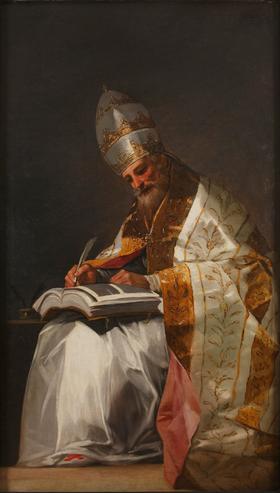
Sixth century; told c. 593A pope in a tiara and a pale cope bends over a large book, writing
Miracle

The Blessed Virgin appears to the girl Musa, Rome

Pope St. Gregory the Great Dialogues, Book 4, ch. 17 (tr. 1608, ed. E. G. Gardner, 1911)

“the Blessed Virgin asked her whether she had any mind to remain with them, and to live in her service: to whom she answered that willingly she would. Then our blessed Lady gave her in charge, not to behave herself lightly, nor to live any more like a girl, to abstain also from laughing and pastime, telling her that after thirty days she should, amongst those virgins which she then saw, be admitted to her service. After this vision, the young maid forsook all her former behaviour”

Witnesses
Musa, who told her parents; the page says her brother Probus told Gregory the account

Read it in the source: tertullian.org

See it on the timeline: Marian apparitions

597
Miracle

St. Columba of Iona, abbot

St. Adomnan of Iona Life of St. Columba, Book 1, ch. 1 (written c. 700)

“By virtue of his prayer, and in the name of our Lord Jesus Christ, he healed several persons suffering under various diseases … In the same country, also, he performed a still greater miracle, by raising to life the dead child of an humble believer, and restoring him in life and vigour to his father and mother.”

Read it in the source: Fordham Sourcebook

See it on the timeline: Saints of the age of the Fathers, 313 to 604

601A pope in a tiara and a pale cope bends over a large book, writing
Miracle

A pope's caution to a missionary who worked miracles

Pope St. Gregory the Great Letters, Book 11, Letter 28, to Augustine, Bishop of the Angli

“For I know that Almighty God has displayed great miracles through your Love in the nation which He has willed to be chosen. Wherefore you must needs rejoice with fear for this same heavenly gift, and tremble in rejoicing:— rejoice, that is, because the souls of the Angli are drawn by outward miracles to inward grace; but tremble, lest among the signs that are done the infirm mind lift itself up to presumption about itself, and from being exalted in honour outwardly, fall inwardly through vain glory.”

Read it in the source: New Advent

See it on the timeline: Great miracles

c. 605
Miracle

St. Augustine of Canterbury, bishop

St. Bede Ecclesiastical History of the English Nation, Book 2, ch. 2 (written c. 731)

“a blind man of the English race was brought, who having been presented to the priests of the Britons, found no benefit or cure from their ministry; at length, Augustine, compelled by real necessity, bowed his knees to the Father of our Lord Jesus Christ, praying that the lost sight might be restored to the blind man, and by the corporeal enlightening of one man, the light of spiritual grace might be kindled in the hearts of many of the faithful. Immediately the blind man received sight, and Augustine was by all declared the preacher of the Divine truth.”

Read it in the source: Fordham Sourcebook

See it on the timeline: Saints of the early Middle Ages, 605 to 1050

651
Miracle

St. Aidan of Lindisfarne, bishop

St. Bede Ecclesiastical History of the English Nation, Book 3, ch. 15 (written c. 731)

“He, blessing and recommending them to our Lord, at the same time gave them some holy oil, saying, "I know that when you go abroad, you will meet with a storm and contrary wind; but do you remember to cast this oil I give you into the sea, and the wind shall cease immediately; you will have pleasant calm weather, and return home safe." All which fell out as the bishop had predicted. … Which miracle was not told me by a person of little credit, but by Cynemund, a most faithful priest of our church, who declared that it was related to him by Utta, the priest”

Read it in the source: Fordham Sourcebook

See it on the timeline: Saints of the early Middle Ages, 605 to 1050

680
Miracle

St. Hilda of Whitby, abbess

St. Bede Ecclesiastical History of the English Nation, Book 4, ch. 23 (written c. 731)

“This nun, being then in the dormitory of the sisters, on a sudden heard the well known sound of a bell in the air, which used to awake and call them to prayers, when any one of them was taken out of this world, and opening her eyes, as she thought, she saw the top of the house open, and a strong light pour in from above; looking earnestly upon that light, she saw the soul of the aforesaid servant of God in that same light, attended and conducted to heaven by angels.”

Read it in the source: Fordham Sourcebook

See it on the timeline: Saints of the early Middle Ages, 605 to 1050

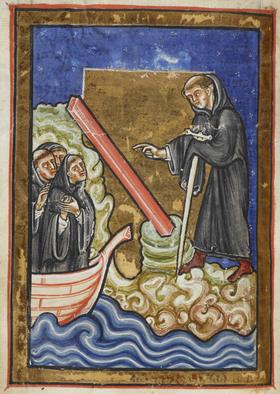
687A manuscript painting of a monk standing on a shore pointing at a wooden beam, with other monks watching from a boat
Miracle

St. Cuthbert of Lindisfarne, bishop

St. Bede Ecclesiastical History of the English Nation, Book 4, ch. 32 (written c. 731)

“NOR is that cure to be passed over in silence, which was performed by his relics three years ago, and was told me by the brother himself, on whom it was wrought. … In that monastery was a youth whose eyelid had a great swelling on it, which growing daily, threatened the loss of the eye. The surgeons applied their medicines to ripen it, but in vain. … touching his eye on a sudden, found it as sound with the lid, as if there never had been any swelling or deformity on it.”

Read it in the source: Fordham Sourcebook

See it on the timeline: Saints of the early Middle Ages, 605 to 1050

698
Miracle

The body of St. Cuthbert found incorrupt

St. Bede the Venerable Ecclesiastical History of the English Nation 4.30 (written c. 731)

“when he had been buried eleven years, Divine Providence put it into the minds of the brethren to take up his bones, expecting, as is usual with dead bodies, to find all the flesh consumed and reduced to ashes, and the rest dried up, and intending to put the same into a new coffin, and to lay them in the same place, but above the pavement, for the honour due to him. They acquainted Bishop Edbert with their design, and he consented to it, and ordered that the same should be done on the anniversary of his burial. They did so, and opening the grave, found all the body whole, as if it had been alive, and the joints pliable, more like one asleep than a dead person”

Witnesses
The monks who opened the grave with the consent of Bishop Edbert, and who reported at once to him

Read it in the source: Fordham Sourcebook

See it on the timeline: Great miracles

739
Miracle

St. Willibrord, bishop and missionary

Alcuin of York The Life of Willibrord, ch. 17 (written c. 796)

“Again, when the holy priest of God was pursuing his way in a certain place, he saw twelve poor beggars asking alms from the passers­by. Being extremely kind­hearted, he gazed on them with compassion and bade one of his companions take his own flask and give a drink to Christ's poor. All the twelve drank from it as much as they would, and the remarkable fact was that as the company went on their way they found that the flask from which so many had drunk was just as full as it was before of the most excellent wine.”

Read it in the source: Fordham Sourcebook

See it on the timeline: Saints of the early Middle Ages, 605 to 1050

8th centuryAn elderly pope in green vestments and a white and gold mitre raises his hand in greeting, holding his staff with the crucifix
Miracle

The Eucharistic miracle of Lanciano

Pope St. John Paul II Letter to Archbishop Carlo Ghidelli of Lanciano-Ortona, 4 October 2004, 2

“This is particularly true for the city of Lanciano, custodian of two Eucharistic miracles which, in addition to being very dear to the faithful of Frentania, make it the destination of many pilgrimages from Italy and the whole world. I would like to recall that when I was the Cardinal of Krakow, I myself visited the Church of St Francis in Lanciano where the relics are preserved of the famous miracle that dates back to the eighth century.”

Church ruling
John Paul II calls it a miracle in this letter to the archbishop. The letter is not a decree on the event
Where it can be seen
The Church of St Francis in Lanciano, where the relics are preserved

Read it in the source: vatican.va

See it on the timeline: Eucharistic miracles

8th century
Miracle

The Eucharistic miracle of Lanciano

Vatican News (Federico Piana) Miracoli eucaristici, faro di fede anche nei momenti di crisi, 13 June 2020

“Lanciano, in the province of Chieti, is the scene of another extraordinary Eucharistic miracle. It took place presumably between 720 and 750. Its protagonist is a Basilian monk, he too gripped by a doubt about the real presence of the Lord in the Eucharist. One day, during the celebration, the bread is transformed into a piece of flesh and the wine into blood, before his astonished eyes.”

Our translation. The words as written, in Italian:

“Lanciano, in provincia di Chieti, è il teatro di un altro, straordinario, miracolo eucaristico. Avvenuto presumibilmente tra il 720 ed il 750, vede protagonista un monaco basiliano, anch’egli attanagliato da un dubbio sulla reale presenza del Signore nell’Eucaristia. Un giorno, durante la celebrazione, il pane si trasforma in un pezzo di carne ed il vino in sangue, sotto i suoi occhi stupefatti.”

Witnesses
A Basilian monk celebrating Mass, according to the account given on the page
Where it can be seen
The Sanctuary at Lanciano, which the page says has kept the relics for almost 1300 years

Read it in the source: vaticannews.va

See it on the timeline: Eucharistic miracles

8th century
Miracle

The Eucharistic miracle of Lanciano

ZENIT news agency Physician Tells of Eucharistic Miracle of Lanciano, Rome, 5 May 2005 (EWTN library)

“At the initiative of Archbishop Pacifico Perantoni of Lanciano, and of the provincial minister of the Franciscan Conventuals of Abruzzo, and with authorization from Rome, in November 1970 the Franciscans of Lanciano decided to have the relics examined scientifically. Linoli was entrusted with the study. He was assisted by Dr. Ruggero Bertelli, retired professor of human anatomy at the University of Siena. … He presented his findings on March 4, 1971. His study confirmed that the flesh and blood were of human origin. The flesh was unequivocally cardiac tissue, and the blood was of type AB.”

Investigation
Begun in November 1970 at the initiative of Archbishop Pacifico Perantoni of Lanciano and the provincial of the Conventual Franciscans, with authorization from Rome
Scientific study
Dr. Edoardo Linoli, former head of the Laboratory of Pathological Anatomy at the Hospital of Arezzo, assisted by Dr. Ruggero Bertelli of the University of Siena. Findings presented 4 March 1971 and published in Quaderni Sclavo di Diagnostica Clinica e di Laboratori in 1971: human origin, cardiac tissue, blood type AB

Read it in the source: EWTN Library

See it on the timeline: Eucharistic miracles

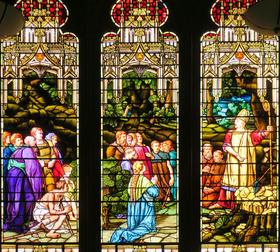
754A stained-glass window in three lights of a bishop preaching to a crowd beside a fallen tree
Miracle

St. Boniface, bishop and martyr

Willibald The Life of St. Boniface, ch. 9

“At once an astonishing miracle happened, worthy to be remembered by all those who were present and saw it. A fountain of water much clearer than any found in that country, extraordinarily sweet and pleasant to the taste, came bubbling up and flowed out through innumerable channels until it formed a considerable stream.”

Read it in the source: Fordham Sourcebook

See it on the timeline: Saints of the early Middle Ages, 605 to 1050

The Middle Ages800 to 1500
865
Miracle

St. Ansgar, bishop and missionary

St. Rimbert Life of Anskar, ch. 39 (written c. 870)

“It is impossible to count the number of those who were healed by his prayers and by his anointing. For, according to the statement made by many persons, sick people came eagerly to him, not only from his own diocese, but from a great distance, demanding from him healing medicine. He, however, preferred that this should be kept quiet rather than that it should be noised abroad.”

Read it in the source: Fordham Sourcebook

See it on the timeline: Saints of the early Middle Ages, 605 to 1050

948, by legend
Miracle

Our Lady at Einsiedeln: the vision of Bishop Conrad

Benedictine Abbey of Einsiedeln “Engelweih-Legende”, history pages of the abbey's website

“In the year 948 the monks of the young monastery asked Bishop Conrad of Constance to consecrate their new monastery church. So far the historically established facts. At this point the legend of the Angels' Consecration begins, which describes a marvellous event in fantastic images: On the night before the consecration Bishop Conrad went into the little chapel to pray. There he saw in a vision Jesus Christ coming down from heaven. He is accompanied by hosts of angels and many saints, and the Virgin Mary appears as if wrapped in light. In a solemn service Jesus Christ consecrates the chapel in honour of his mother Mary. She was to be honoured in a special way at Einsiedeln and to show people the way to her Son.”

Our translation. The words as written, in German:

“Im Jahr 948 baten die Mönche des jungen Klosters Bischof Konrad von Konstanz, ihre neue Klosterkirche feierlich zu weihen. Soweit die historisch gesicherten Fakten. An dieser Stelle setzt nun die Engelweih-Legende ein, die in fantastischen Bildern ein wundersames Ereignis beschreibt: In der Nacht vor der Weihe begab sich Bischof Konrad in die kleine Kapelle, um dort zu beten. Da sah er in einer Vision, wie Jesus Christus vom Himmel herabsteigt. Er wird begleitet von Scharen von Engeln sowie vielen Heiligen und die Jungfrau Maria erscheint wie in Licht gehüllt. In einem feierlichen Gottesdienst weiht Jesus Christus die Kapelle zu Ehren seiner Mutter Maria. Sie sollte in Einsiedeln ganz besonders verehrt werden und den Menschen den Weg zu ihrem Sohn weisen.”

Witnesses
Bishop Conrad of Constance, in a vision on the night before the consecration, according to the legend as the abbey tells it
Church ruling
None stated. The page separates the established facts from the legend

Read it in the source: kloster-einsiedeln.ch

See it on the timeline: Marian apparitions

April 1001, by traditionAn elderly pope in green vestments and a white and gold mitre raises his hand in greeting, holding his staff with the crucifix
Miracle

Madonna dell'Incoronata, Foggia, Italy

Pope St. John Paul II Address to families, Shrine of the Incoronata (Foggia), 24 May 1987, 1

“The history of this shrine is bound up, according to the accounts of tradition, with a particular spiritual presence of the Virgin. In the month of April of the year 1001 the Madonna with the Child, seated on an oak tree, appeared to a peasant and to the Count of Ariano, and presented herself to them as the "Mother of God", asking that a church be built in her honour at that place.”

Our translation. The words as written, in Italian:

“La storia di questo santuario è legata, secondo i racconti della tradizione, ad una particolare presenza spirituale della Vergine. Nel mese di aprile dell’anno 1001 la Madonna con il Bambino, seduta su una quercia, apparve ad un contadino e al Conte di Ariano, e ad essi si presentò come la “Madre di Dio”, chiedendo che in quel luogo si costruisse in suo onore una chiesa.”

Witnesses
A peasant and the Count of Ariano, according to the accounts of tradition the Pope reports
Where it can be seen
The Shrine of the Incoronata, Foggia

Read it in the source: vatican.va

See it on the timeline: Marian apparitions

1030
Miracle

St. Olaf, king of Norway and martyr

Pope St. John Paul II Homily at Trondheim, 2 June 1989

“In the Orthodox Church too, the memory of Saint Olav is greatly venerated: to his intercession was attributed the survival of the Imperial Guard of Constantinople in an hour of danger when it went into battle with Emperor Alexos against the Bulgars.”

Read it in the source: vatican.va

See it on the timeline: Saints of the early Middle Ages, 605 to 1050

1061
Miracle

Our Lady of Walsingham, England

Vatican News “England to be re-dedicated as the Dowry of Mary” (March 2020)

“The village of Walsingham in Norfolk, England, became a famous pilgrimage site after a rich widow, named Richeldis, received visions of the Virgin Mary- and the house of the Holy Family in Nazareth. Later, she built a replica of the house of Jesus, Mary and Joseph from Nazareth. The shrine was established in 1061 to serve as a perpetual reminder of the Annunciation.”

Witnesses
Richeldis, a rich widow, who received the visions according to the page
Where it can be seen
Walsingham, Norfolk; the page says the shrine was established in 1061

Read it in the source: vaticannews.va

See it on the timeline: Marian apparitions

Eleventh century, by legend
Miracle

The Mother of God and the builders of the Kyiv-Pechersk Lavra

Vatican News “Kyiv-Pechersk Lavra monastery in Ukraine: A heritage of faith and culture” (July 2026), with the historian Dmytro Hordienko

“An ancient tradition links the Cathedral of the Dormition to the special protection of the Virgin Mary. "According to legend, the Mother of God appeared to Greek master builders at the Blachernae shrine in Constantinople, telling them that she wished to establish her dwelling on the hills of Kyiv," Hordienko recounts. The Virgin herself is said to have designated the site where the monastery would be built, making it her sanctuary dedicated to the Dormition.”

Witnesses
Greek master builders at the Blachernae shrine in Constantinople, according to the legend as the historian tells it
Where it can be seen
The Cathedral of the Dormition at the Kyiv-Pechersk Lavra

Read it in the source: vaticannews.va

See it on the timeline: Marian apparitions

1212, by tradition
Miracle

Our Lady of the Rosary and St. Dominic

Vatican News Memorial of Our Lady of the Rosary (liturgical holidays, 7 October)

“The Holy Rosary originated in 1212 when Saint Dominic de Guzman saw the Virgin Mary who gave him the Rosary as a response to his prayer to understand how to combat the Albigensian heresy.”

Witnesses
Saint Dominic de Guzman, according to the page
Church ruling
None stated on the vision. The page is the Holy See's note for the memorial of Our Lady of the Rosary on 7 October

Read it in the source: vaticannews.va

See it on the timeline: Marian apparitions

Before 1216, as the Golden Legend tells it
Miracle

A monk's vision of the Virgin pleading for the world, before the Order of Preachers

Bl. Jacobus de Voragine The Golden Legend (c. 1275; Caxton's English), Life of St. Dominic

“There was a monk, before the establishment of this order, which was ravished in spirit and saw the Blessed Virgin our Lady S. Mary kneeling, with her hands joined, praying her son for the human lineage. And he oft withstood her request, and at the last he said to her that so busily required him: Mother, what may I do more for them? I have sent to them patriarchs and prophets, and little have they amended them.”

Witnesses
An unnamed monk, according to the Golden Legend
Church ruling
None stated

Read it in the source: Fordham Sourcebook

See it on the timeline: Marian apparitions

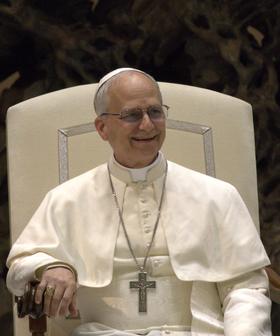
1216, by traditionA smiling pope in white sits in a white chair with his hands folded
Miracle

The vision of Jesus and Mary at the Portiuncula, St. Francis of Assisi

Pope Leo XIV Angelus, 2 August 2026

“In these days the “Pardon of Assisi” is celebrated. Saint Francis obtained this Indulgence from Pope Honorius III in 1216, having been inspired — while praying at the Porziuncola — by a vision of Jesus and Mary surrounded by angels.”

Witnesses
Saint Francis, while praying at the Porziuncola, according to the Pope
Church ruling
The Pope says Francis obtained the indulgence from Pope Honorius III in 1216

Read it in the source: vatican.va

See it on the timeline: Marian apparitions

c. 1218, as the Golden Legend tells it
Miracle

Our Lady and the dying Reynold of Orleans

Bl. Jacobus de Voragine The Golden Legend (c. 1275; Caxton's English), Life of St. Dominic

“And suddenly the queen of mercy came with three maidens, and Reynold waking, and abiding the death, saw her come to him, and our Lady said to him: Be of good cheer, require of me what thou wilt and I shall give it to thee. And as he thought what he should require, one of the maidens said to him softly that he should require nothing but to commit him all to her will. And when he had so done, then she put forth her virginal hand and touched his ears, his nostrils, mouth, hands, feet, and reins, and anointed them with the ointment of health, which she had brought with her”

Witnesses
Reynold, dean of Orleans, who saw her while sick; St. Dominic, who saw the vision in prayer, according to the Golden Legend
Church ruling
None stated

Read it in the source: Fordham Sourcebook

See it on the timeline: Marian apparitions

1218, by tradition
Miracle

Our Lady of Mercy and St. Peter Nolasco

Vatican News “Mensaje de Mons. Romero en el día de Nuestra Señora de la Merced” (September 2018)

“The Blessed Virgin appeared to Saint Peter Nolasco, in 1218, recommending that he found a religious community devoted to helping the captives who were taken to distant places. This Marian title was born in Spain and spread through the rest of the world.”

Our translation. The words as written, in Spanish:

“La Santísima Virgen se le apareció a San Pedro Nolasco, en 1218, recomendándole que fundara una comunidad religiosa que se dedicara a auxiliar a los cautivos que eran llevados a sitios lejanos. Esta advocación mariana nace en España y se difunde por el resto del mundo.”

Witnesses
Saint Peter Nolasco, according to the page
Church ruling
None stated on the apparition

Read it in the source: vaticannews.va

See it on the timeline: Marian apparitions

1221, as the Golden Legend tells it
Miracle

Jesus and his mother seen at the death of St. Dominic

Bl. Jacobus de Voragine The Golden Legend (c. 1275; Caxton's English), Life of St. Dominic

“For as he slept a light sleep, the head inclined to a wall, he saw the heaven open, and put down to the earth two white ladders, of which Jesu Christ and his mother held the end on high, and the angels descended and ascended by the ladders, singing. In the midst of the ladders there was a seat set, and upon the seat sat S. Dominic with his head covered like a friar. And Jesu Christ and his mother drew up the ladders into heaven so high, that he that sat was lifted up into heaven, and then the opening of heaven was shut and closed.”

Witnesses
A friar, the prior of the preachers of Brescia and afterward bishop of that city, according to the Golden Legend
Church ruling
None stated

Read it in the source: Fordham Sourcebook

See it on the timeline: Marian apparitions

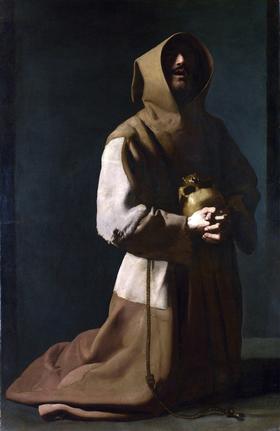
1224A friar in a patched brown habit kneels in the dark with his hood over his face, holding a skull
Miracle

The stigmata of St. Francis of Assisi

Pope Benedict XVI General Audience, 27 January 2010

“In 1224, at the hermitage in La Verna, Francis had a vision of the Crucified Lord in the form of a seraph and from that encounter received the stigmata from the Seraph Crucifix, thus becoming one with the Crucified Christ. It was a gift, therefore, that expressed his intimate identification with the Lord.”

Read it in the source: vatican.va

See it on the timeline: Great miracles

14 September 1224
Miracle

The stigmata of St. Francis of Assisi

Pope Francis Address to the Friars Minor of La Verna and of the Tuscan Province, 5 April 2024

“I am happy to meet you, in the year in which we commemorate the eighth centenary of the gift of the stigmata, which Saint Francis received in Verna on 14 September 1224, two years before his death. Thank you for bringing here the relic of his blood, which is making a long pilgrimage in various communities”

Where it can be seen
A relic of the saint's blood, which the Pope says was brought to him and is being taken on pilgrimage to various communities

Read it in the source: vatican.va

See it on the timeline: Great miracles

canonized 1228A friar with a halo bends towards a flock of birds on the ground beneath a tree, with another friar behind him
Miracle

St. Francis of Assisi, founder of the Friars Minor

Pope Benedict XVI General Audience on St. Bonaventure, 3 March 2010

“He was called Giovanni di Fidanza. An episode that occurred when he was still a boy deeply marked his life, as he himself recounts. He fell seriously ill and even his father, who was a doctor, gave up all hope of saving him from death. So his mother had recourse to the intercession of St Francis of Assisi, who had recently been canonized. And Giovanni recovered.”

Read it in the source: vatican.va

See it on the timeline: Saints of the high Middle Ages, 1050 to 1500

1228
Miracle

The Host of Alatri

Pope Gregory IX Bull Fraternitatis tuae, 1228, in the Italian translation published by the Diocese of Anagni-Alatri

“We have received your letter, dearest brother, which informed us how a certain young woman, swayed by the bad advice of a wicked woman, after receiving the most holy Body of Christ from the hands of the priest, kept it in her mouth until, seizing a favourable moment, she was able to hide it in a cloth, where, after three days, she found the same body that she had received in the form of bread transformed into flesh, as anyone can still see with his own eyes. … In the first place we must give thanks, with all our strength, to him who, while working wonderfully in all things, nevertheless on some occasions repeats miracles and raises up new prodigies”

Our translation. The words as written, in Italian:

“Abbiamo ricevuto la tua lettera, fratello carissimo, che ci informava, come una certa giovane suggestionata dal cattivo consiglio di una malefica donna, dopo aver ricevuto dalle mani del Sacerdote il Corpo santissimo di Cristo, lo trattenne nella bocca fino al momento in cui, colta l'occasione favorevole, lo poté nascondere in un panno, dove, dopo tre giorni, ritrovò lo stesso corpo che aveva ricevuto in forma di pane, trasformato in carne, come tuttora ognuno può constatare con i propri occhi. … In primo luogo dobbiamo rendere grazie, con tutte le nostre forze, a colui che pur operando in ogni cosa in modo meraviglioso, tuttavia in qualche occasione ripete i miracoli e suscita nuovi prodigi”

Investigation
Bishop John of Alatri reported the event in writing to Pope Gregory IX and asked what to do. The Pope says both women had confessed it to the bishop
Church ruling
Gregory IX answered in 1228 with the bull Fraternitatis tuae. He gives thanks to God for the event as a miracle and sets a lighter penance for the young woman
Where it can be seen
In a reliquary kept on permanent display in a chapel of the right aisle of the Co-Cathedral Basilica of St Paul, Alatri

Read it in the source: diocesianagnialatri.it

See it on the timeline: Eucharistic miracles

canonized 1232A young friar in a grey habit holds a lily and an open book on which a tiny figure of the Christ Child appears
Miracle

St. Anthony of Padua, friar and Doctor

Pope Benedict XVI General Audience, 10 February 2010

“Pope Gregory IX himself, having heard him preach, described him as the "Ark of the Testament" and subsequent to miracles brought about through his intercession canonized him in 1232, only a year after his death.”

Church ruling
Canonized by Pope Gregory IX in 1232, a year after his death, after miracles through his intercession

Read it in the source: vatican.va

See it on the timeline: Saints of the high Middle Ages, 1050 to 1500

c. 1233, by tradition
Miracle

Our Lady and the Seven Holy Founders of the Servites, Florence

Alban Butler Butler's Lives of the Saints, Concise Edition (ed. Michael Walsh), The Seven Holy Founders of the Servite Order (EWTN Library)

“All of them came to realize the call to a life of renunciation, and they determined to have recourse to our Lady in their perplexity. On the feast of the Assumption, as they were absorbed in prayer, they saw her in a vision, and were inspired by her to withdraw from the world into a solitary place and to live for God alone.”

Witnesses
The seven founders, praying together on the feast of the Assumption, according to Butler
Church ruling
None stated on the vision

Read it in the source: EWTN Library

See it on the timeline: Marian apparitions

canonized 1235A triangular gold panel of a woman in a veil gathering roses in the fold of her cloak
Miracle

St. Elizabeth of Hungary, princess and servant of the poor

Pope Benedict XVI General Audience, 20 October 2010

“The miracle of the loaves that were changed into roses fits into this context: while Elizabeth was on her way with her apron filled with bread for the poor, she met her husband who asked her what she was carrying. She opened her apron to show him and, instead of bread, it was full of magnificent roses. This symbol of charity often features in depictions of St Elizabeth.”

Church ruling
Canonized by Pope Gregory IX four years after her death; the audience says the testimonies of her holiness were many

Read it in the source: vatican.va

See it on the timeline: Saints of the high Middle Ages, 1050 to 1500

16 July 1251, by tradition
Miracle

Our Lady of Mount Carmel and the Scapular, St. Simon Stock

Vatican News Memorial of Our Lady of Mount Carmel (liturgical holidays, 16 July)

“This optional memorial of Our Lady of Mount Carmel was established to commemorate her apparition to Saint Simon Stock on 16 July 1251.”

Witnesses
Saint Simon Stock, according to the page
Church ruling
The page says the optional memorial of Our Lady of Mount Carmel was established to commemorate the apparition

Read it in the source: vaticannews.va

See it on the timeline: Marian apparitions

1251, by tradition
Miracle

Our Lady of Mount Carmel and the Scapular, St. Simon Stock

Order of Carmelites “St. Simon Stock, religious” (website of the Order's General Curia)

“The Order's tradition links the famous tale of the "vision of the Scapular" to the saint of the Order. To understand the details of this "vision"—of which nothing is known regarding place and date (although traditionally put in 1251)—it is necessary to consider that the story is presented as a literary genre common in the medieval period. The content is similar to that developed by a number of other religious orders: Our Lady told the saint that whoever died piously wearing the scapular would not go to hell. It is a theological truth "dressed up" with the typical form of medieval exempla.”

Witnesses
Saint Simon Stock, according to the Order's tradition
Investigation
The Order's page says nothing is known of the place and date of the vision, though it is traditionally put in 1251
Church ruling
None stated

Read it in the source: ocarm.org

See it on the timeline: Marian apparitions

canonized 1255A wall painting of a young woman with a halo in a pale habit and veil, holding a lily
Miracle

St. Clare of Assisi, foundress of the Poor Clares

Pope Benedict XVI General Audience, 15 September 2010

“Her faith in the Real Presence of Christ in the Eucharist was so great that twice a miracle happened. Simply by showing to them the Most Blessed Sacrament distanced the Saracen mercenaries, who were on the point of attacking the convent of San Damiano and pillaging the city of Assisi. Such episodes, like other miracles whose memory lives on, prompted Pope Alexander IV to canonize her in 1255, only two years after her death, outlining her eulogy in the Bull on the Canonization of St Clare.”

Investigation
The audience says the Pope promoted the cause a few months after her death and that its Proceedings hold the depositions of those who had lived with her
Church ruling
Canonized by Pope Alexander IV in 1255, two years after her death

Read it in the source: vatican.va

See it on the timeline: Saints of the high Middle Ages, 1050 to 1500

1263A wall painting around a doorway: a priest at an altar holds up the Host while a kneeling pope and a crowd look on
Miracle

The Eucharistic miracle of Bolsena

Pope Benedict XVI General Audience, 17 November 2010

“Indeed, he ordered that the famous Corporal with the traces of the Eucharistic miracle which had occurred in Bolsena the previous year, 1263, be kept in Orvieto Cathedral — where it still is today. While a priest was consecrating the bread and the wine he was overcome by strong doubts about the Real Presence of the Body and Blood of Christ in the sacrament of the Eucharist. A few drops of blood began miraculously to ooze from the consecrated Host, thereby confirming what our faith professes.”

Witnesses
The priest who was celebrating the Mass
Church ruling
Pope Urban IV ordered the Corporal to be kept in Orvieto Cathedral
Where it can be seen
Orvieto Cathedral, where Benedict XVI says the Corporal still is today

Read it in the source: vatican.va

See it on the timeline: Eucharistic miracles

1263
Miracle

The Eucharistic miracle of Bolsena

Pope St. Paul VI Angelus, 8 August 1976

“Bolsena is famous for its miracle, which took place in 1263, when a Bohemian priest, a pilgrim passing through, celebrating Holy Mass on the altar of the martyr who is still so honoured at Bolsena, and tormented by doubt about the real presence of Jesus Christ in the Eucharist, that is, about the "transubstantiation" of the bread and wine into the Body and Blood of the Lord, sees that the Blood wets the small cloth, called the Corporal, on which the holy rite of the Eucharistic sacrifice is carried out. Wonder and amazement among those present. At once the sacred Corporal, stained with the divine Blood, was carried to nearby Orvieto, where the Pope then resided, our distant predecessor Urban IV (1261-1264), who, having verified the prodigy, instituted the feast of Corpus Christi”

Our translation. The words as written, in Italian:

“Bolsena è celebre per il suo miracolo, avvenuto nel 1263, quando un Sacerdote boemo pellegrino di passaggio, celebrando la S. Messa sull’altare della martire, ancora tanto onorata a Bolsena, tormentato dal dubbio circa la reale presenza di Gesù Cristo nell’Eucaristia, cioè circa la «transustanziazione» del pane e del vino nel Corpo e nel Sangue del Signore, vede che il Sangue bagna la piccola tovaglia, detta Corporale, sulla quale è compiuto il santo rito del sacrificio eucaristico. Meraviglia e stupore dei presenti. Subito il sacro Corporale, macchiato dal Sangue divino, fu portato alla vicina Orvieto, dove allora risiedeva il Papa, nostro lontano predecessore, Urbano IV (1261-1264), il quale, verificato il prodigio, istituì la festa del « Corpus Domini »”

Witnesses
A Bohemian priest on pilgrimage, and those present at his Mass
Investigation
Paul VI says Pope Urban IV verified the prodigy at Orvieto
Church ruling
Urban IV instituted the feast of Corpus Christi. On 8 August 1976 Paul VI gave the church of the miracle at Bolsena the title of minor basilica
Where it can be seen
Orvieto kept the Corporal of the miracle

Read it in the source: vatican.va

See it on the timeline: Eucharistic miracles
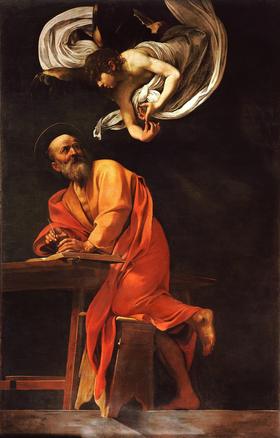
1263
Miracle

The Eucharistic miracle of Bolsena

Pope St. John Paul II Homily for Corpus Christi, Orvieto Cathedral, 17 June 1990, 3

“Even though its construction is not directly connected with the solemnity of Corpus Christi, instituted by Pope Urban IV with the bull Transiturus in 1264, nor with the miracle that took place at Bolsena the year before, it is nonetheless beyond doubt that the Eucharistic mystery is powerfully evoked here by the corporal of Bolsena, for which the chapel that now jealously guards it was specially built. Since then the city of Orvieto has been known throughout the world for this miraculous sign, which reminds everyone of the merciful love of God, who made himself the food and drink of salvation for humanity on pilgrimage on earth.”

Our translation. The words as written, in Italian:

“Anche se la sua costruzione non è collegata direttamente alla solennità del “Corpus Domini”, istituita dal Papa Urbano IV con la bolla Transiturus, nel 1264, né al miracolo avvenuto a Bolsena l’anno precedente, è però indubbio che il mistero eucaristico è qui potentemente evocato dal corporale di Bolsena, per il quale venne appositamente fabbricata la cappella, che ora lo custodisce gelosamente. La città di Orvieto è da allora conosciuta nel mondo intero per tale segno miracoloso, che a tutti ricorda l’amore misericordioso di Dio, fattosi cibo e bevanda di salvezza per l’umanità pellegrina sulla terra.”

Church ruling
Urban IV instituted the solemnity of Corpus Christi with the bull Transiturus in 1264, the year after the miracle
Where it can be seen
The chapel of Orvieto Cathedral built to hold the corporal of Bolsena

Read it in the source: vatican.va

See it on the timeline: Eucharistic miracles
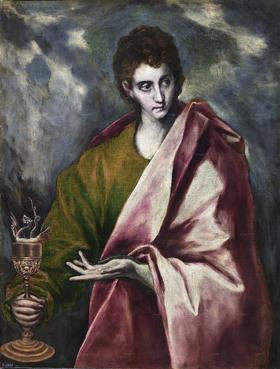
1263
Miracle

The Eucharistic miracle of Bolsena

Vatican News (Federico Piana) Miracoli eucaristici, faro di fede anche nei momenti di crisi, 13 June 2020

“The Basilica of St Christina at Bolsena, a small town in upper Lazio, is the extraordinary place where, in far-off 1263, a priest who doubted the real presence of the Lord in the consecrated host and wine saw the Eucharist bleed during the celebration of Mass. The place, which has become the sanctuary of the Eucharistic miracle, is usually the goal of many pilgrimages from every part of the world”

Our translation. The words as written, in Italian:

“La Basilica di Santa Cristina a Bolsena - cittadina dell’Alto Lazio- è lo straordinario luogo nel quale, nel lontano 1263, un sacerdote, dubbioso della reale presenza del Signore nell’ostia e nel vino consacrati, vide l’Eucaristia sanguinare durante la celebrazione della messa. Il luogo, divenuto santuario del miracolo eucaristico, è solitamente meta di copiosi pellegrinaggi da ogni parte del mondo”

Where it can be seen
The place of the event is the Basilica of St Christina at Bolsena, now the sanctuary of the miracle

Read it in the source: vaticannews.va

See it on the timeline: Eucharistic miracles
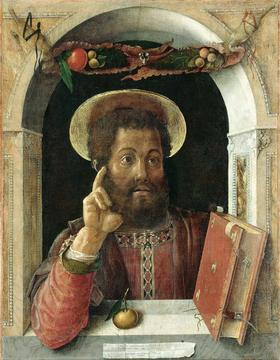
c. 1273A Dominican friar with a tonsure and a gold halo holds an open book and a small church, with a shining sun on his chest
Miracle

St. Thomas Aquinas on flesh or blood seen in the Host

St. Thomas Aquinas Summa Theologiae III, q. 76, a. 8, I answer that

“Such apparition comes about in two ways, when occasionally in this sacrament flesh, or blood, or a child, is seen. Sometimes it happens on the part of the beholders, whose eyes are so affected as if they outwardly saw flesh, or blood, or a child, while no change takes place in the sacrament. … But it sometimes happens that such apparition comes about not merely by a change wrought in the beholders, but by an appearance which really exists outwardly. And this indeed is seen to happen when it is beheld by everyone under such an appearance, and it remains so not for an hour, but for a considerable time”

Read it in the source: New Advent

See it on the timeline: Eucharistic miracles
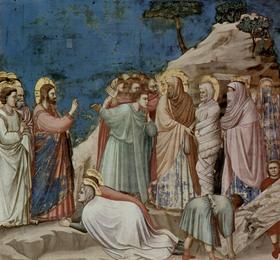
Late thirteenth century
Miracle

Our Lady places the Child Jesus in the arms of Brother Conrad of Offida

The Little Flowers of St. Francis The Little Flowers of St. Francis, ch. 42

“Having finished his prayer, the Virgin Mary obtained his request; and, behold! the Queen of Heaven appeared in great splendour, with her Blessed Son in her arms, and approaching Brother Conrad placed the Holy Child in his arms. He received him most reverently, and embracing him clasped him to his breast, his heart overflowing and burning with divine love and inexpressible consolation.”

Witnesses
Brother Conrad of Offida, and Brother Peter, who saw it from a distance, according to the text
Church ruling
None stated

Read it in the source: CCEL

See it on the timeline: Marian apparitions

1330The white stone front of a church with two small towers under a deep blue sky
Miracle

The Eucharistic miracle of Cascia

Monastery of St. Rita, Cascia Il Beato Simone Fidati e il Miracolo eucaristico

“The Eucharistic miracle of Cascia took place in 1330, at Siena. In that year a priest, called to attend a dying peasant, put the consecrated host in the parchment of his breviary. After hearing the sick man's confession, he opened the book and saw that the host was giving out blood and had stuck to the page. The priest said he would come back later and went to speak with Brother Simon of Cascia, who was preaching in the city. … Brother Simon, with the priest's consent, took away with him the two bloodstained pages with the liquefied host.”

Our translation. The words as written, in Italian:

“Il miracolo eucaristico di Cascia è avvenuto nel 1330, a Siena. In quell’anno, un sacerdote, chiamato ad assistere un contadino moribondo, mise l’ostia consacrata nella pergamena del suo breviario. Dopo aver confessato il malato, aprì il libro e vide che l’ostia emanava sangue e si era attaccata alla carta. Il sacerdote disse che sarebbe tornato più tardi e andò a parlare con Fra Simone da Cascia, che stava predicando in città. … Fra Simone, con il consenso del sacerdote, portò con sé le due pagine insanguinate con l’ostia liquefatta.”

Witnesses
The priest, who brought the matter to Blessed Simon Fidati of Cascia, an Augustinian then preaching in Siena
Where it can be seen
The Lower Basilica of St. Rita at Cascia, where the page says the relic is venerated. The page says Blessed Simon left the other parchment at the convent of Perugia

Read it in the source: santaritadacascia.org

See it on the timeline: Eucharistic miracles
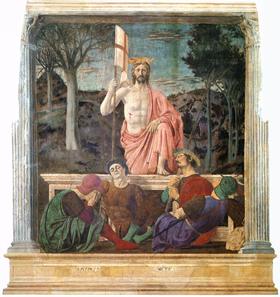
1345An old coloured woodcut of a room with a fire in the hearth and figures kneeling, with lines of Dutch text beneath
Miracle

The Miracle of Amsterdam

Pope Francis Address to pilgrims from Amsterdam, 4 May 2024

“The founding and growth of Amsterdam are linked to our faith and the Catholic Church. A key moment in the city’s history is the Eucharistic miracle that took place in 1345 and is still commemorated today by a silent procession and adoration of the Blessed Sacrament.”

Church ruling
Pope Francis speaks of it as a Eucharistic miracle in this address. He cites no decree

Read it in the source: vatican.va

See it on the timeline: Eucharistic miracles
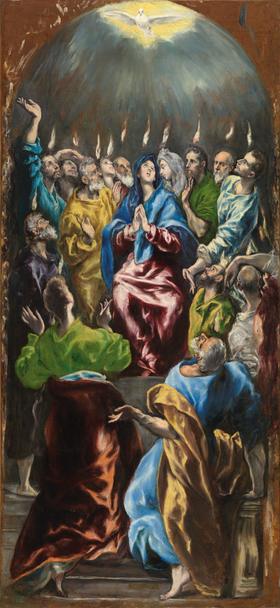
Before 1373A white-haired pope in a white cassock and skullcap, smiling
Miracle

The revelations of St. Bridget of Sweden

Pope Benedict XVI General Audience, 27 October 2010 (quoting John Paul II, Spes Aedificandi, 5)

“At times the revelations are presented in the form of dialogues between the divine Persons, the Virgin, the Saints and even demons; they are dialogues in which Bridget also takes part. At other times, instead, a specific vision is described; and in yet others what the Virgin Mary reveals to her concerning the life and mysteries of the Son. The value of St Bridget's Revelations, sometimes the object of criticism Venerable John Paul II explained in his Letter Spes Aedificandi: “The Church, which recognized Bridget's holiness without ever pronouncing on her individual revelations, has accepted the overall authenticity of her interior experience” (n. 5).”

Witnesses
Bridget herself
Church ruling
As John Paul II is quoted on this page: the Church recognized Bridget's holiness without ever pronouncing on her individual revelations

Read it in the source: vatican.va

See it on the timeline: Marian apparitions

1373
Miracle

Julian of Norwich sees Our Lady in her showings

Julian of Norwich Revelations of Divine Love, First Revelation, ch. 4 (tr. Grace Warrack)

“In this [Shewing] He brought our blessed Lady to my understanding. I saw her ghostly, in bodily likeness: a simple maid and a meek, young of age and little waxen above a child, in the stature that she was when she conceived. Also God shewed in part the wisdom and the truth of her soul: wherein I understood the reverent beholding in which she beheld her God and Maker, marvelling with great reverence that He would be born of her that was a simple creature of His making.”

Witnesses
Julian herself, describing the first of her showings

Read it in the source: CCEL

See it on the timeline: Marian apparitions

7 March 1426 and 1 August 1428
Miracle

Our Lady of Monte Berico, Vicenza, Italy

Sanctuary of Monte Berico Santuario, Origini (sanctuary website)

“The shrine of Santa Maria di Monte Berico arose from two Marian apparitions, on 7 March 1426 and 1 August 1428, on the hill south of the city of Vicenza, at that time planted with vineyards and orchards but without religious or civil settlements. The Madonna appeared to an elderly woman of humble origins: Vincenza Pasini (c. 1356 – 1431). She gave this witness a message of hope, at a time when the whole territory of Vicenza had for more than twenty years been struck by repeated waves of plague. To find again the light of hope, she asked the city, through donna Vincenza, as the seer was called for centuries, to commit itself to building a church dedicated to her on the place of the apparitions. The first stone was laid by Bishop Pietro Emiliani on 25 August 1428.”

Our translation. The words as written, in Italian:

“santuario di Santa Maria di Monte Berico nasce in seguito a due apparizioni mariane, avvenute il 7 marzo 1426 e il 1° agosto 1428, sul colle a sud della città di Vicenza, a quel tempo coltivato con vigne e frutteti, ma privo di insediamenti religiosi e civili. La Madonna apparve a una donna anziana e di umili origini: Vincenza Pasini (1356 ca. – 1431). Consegnò a questa testimone un messaggio di speranza, in un momento storico in cui tutto il territorio vicentino, per più di un ventennio, veniva flagellato da ondate continue della peste. Per ritrovare la luce della speranza, chiese alla città tramite donna Vicenza – come veniva chiamata per secoli la veggente – di impegnarsi nella costruzione di una chiesa a lei dedicata nel luogo delle apparizioni. La prima pietra venne posta dal vescovo Pietro Emiliani il 25 agosto 1428.”

Witnesses
Vincenza Pasini, an elderly woman of humble origins, according to the shrine
Where it can be seen
The Sanctuary of Santa Maria di Monte Berico, Vicenza

Read it in the source: monteberico.it

See it on the timeline: Marian apparitions

1428An elderly pope in green vestments and a white and gold mitre raises his hand in greeting, holding his staff with the crucifix
Miracle

Our Lady of Monte Berico, Vicenza, Italy

Pope St. John Paul II Address at the end of the Rosary, Monte Berico, 7 September 1991, 1

“I know that the Holy Mother of God has been honoured on this blessed Hill since that distant year 1428, when the Bishop of Vicenza recognized the authenticity of the message that Mary had addressed to a humble woman of the place, Vincenza Pasini. The Virgin called the people of the baptized to conversion and to a renewal of a higher commitment of Christian life.”

Our translation. The words as written, in Italian:

“So che la Santa Madre di Dio è onorata su questo Colle benedetto da quel lontano 1428, quando il Vescovo di Vicenza riconobbe l’autenticità del messaggio che Maria aveva rivolto ad un’umile donna del luogo, Vincenza Pasini. La Vergine richiamava il popolo dei battezzati alla conversione e alla ripresa di un più alto impegno di vita cristiana.”

Witnesses
Vincenza Pasini, a humble woman of the place, according to the Pope
Church ruling
In 1428 the Bishop of Vicenza recognized the authenticity of the message, according to the Pope

Read it in the source: vatican.va

See it on the timeline: Marian apparitions

26 May 1432
Miracle

Our Lady of Caravaggio, Italy

Pope St. John Paul II Address to the people of Caravaggio, 19 June 1992, 3

“To Giovannetta, a young wife busy gathering grass in the Mazzolengo meadow, "adorning her work with prayers and tears", Mary appeared as a "regal and gentle Lady". It was 26 May 1432. From that day the Shrine of "Our Lady of the Sacred Fountain" has entered the heart of the Lombards.”

Our translation. The words as written, in Italian:

“A Giovannetta, giovane sposa intenta a raccogliere erba sul prato Mazzolengo “ingemmando il suo lavoro di preghiere e di lacrime”, Maria apparve come “regale e soave Signora”. Era il 26 maggio 1432. Da quel giorno, il Santuario di “Nostra Signora del Sacro Fonte” è entrato nel cuore dei lombardi.”

Witnesses
Giovannetta, a young wife gathering grass in the Mazzolengo meadow, according to the Pope
Where it can be seen
The Shrine of Our Lady of the Sacred Fountain, Caravaggio

Read it in the source: vatican.va

See it on the timeline: Marian apparitions

6 June 1453
Miracle

The Miracle of Turin

Archdiocese of Turin Memoria del «Miracolo di Torino» alla Basilica del Corpus Domini, Brevi cenni storici (June 2025)

“The stolen objects had been loaded on a mule which, according to the account, stopped in front of the church of San Silvestro, refusing to go on and sinking to the ground. The host, which came out of the baskets loaded on the mule, did not fall to the ground but, according to the testimonies, is said to have remained suspended in the air for a long time, until the bishop arrived, and to have come down again at the Gospel invocation "Lord, stay with us!". The basilica of Corpus Domini was built on the place where the miracle happened.”

Our translation. The words as written, in Italian:

“Gli oggetti trafugati erano stati caricati su un mulo che, secondo il racconto, si fermò davanti alla chiesa di San Silvestro, rifiutandosi di proseguire e accasciandosi al suolo. L’ostia, fuoriuscita dalle ceste caricate sul mulo, non cadde a terra ma, secondo e testimonianze, sarebbe rimasta sospesa in aria per lungo tempo, fino all’arrivo del vescovo, e sarebbe ridiscesa all’invocazione evangelica “Signore, resta con noi!”. Sul luogo dove avvenne il miracolo fu eretta la basilica del Corpus Domini.”

Witnesses
The page speaks of testimonies and of the bishop, who came to the place. It names no witness
Church ruling
The Archdiocese of Turin keeps the memorial of the Eucharistic miracle of Turin on 6 June
Where it can be seen
The Basilica of Corpus Domini in Turin stands on the place of the event

Read it in the source: diocesi.torino.it

See it on the timeline: Eucharistic miracles
29 August 1490An elderly pope in green vestments and a white and gold mitre raises his hand in greeting, holding his staff with the crucifix
Miracle

Our Lady of the Guard, Genoa, Italy

Pope St. John Paul II Address at the Shrine of Nostra Signora della Guardia, 22 September 1985

“Here she appeared to the humble and privileged Benedetto Pareto on that distant 29 August 1490 and asked him to build a chapel in her honour. And she appeared to him again afterwards and made him the object of a miraculous healing, so that the devout seer might overcome the difficulties he first met and the authenticity of the apparition might thus be attested.”

Our translation. The words as written, in Italian:

“Qui apparve all’umile e privilegiato Benedetto Pareto nel lontano 29 agosto 1490 e gli domandò di erigere in suo onore una cappella. E gli riapparve successivamente e lo fece oggetto di una guarigione miracolosa affinché il pio veggente potesse superare le difficoltà inizialmente incontrate e fosse così attestata l’autenticità dell’apparizione.”

Witnesses
Benedetto Pareto, according to the Pope
Where it can be seen
The Shrine of Nostra Signora della Guardia, where the Pope spoke

Read it in the source: vatican.va

See it on the timeline: Marian apparitions

1490A white-haired pope in a white cassock and skullcap, smiling
Miracle

Our Lady of the Guard, Genoa, Italy

Pope Benedict XVI Angelus, Genoa, 18 May 2008

“Tradition tells that to Benedetto Pareto, anxious because he did not know how to answer the invitation to build a church in a place so far from the city, the Madonna, in her first apparition, said: "Trust in me! You will not lack the means. With my help everything will be easy for you. Only keep your will firm."”

Our translation. The words as written, in Italian:

“La tradizione narra che a Benedetto Pareto, inquieto perché non sapeva come rispondere all’invito di costruire una chiesa in quel luogo tanto remoto dalla città, la Madonna, nella sua prima apparizione, disse: "Confida in me! I mezzi non ti mancheranno. Con il mio aiuto tutto ti sarà facile. Mantieni solo ferma la tua volontà".”

Witnesses
Benedetto Pareto, as tradition tells it, according to the Pope

Read it in the source: vatican.va

See it on the timeline: Marian apparitions

3 May 1491
Miracle

Our Lady of the Three Ears of Wheat (Trois-Épis), Alsace, France

Diocese of Strasbourg “3 mai 2021 : 530 ans de l'apparition de Notre-Dame aux Trois-Épis” (diocesan website, 2021)

“On 3 May 1491, Thierry Schoéré, a blacksmith on his way to the market of Niedermorschwihr, sees an apparition of the Virgin Mary holding in her right hand three ears of wheat on a single stalk and in the other a piece of ice. Two versions exist of the account of her words. Both urge the inhabitants to choose a virtuous life, to pray and to flee sin, an attitude rewarded by a promise of abundant harvests, well-being and happiness in their homes, symbolised by the ears of wheat.”

Our translation. The words as written, in French:

“Le 3 mai 1491, Thierry Schoéré, un forgeron, qui se rend au marché de Niedermorschwihr voit une apparition de la Vierge Marie tenant dans sa main droite trois épis de blé sur une seule tige et dans l’autre, un glaçon. Deux versions existent du récit de ses propos. Toutes deux incitent les habitants à choisir une vie vertueuse, à prier et à fuir le péché, attitude récompensée par une promesse de récoltes abondantes, de bien-être et de bonheur dans les foyers, symbolisée par les épis de blé.”

Witnesses
Thierry Schoéré, a blacksmith, according to the diocese
Where it can be seen
The shrine of Trois-Épis, Alsace; the page says a wooden chapel was built in 1493

Read it in the source: alsace.catholique.fr

See it on the timeline: Marian apparitions

10 October 1492
Miracle

Our Lady of Gallivaggio, Italy

Diocese of Como Santuari diocesani, Gallivaggio – Apparizione di Maria Vergine (Diocese of Como shrines website)

“The present church is the third to be built on the place where the Madonna appeared to two girls from Lirone and Vhò while they were gathering chestnuts, on Wednesday 10 October 1492. The Virgin showed herself in an extraordinary light and entrusted to the two girls her message of warning, of hope and of a call to a renewed and genuine Christian life, inviting them to prayer and penance to obtain mercy from God. Immediately after the apparition a wooden chapel was built, later replaced by another in masonry.”

Our translation. The words as written, in Italian:

“L’attuale chiesa è la terza ad essere costruita, sul luogo dove a due ragazze di Lirone e Vhò, mentre raccoglievano castagne, apparve la Madonna, il mercoledì 10 ottobre 1492. La Vergine si mostrò in una luce straordinaria e affidò alle due ragazze il suo messaggio di avvertimento, di speranza e di richiamo a una vita cristiana rinnovata e autentica, invitando alla preghiera e alla penitenza per ottenere da Dio misericordia. Subito dopo l’apparizione fu costruita una cappella in legno, poi sostituita da un’altra in muratura.”

Witnesses
Two girls from Lirone and Vhò, gathering chestnuts, according to the diocese
Where it can be seen
The shrine at Gallivaggio

Read it in the source: santuari.diocesidicomo.it

See it on the timeline: Marian apparitions

29 September 1504
Miracle

Our Lady of Tirano, Italy

Diocese of Como Santuari diocesani, Tirano – Madonna di Tirano (Diocese of Como shrines website)

“The Sanctuary of Tirano stands exactly at the spot where, on 29 September 1504, the feast of St. Michael, the Virgin Mary appeared to Blessed Mario Homodei, greeting him with the words: "Bene avrai" and expressly asking for a temple to be built in her honour, with the promise of spiritual and bodily health to whoever would invoke her. … For on 10 October 1504, eleven days after the event, Guglielmo Cittadini, vicar of the Bishop of Como, Cardinal Antonio Trivulzio, authorized, with permission to celebrate Mass, the building of a basilicam seu ecclesiam in honour of the Virgin, on the place of the Apparition, where a chapel had already been raised with frantic zeal.”

Our translation. The words as written, in Italian:

“Il Santuario di Tirano sorge proprio nel punto dove, il 29 settembre 1504, festa di S. Michele, la Vergine Maria apparve al beato Mario Homodei, salutandolo con le parole: “Bene avrai” e chiedendo espressamente la costruzione di un tempio in suo onore con la promessa di salute spirituale e corporale a chi l’avesse invocata. … Infatti il 10 ottobre 1504, undici giorni dopo l’evento, Guglielmo Cittadini, vicario del vescovo di Como, cardinale Antonio Trivulzio, autorizzava, con il permesso di celebrare la messa, la costruzione di una basilicam seu ecclesiam in onore della Vergine, sul luogo dell’Apparizione, dove già era stata eretta con frenetico zelo una cappella.”

Witnesses
Blessed Mario Homodei, according to the Diocese of Como's page
Church ruling
On 10 October 1504 the vicar of the Bishop of Como authorized the building of a church at the place of the apparition, according to the same page

Read it in the source: santuari.diocesidicomo.it

See it on the timeline: Marian apparitions

9 March 1510
Miracle

Our Lady of Miracles, Motta di Livenza, Italy

Sanctuary-Basilica of the Madonna dei Miracoli, Motta di Livenza L'Apparizione (sanctuary website)

“9 March 1510 is the unforgettable day on which the Mother of God deigned to visit the fortunate land of Motta di Livenza, consecrating it with her merciful APPARITION. The privileged creature to whom the Virgin Mary showed herself was a devout old man, Giovanni Cigana, who for 20 years had recited the Holy Rosary every day and gladly knelt before a wayside shrine of the Madonna, set at the crossroads for Motta, Oderzo and Redigole.”

Our translation. The words as written, in Italian:

“Il 9 Marzo 1510 è il giorno indimenticabile in cui la Madre di Dio si degnò di visitare la fortunata terra di Motta di Livenza, consacrandola con la Sua misericordiosa APPARIZIONE. La creatura privilegiata alla quale si manifestò la Vergine Maria era un pio vecchietto, Giovanni Cigana, che da 20 anni recitava ogni giorno il S. Rosario e si inginocchiava volentieri davanti a un «Capitello» della Madonna, posto all’incrocio delle strade per Motta, Oderzo e Redigole.”

Witnesses
Giovanni Cigana, a devout old man, according to the shrine
Where it can be seen
The Sanctuary-Basilica of the Madonna dei Miracoli, Motta di Livenza

Read it in the source: santuariomotta.it

See it on the timeline: Marian apparitions

1515
Miracle

Our Lady of Garaison, France

Diocese of Tarbes and Lourdes Notre Dame de Garaison, Un peu d'histoire (diocesan website)

“In the year 1515, at the time when the hawthorn is in flower, the Virgin Mary, "mother of Jesus Christ, our Redeemer", appears three times to a young girl, Anglèze de Sagazan. 25 years later the shrine is built and grows…”

Our translation. The words as written, in French:

“En l’année 1515, au temps où l’aubépine est en fleur, la Vierge Marie « mère de Jésus Christ, notre Rédempteur » apparaît par trois fois à une jeune fille, Anglèze de Sagazan. 25 ans après le sanctuaire est construit et prend de l’ampleur…”

Witnesses
Anglèze de Sagazan, a young girl, according to the diocese

Read it in the source: catholique65.fr

See it on the timeline: Marian apparitions

Christmas, after his ordination in 1516
Miracle

Our Lady places the Child in the arms of St. Cajetan, St. Mary Major, Rome

St. Cajetan of Thiene Letter to Sister Laura Mignani, as given by Vatican News, Santo del giorno, 7 August

“On 30 September 1516 he was ordained a priest, though it was not his express wish, celebrating his first Mass only at Christmas, in St. Mary Major. In a letter to Sister Laura Mignani, to whom he was bound by spiritual friendship, he wrote: "During the Eucharistic celebration the Virgin appeared to me, and she laid her Child in my arms."”

Our translation. The words as written, in Italian:

“Il 30 settembre 1516 venne ordinato sacerdote, anche se non era un suo espresso desiderio, celebrando la sua prima Messa solo a Natale, in Santa Maria Maggiore. In una lettera a suor Laura Mignani, a cui era legato da amicizia spirituale, scrisse: “Durante la celebrazione eucaristica mi apparve la Vergine, la quale depose tra le mia braccia il suo Bambino”.”

Witnesses
Cajetan himself, in a letter to Sister Laura Mignani, as the page reports it
Where it can be seen
The Basilica of St. Mary Major, Rome, where he celebrated his first Mass, according to the page

Read it in the source: vaticannews.va

See it on the timeline: Marian apparitions

c. 1521, during his recovery at LoyolaA balding priest in a red and gold chasuble looks up into light, his hand on an open book
Miracle

St. Ignatius of Loyola sees Our Lady with the Child Jesus

St. Ignatius of Loyola Autobiography, ch. 1 (ed. J. F. X. O'Conor)

“While watching one night he plainly saw the image of the Blessed Mother of God with the Infant Jesus, at the sight of which, for a considerable time, he received abundant consolation, and felt such contrition for his past life that he thought of nothing else.”

Witnesses
Ignatius himself, whose account is told in the third person

Read it in the source: CCEL

See it on the timeline: Marian apparitions

1531The Virgin Mary in a rose robe and a blue-green mantle covered with stars, her hands joined, surrounded by rays of light and standing on a crescent moon
Miracle

Our Lady of Guadalupe, Mexico

Pope St. John Paul II Homily at the canonization of Juan Diego Cuauhtlatoatzin, Mexico City, 31 July 2002, 3

“It is moving to read the accounts of Guadalupe, sensitively written and steeped in tenderness. In them the Virgin Mary, the handmaid "who glorified the Lord" (Lk 1:46), reveals herself to Juan Diego as the Mother of the true God. As a sign, she gives him precious roses, and as he shows them to the Bishop, he discovers the blessed image of Our Lady imprinted on his tilma.”

Witnesses
Juan Diego, according to the accounts the Pope cites
Church ruling
John Paul II canonized Juan Diego at the Basilica of Our Lady of Guadalupe on 31 July 2002

Read it in the source: vatican.va

See it on the timeline: Marian apparitions

1531
Miracle

Our Lady of Guadalupe, Mexico

Pope St. John Paul II Apostolic Exhortation Ecclesia in America, 11 (22 January 1999)

“The appearance of Mary to the native Juan Diego on the hill of Tepeyac in 1531 had a decisive effect on evangelization. Its influence greatly overflows the boundaries of Mexico, spreading to the whole Continent.”

Witnesses
Juan Diego, on the hill of Tepeyac, in 1531

Read it in the source: vatican.va

See it on the timeline: Marian apparitions

18 March 1536A white-haired pope in a white cassock and skullcap, smiling
Miracle

Our Lady of Mercy, Savona, Italy

Pope Benedict XVI Homily at Mass in Savona, 17 May 2008

“Dear friends, how can I fail to rejoice with you here in Savona for the fact that this is the very Name with which the Virgin Mary introduced herself, appearing on 18 March 1536 to a peasant, a son of this land? "Our Lady of Mercy" is the title by which she is venerated”

Witnesses
A peasant of Savona, unnamed on this page

Read it in the source: vatican.va

See it on the timeline: Marian apparitions

16th century
Miracle

Our Lady of Good Health, Vailankanni, India

Dicastery for the Doctrine of the Faith Letter to the Bishop of Thanjavur, The love of Mary at Vailankanni, 1 August 2024

“The feast of the Sanctuary of Our Lady of Good Health in Vailankanni, a devotion dating back to the 16 century, is approaching. There are beautiful traditions ascribed to the encounters that the Virgin had with poor and sick boys at this place of worship. … The first account, which is ancient, is filled with rich symbolism because the boy to whom Mary showed herself offered her the milk he had brought with him for the Child she was carrying in her arms.”

Witnesses
A boy, in the first account, which the letter calls ancient; the letter gives no names
Church ruling
None stated. The letter is signed by the Prefect of the Dicastery and passes on the Pope's appreciation and blessing for the September celebrations
Where it can be seen
Sanctuary of Our Lady of Good Health in Vailankanni, India

Read it in the source: vatican.va

See it on the timeline: Marian apparitions

canonized 1608
Miracle

St. Frances of Rome, wife, mother and foundress

Dicastery for the Causes of Saints Profile of St. Frances of Rome, biography

“When for example her father-in-law, exasperated by the continual "withdrawals" in favour of the beggars, takes the keys of the storerooms from her and empties the family granary, a few days later, where only the chaff had been left, there are again hundredweights of excellent wheat. And no one had bought it back.”

Our translation. The words as written, in Italian:

“Quando per esempio il suocero, esasperato dai continui “prelievi” a favore dei mendicanti, le toglie le chiavi delle dispense e svuota il granaio di famiglia, qualche giorno dopo lì dov’era rimasta solo la pula ci sono di nuovo quintali di ottimo frumento. E nessuno lo aveva ricomprato.”

Church ruling
Canonized by Pope Paul V on 29 May 1608

Read it in the source: Dicastery for the Causes of Saints

See it on the timeline: Saints of the high Middle Ages, 1050 to 1500

1608A white-haired pope in a white cassock and skullcap, smiling
Miracle

Our Lady of Šiluva, Lithuania

Pope Benedict XVI Letter to Cardinal Joachim Meisner, Special Envoy to Šiluva, 3 July 2008

“The four-hundredth year is now approaching since the time when the Mother of God is said to have appeared at Šiluva in Lithuania. … In the year 1608 the Mother of God herself is said to have appeared to some shepherds.”

Our translation. The words as written, in Latin:

“Quadringentesimus iam appetit annus ex quo tempore Dei Mater Šiluvae in Lituania apparuisse perhibetur. … Anno autem MDCVIII ipsa Deipara quibusdam pastoribus apparuisse fertur”

Witnesses
Some shepherds, according to the letter
Church ruling
None stated. The Pope names Cardinal Meisner his envoy to the celebration of the 400th anniversary

Read it in the source: vatican.va

See it on the timeline: Marian apparitions

1608
Miracle

The miracle of Faverney

Cardinal André Vingt-Trois, Archbishop of Paris Homily for the fourth centenary of the miracle of Faverney, Faverney, 25 May 2008

“the business of the monstrance rising above the flames, if it had taken place only in front of a few rather sleepy monks, one could have said afterwards that it was a fine hoax; but since there were thousands of witnesses, who were not all asleep, and some of whom were even fasting, then unless one is badly informed one cannot say that it is a hoax. Too many people saw it. It is not a hoax, it is a prodigy.”

Our translation. The words as written, in French:

“le « coup » de l’ostensoir qui monte au-dessus des flammes, s’il s’était déroulé seulement devant quelques moines un peu endormis, on aurait pu dire ensuite que c’était une belle supercherie, mais comme il y a eu des milliers de témoins, qui n’étaient pas tous endormis, et dont certains même étaient à jeun, à moins d’être mal renseigné, on ne peut pas dire qu’il s’agit d’une supercherie. Trop de gens ont vu. Ce n’est pas une supercherie, c’est un prodige.”

Witnesses
Thousands, according to the homily and the introduction on the page
Investigation
None is described on this page

Read it in the source: dioceseparis.fr

See it on the timeline: Eucharistic miracles
canonized 1622A bearded priest in black looks up to heaven with a pilgrim's staff, a flame at his breast
Miracle

St. Francis Xavier, missionary in Asia

Pope Pius XI Apostolic Letter Meditantibus Nobis, on the third centenary of the canonization of Ignatius of Loyola and Francis Xavier, as given in the Dicastery's profile of St. Francis Xavier

“Indeed, if Francis undertook such long journeys by land and sea again and again; if he was the first to carry the name of Jesus into Japan, which may rightly be called the island of Martyrs; if he faced immense dangers and bore incredible labours; if he poured the saving water of Baptism on countless brows; if, finally, he worked so many miracles of every kind, Francis himself declared that he owed all this, after God, to Ignatius, "father of his soul", as he called him”

Our translation. The words as written, in Italian:

“Infatti, se Francesco intraprese più volte così lunghi viaggi per terra e per mare; se portò per primo il nome di Gesù nel Giappone, che a buon diritto si può appellare isola dei Martiri; se affrontò pericoli immensi e sostenne incredibili fatiche; se versò l’acqua salutare del Battesimo su innumerabili fronti; se infine operò tanti miracoli di ogni genere, tutto ciò lo stesso Francesco affermava di doverlo, dopo Dio, ad Ignazio, « padre dell’anima sua », come lo chiamava”

Read it in the source: Dicastery for the Causes of Saints

See it on the timeline: Saints of reform and mission, 1500 to 1800

1651 to 1652
Miracle

Our Lady of Coromoto, Venezuela

EWTN Nuestra Señora de Coromoto - 8 de septiembre - Venezuela (EWTN, Santos)

“According to tradition, in the year 1651 the Most Holy Virgin appeared to the chief of the Coromotos and to his family and spoke to them in their language, saying: "Come out of the forest and go where the white people are, so that you may receive the water on your head and be able to enter heaven." … On 8 September 1652 the Virgin appeared again to the Indian, surrounded by a luminous aura. … On 1 May 1942 she was declared Patroness of Venezuela by the national episcopate of that country.”

Our translation. The words as written, in Spanish:

“Según cuenta la tradición, en el año 1651, la Santísima Virgen se le apareció al cacique de los Coromotos y a su familia, les habló en su idioma diciendo: "Salgan del bosque y vayan donde están los blancos para que reciban el agua sobre la cabeza y puedan entrar en el cielo". … El 8 de septiembre de 1652, la Virgen nuevamente se le apareció al indígena, rodeada de un aura luminosa. … El 1º de mayo de 1942 fue declarada Patrona de Venezuela por el Episcopado Nacional de ese país.”

Witnesses
The chief of the Coromotos and his family, according to the tradition the page relates
Church ruling
The page says the bishops of Venezuela declared her Patroness of Venezuela on 1 May 1942; it cites no inquiry into the apparitions themselves

Read it in the source: EWTN Library

See it on the timeline: Marian apparitions

1664 to 1718
Miracle

Our Lady of Laus, France

Sanctuary of Our Lady of Laus History of Laus (sanctuary website)

“From the next day, a "beautiful lady" appears to her daily for four months at the Vallon des Fours, near Saint-Etienne. … On 29 August the beautiful lady reveals her identity: "I am Lady Mary, the Mother of my very dear Son." At the end of September, after a month's absence, Mary shows herself again, but on the other side of the valley, at Pindreau: "Go to Laus, you will find there a chapel from which sweet odours will come, and there you will speak to me very often."”

Our translation. The words as written, in French:

“À partir du lendemain, une « belle dame » lui apparaît quotidiennement pendant quatre mois au Vallon des fours, à proximité de Saint-Etienne. … Le 29 août, la belle dame révèle son identité : « Je suis Dame Marie, la Mère de mon très cher Fils. » Fin septembre, après un mois d’absence, Marie se manifeste à nouveau, mais de l’autre côté de la vallée, à Pindreau : « Allez au Laus, vous y trouverez une chapelle d’où s’exhaleront de bonnes odeurs, et là très souvent vous me parlerez ».”

Witnesses
Benoîte Rencurel, a shepherdess born in 1647, who died on 28 December 1718

Read it in the source: sanctuaire-notredamedulaus.com

See it on the timeline: Marian apparitions

1664 to 1718
Miracle

Our Lady of Laus, France

Sanctuary of Our Lady of Laus History of Laus, on the official recognition of 4 May 2008 (sanctuary website)

“On 15 January 2007 the summary of their report is sent to Bishop di Falco Léandri, who submits his judgment to the Congregation for the Doctrine of the Faith. After the Congregation's assent, the Bishop of Gap and Embrun promulgates the decree of recognition on 4 May 2008, during a Mass celebrated at the sanctuary in the presence of the apostolic nuncio to France (Archbishop Fortunato Baldelli), several cardinals and many bishops.”

Our translation. The words as written, in French:

“Le 15 janvier 2007, la synthèse de leur rapport est envoyée à Mgr di Falco Léandri, qui soumet son jugement à la Congrégation pour la doctrine de la foi. Après l'assentiment de cette dernière, l'évêque de Gap et d'Embrun promulgue le décret de reconnaissance le 4 mai 2008, au cours d'une messe célébrée au sanctuaire en présence du nonce apostolique en France (Mgr Fortunato Baldelli), de plusieurs cardinaux et de nombreux évêques.”

Investigation
Three commissions, theological, historical and scientific, set up after a reply from the Congregation for the Doctrine of the Faith dated 22 November 2005
Church ruling
The Archbishop of Embrun authorized the pilgrimage in September 1665. Decree of recognition promulgated by the Bishop of Gap and Embrun, Jean-Michel di Falco Léandri, on 4 May 2008, after the assent of the Congregation for the Doctrine of the Faith

Read it in the source: sanctuaire-notredamedulaus.com

See it on the timeline: Marian apparitions

canonized 1671A Dominican nun crowned with roses stands in a niche as the Christ Child appears above her
Miracle

St. Rose of Lima, Dominican tertiary

Dicastery for the Causes of Saints Profile of St. Rose of Lima, biography

“To her are attributed mortifications and bodily penances of every kind, but also many conversions and as many miracles. One above all: the invasion of Lima by Dutch pirates in 1615, which did not take place. While she was still alive, Rose was examined by a mixed commission of religious and scientists, who judged her mystical experiences to be true "gifts of grace"”

Our translation. The words as written, in Italian:

“Le si attribuiscono infatti mortificazioni e castighi corporali di ogni genere ma anche tante conversioni e altrettanti i miracoli. Uno fra tutti, la mancata invasione dei pirati olandesi a Lima nel 1615. Quando ancora era in vita, Rosa venne esaminata da una commissione mista di religiosi e scienziati che giudicarono le sue esperienze mistiche come veri e propri "doni di grazia"”

Read it in the source: Dicastery for the Causes of Saints

See it on the timeline: Saints of reform and mission, 1500 to 1800

canonized 1726
Miracle

St. Francis Solano, Franciscan missionary in South America

Dicastery for the Causes of Saints Profile of St. Francisco Solano, on the miracles attributed to the saint

“Countless miracles were attributed to him by authors of his own time and later, and these are said to have been included also in the depositions for his canonization. Miraculous events had already taken place in Spain: he licked the sores of a child suffering from bubonic plague (some say leprosy) and the next day the child was healed. … In America: in the town of Trancas, he planted his staff in the ground and made water spring up during a terrible drought”

Our translation. The words as written, in Italian:

“Innumerevoli miracoli gli furono attribuiti da autori contemporanei e successivi, e questi sarebbero stati inclusi anche nelle dichiarazioni per la sua canonizzazione. Eventi miracolosi si erano già verificati in Spagna: leccò le piaghe di un bambino affetto da peste bubbonica – alcuni dicono lebbra – e il giorno dopo il bambino guarì. … In America: nella città di Trancas, piantò il suo bastone nel terreno e fece sgorgare l'acqua durante una terribile siccità”

Read it in the source: Dicastery for the Causes of Saints

See it on the timeline: Saints of reform and mission, 1500 to 1800

14-17 August 1730A view over the tiled roofs of a hill town, with a large brick church on the skyline
Miracle

The preserved Hosts of Siena

Archbishop Antonio Buoncristiani of Siena Prodigio Eucaristico di Siena. La storia in sintesi (1730-2014), Gli avvenimenti

“On the eve of the Assumption in 1730, while the whole population was crowded into the Cathedral for the "Procession of the Candles and Tributes", the historic civic homage of the City of Siena to its Patroness, some criminals got into the Church of St Francis of the Conventual Friars Minor where, having broken the little door of the Tabernacle, they took the ciborium, which held about 350 hosts consecrated shortly before. … On 17 August the Holy Hosts were found in the alms box of the nearby Collegiate Church of St Mary in Provenzano, among coins, dust and cobwebs; after official verification by the Church authority, they were carried back in procession to the Church of St Francis”

Our translation. The words as written, in Italian:

“Alla vigilia dell’Assunta del 1730, mentre l’intera popolazione era assiepata in Cattedrale per la celebrazione del "Corteo dei Ceri e dei Censi", omaggio civile storico della Città di Siena alla sua Patrona, alcuni malfattori si introdussero nella Chiesa di San Francesco dei Frati Minori Conventuali dove, rotta la porticina del Tabernacolo, si impossessarono della Pisside che conteneva circa 350 particole da poco consacrate. … Il 17 agosto le SS. Particole vennero ritrovate nella cassetta delle elemosine della vicina Collegiata di S. Maria in Provenzano, fra soldi, polvere e ragnatele; dopo l’ufficiale verifica dell’Autorità ecclesiastica, vennero riportate processionalmente nella Chiesa di San Francesco”

Investigation
Church authority verified the Hosts when they were found in 1730. The page records later official examinations in 1789, 1799, 1815, 1854, 1914, 1922, 1950, 1952 and 2014
Church ruling
The Archbishop of Siena calls the preservation a "prodigio" in these notes. The page cites no decree of the Holy See on it
Where it can be seen
The Basilica of St Francis in Siena

Read it in the source: arcidiocesi.siena.it

See it on the timeline: Eucharistic miracles
examined 10 June 1914
Miracle

The preserved Hosts of Siena

The scientific commission of 1914 Minutes of the examination of 10 June 1914, as quoted by Archbishop Antonio Buoncristiani, Prodigio Eucaristico di Siena. La storia in sintesi (1730-2014)

“Another fragment of a Host, placed on a platinum plate moistened with a few drops of a saturated solution of iodine in water, quickly and wholly took on a fine blue colour, a sure proof of the presence of normal starch in the Host. … In conclusion we answer the questions put to us: 1. The Hosts, to judge from the sample examined, are really made of a paste containing starch, that is, the chief component of unleavened bread; 2. The Hosts themselves are in a good state of preservation”

Our translation. The words as written, in Italian:

“Un altro frammento di Particola, messo su lastra di platino, umettata con alcune gocce di soluzione acquosa satura di jodio, assunse rapidamente ed in toto un bel colore azzurro, prova non dubbia della presenza di amido normale nella Particola. … Concludendo rispondiamo ai quesiti: 1° - Le Particole - come dal campione esaminato - sono realmente costituite da una pasta contenente amido, idest il precipuo componente del pane azimo; 2° - Le Particole stesse sono in stato di buona conservazione”

Investigation
Ordered by Archbishop Prospero Scaccia of Siena and carried out on 10 June 1914 before Church and lay witnesses. Blessed Giuseppe Toniolo of the University of Pisa attended as legal expert. The minutes are kept in the Archiepiscopal Archive
Scientific study
Dr. Siro Grimaldi, professor of food chemistry, Dr. Luigi Simonetta, Dr. Carlo Raimondi and Dr. Mansueto Delaini, all of the University of Siena. They found starch and a good state of preservation, 184 years after 1730

Read it in the source: arcidiocesi.siena.it

See it on the timeline: Eucharistic miracles
visited 14 September 1980
Miracle

The preserved Hosts of Siena

Pope St. John Paul II Address to the clergy and religious, Siena Cathedral, 14 September 1980, 3

“A second thought is linked to the act of Eucharistic worship that we have just carried out: the adoration of the "most holy hosts", which have been kept in the Basilica of St Francis for two and a half centuries. The Eucharist is the vital centre, it is the heart of the Church, which draws from it without ceasing the faith, the grace and the strength she needs on her journey through history.”

Our translation. The words as written, in Italian:

“Un secondo pensiero si collega all’atto di culto eucaristico, che abbiamo ora compiuto: l’adorazione delle “santissime particole”, che sono conservate nella Basilica di san Francesco da due secoli e mezzo. L’eucaristia è il centro vitale, è il cuore della Chiesa, la quale da essa attinge incessantemente la fede, la grazia, l’energia che le sono necessarie nel suo itinerario attraverso la storia.”

Church ruling
None in this address. The Pope speaks of the adoration of the Hosts as an act of Eucharistic worship that he had just carried out
Where it can be seen
The Basilica of St Francis in Siena

Read it in the source: vatican.va

See it on the timeline: Eucharistic miracles
examined 10 September 2014
Miracle

The preserved Hosts of Siena

Archdiocese of Siena (Fr. Emanuele Salvatori, chancellor) Ricognizione al Prodigio Eucaristico delle SS. Particole, minutes, 10 September 2014

“The count therefore gave 225 (two hundred and twenty-five) Hosts, as at the examination of 1952, besides 13 (thirteen) fragments of various sizes … The purpose of the operation was to measure the level of microbial presence on the various surfaces. The full report of the data and of the operations carried out is attached to these minutes. From the partial results, however, one could already note a markedly greater microbial presence on the surfaces of the cylinder than on that of the Host.”

Our translation. The words as written, in Italian:

“Dalla conta risultavano quindi 225 (duecentoventicinque) Ostie, come dalla ricognizione del 1952, oltre a 13 (tredici) frammenti di varie dimensioni … L’operazione aveva come fine la misurazione del tasso di presenza microbica sulle varie superfici. Il referto completo dei dati e delle operazioni eseguite è riscontrabile in allegato al presente verbale. Già dai risultati parziali si poteva tuttavia notare una presenza microbica nettamente maggiore sulle superfici del cilindro, anziché su quella dell’Ostia.”

Investigation
Archbishop Antonio Buoncristiani, by decree no. 52/2014 of 19 August 2014, after the nulla osta of the Congregation for the Doctrine of the Faith. He presided over a commission of clergy, Conventual Franciscans, two professors of the University of Siena and others, who signed the minutes
Scientific study
Dr. Cristiano Riminesi of the National Research Council's institute for the conservation of cultural heritage in Florence, helped by an architect, a biologist and a physician. Non-invasive tests only: swabs, a portable microscope, an ATP bioluminescence check and a culture test
Where it can be seen
The Basilica of St Francis in Siena. After the examination the crystal cylinder was resealed with the archbishop's seal

Read it in the source: arcidiocesi.siena.it

See it on the timeline: Eucharistic miracles
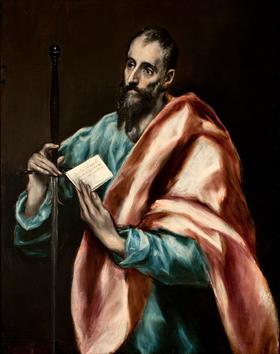
examined 10 September 2014
Miracle

The preserved Hosts of Siena

Archbishop Antonio Buoncristiani of Siena Decree proclaiming the Eucharistic Year, 2014

“As is now known, on 10 September last, with the consent of the Congregation for the Doctrine of the Faith, I judged it right to carry out a new "recognition" of the Holy Hosts kept in the Basilica of St Francis in Siena, and was able to establish, also by "non-invasive" scientific tests, their perfect preservation with a total absence of microbial contamination.”

Our translation. The words as written, in Italian:

“Come è ormai noto, il 10 settembre scorso, con il consenso della Congregazione per la Dottrina della Fede, ho ritenuto opportuno procedere ad una nuova "ricognizione" delle SS. Particole custodite nella Basilica di San Francesco in Siena, potendone constatare - anche con esperimenti scientifici "non invasivi" - la loro perfetta conservazione con la totale assenza di contaminazioni microbiche.”

Investigation
Carried out by the archbishop on 10 September 2014 with the consent of the Congregation for the Doctrine of the Faith
Scientific study
Non-invasive tests. The archbishop states perfect preservation and a total absence of microbial contamination. The minutes quoted above give a partial, comparative result. He also recalls the 1914 finding of unleavened bread in a good state of preservation
Church ruling
The archbishop calls the fact "prodigioso" in this decree. The decree does not report a ruling by the Holy See

Read it in the source: arcidiocesi.siena.it

See it on the timeline: Eucharistic miracles
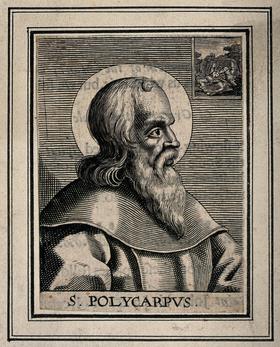
canonized 1767
Miracle

St. Joseph of Cupertino, Franciscan priest

Dicastery for the Causes of Saints Profile of St. Joseph of Cupertino, biography

“Such episodes do not escape the Inquisition of Naples, which summons him to try to learn whether or not the young man from Copertino is abusing the credulity of the people. Right in front of the judges assembled in the Monastery of San Gregorio Armeno, Joseph has a levitation. He is therefore cleared of every charge, but the Holy Office confines him in isolation, far from the crowds.”

Our translation. The words as written, in Italian:

“Tali episodi non sfuggono all’Inquisizione di Napoli che lo convoca per cercare di capire se il giovane da Copertino stia abusando della credulità popolare o meno. Proprio davanti ai giudici schierati nel Monastero di San Gregorio Armeno, Giuseppe ha una levitazione. Viene quindi assolto da ogni accusa, ma il Sant’Uffizio lo confina in isolamento, lontano dalle folle.”

Read it in the source: Dicastery for the Causes of Saints

See it on the timeline: Saints of reform and mission, 1500 to 1800

1798An elderly pope in green vestments and a white and gold mitre raises his hand in greeting, holding his staff with the crucifix
Miracle

Our Lady of La Vang, Vietnam

Pope St. John Paul II Letter to Cardinal Paul Joseph Pham Dình Tung for the bicentenary of the apparitions at La Vang, 16 December 1997

“At the beginning of the jubilee celebrations for the 200th anniversary of the Virgin Mary’s apparitions in La Vang, I warmly join in the joy and thanksgiving of the Bishops of Viêt Nam and the members of their Dioceses. In this shrine, so dear to the heart of Catholics in your country, it is a message of hope among spiritual and physical tribulations which the Mother of the Lord gave to her children in 1798, announcing to them: “Have trust, be willing to suffer hardship and sorrow. I have already granted your prayers. Henceforth all those who come to pray to me in this spot will see their wishes fulfilled”.”

Witnesses
Catholics of Viêt Nam, whom the Pope calls her children; no one is named on this page
Church ruling
None stated. The letter marks the jubilee of the 200th anniversary

Read it in the source: vatican.va

See it on the timeline: Marian apparitions

The Modern Era1800 to today
canonized 1807
Miracle

St. Angela Merici, founder of the Company of St. Ursula

Dicastery for the Causes of Saints Profile of St. Angela Merici, biography

“But it is during the journey towards the origins of Christianity that a singular wonder takes place: suddenly, Angela loses her sight; she will regain it only on her return from the Holy Land, while praying before the Crucifix. Far from losing heart, Merici accepts the passing illness as a sign of Providence, so that she may look upon the Holy Places not with the eyes of the body but with those of the spirit.”

Our translation. The words as written, in Italian:

“Ma è proprio durante il viaggio verso le origini del cristianesimo che avviene un prodigio singolare: improvvisamente, Angela perde la vista; la riacquisterà solo al rientro dalla Terra Santa, pregando davanti al Crocifisso. Lungi dallo scoraggiarsi, la Merici accoglie la momentanea malattia come un segno della Provvidenza, così da poter guardare ai Luoghi Santi non con gli occhi del corpo, bensì con quelli dello spirito.”

Read it in the source: Dicastery for the Causes of Saints

See it on the timeline: Saints of reform and mission, 1500 to 1800

27 November 1830Two sides of an oval gold medal: the Virgin Mary with rays from her hands, and a letter M under a cross above two hearts, ringed with stars
Miracle

The Miraculous Medal, rue du Bac, Paris

Chapel of Our Lady of the Miraculous Medal The apparitions and the Miraculous Medal (chapel website)

“On November 27, 1830, the Blessed Virgin appeared to Catherine again in the chapel. … Then an oval formed around the apparition, and Catherine saw in a semi-circle this invocation: “O Mary conceived without sin, pray for us who have recourse to you,” emblazoned in gold letters. She then heard a voice saying, “Have a medal made according to this model. For those who wear it with confidence, there will be abundant graces.””

Witnesses
Sister Catherine Labouré, a novice of the Daughters of Charity, between July and December 1830

Read it in the source: chapellenotredamedelamedaillemiraculeuse.com

See it on the timeline: Marian apparitions

1830
Miracle

The Miraculous Medal, rue du Bac, Paris

Pope Pius XII Encyclical Le Pèlerinage de Lourdes, 9 (2 July 1957)

“To mention but a single instance, everyone is familiar today with the "miraculous medal." This medal, with its image of "Mary conceived without sin," was revealed to a humble daughter of Saint Vincent de Paul whom We had the joy of inscribing in the catalogue of Saints, and it has spread its spiritual and material wonders everywhere.”

Church ruling
Pius XII says in this encyclical that the medal was revealed to the seer, and that he himself canonized her

Read it in the source: vatican.va

See it on the timeline: Marian apparitions

19 September 1846
Miracle

Our Lady of La Salette, France

Sanctuary of Our Lady of La Salette The history (sanctuary website)

“On 19 September 1846, two children say they met a "Beautiful Lady" in the mountain pastures where they were grazing their cows, above the village of La Salette. Maximin Giraud is 11 and Mélanie Calvat is 14. At first seated and in tears, the "Beautiful Lady" stands and speaks to them at length, in French and in the local dialect, about "her Son", giving examples drawn from their own daily life. She leaves them a Message and charges them to "make it known to all her people".”

Our translation. The words as written, in French:

“Le 19 septembre 1846, deux enfants disent avoir rencontré une « Belle Dame » dans les alpages où ils faisaient paître leurs vaches, au dessus du village de La Salette. Maximin Giraud a 11 ans et Mélanie Calvat 14 ans. D’abord assise et toute en larmes, la « Belle Dame » se lève et leur parle longuement, en français et en patois, de « son Fils » tout en citant des exemples tirés du concret de leur vie. Elle leur laisse un Message en les chargeant de le « faire bien passer à tout son peuple ».”

Witnesses
Two shepherd children, Maximin Giraud, aged 11, and Mélanie Calvat, aged 14

Read it in the source: lasalette.cef.fr

See it on the timeline: Marian apparitions

19 September 1846
Miracle

Our Lady of La Salette, France

Sanctuary of Our Lady of La Salette The history, quoting the decree of Bishop Philibert de Bruillard of Grenoble, 19 September 1851 (sanctuary website)

“On 19 September 1851, after a long and rigorous inquiry, Bishop Philibert de Bruillard of Grenoble declared in a decree: "The apparition of the Blessed Virgin to two shepherds on the mountain of La Salette […] bears in itself all the marks of truth, and the faithful have grounds to believe it beyond doubt and certain."”

Our translation. The words as written, in French:

“Le 19 septembre 1851, après une enquête longue et rigoureuse, Mgr Philibert de Bruillard, l’évêque de Grenoble, déclarera dans un mandement : « L’apparition de la Sainte Vierge à deux bergers sur la montagne de La Salette […] porte en elle-même tous les caractères de la vérité et que les fidèles sont fondés à la croire indubitable et certaine ».”

Investigation
An inquiry of five years under the Bishop of Grenoble
Church ruling
Bishop Philibert de Bruillard of Grenoble, decree of 19 September 1851: the apparition bears all the marks of truth and the faithful have grounds to believe it. In 1855 his successor, Bishop Ginoulhiac, confirmed the decision after a new inquiry

Read it in the source: lasalette.cef.fr

See it on the timeline: Marian apparitions

March 1858A rock cave under trees with a white statue in a niche above it and people gathered in front
Miracle

Lourdes: the cure of Louis Bouriette

Sanctuary of Our Lady of Lourdes Miracles et guérisons, list of the cures recognized as miraculous

“Louis BOURIETTE of Lourdes (France). Injury to the right eye dating back 20 years, with amaurosis (loss of sight) for 2 years. Aged 54 in March 1858. Diocese and date of recognition: Tarbes, 18 January 1862.”

Our translation. The words as written, in French:

“Louis BOURIETTE de Lourdes (France). Traumatisme de l’œil droit datant de 20 ans, avec amaurose depuis 2 ans. 54 ans en mars 1858. Diocèse et date de reconnaissance : Tarbes, 18-01-1862.”

Medical finding
The diagnosis on the sanctuary's list: an injury to the right eye twenty years old, with loss of sight for two years
Church ruling
Recognized as miraculous in the diocese of Tarbes, 18 January 1862

Read it in the source: lourdes-france.com

See it on the timeline: Great miracles

11 February to 16 July 1858
Miracle

Our Lady of Lourdes, France

Sanctuary of Our Lady of Lourdes The apparitions, entry for Thursday 25 March 1858 (sanctuary website)

“The vision finally revealed her name, but the wild rose bush, on which she stood during the Apparitions, did not bloom. Bernadette recounted : “She extended her arms towards the ground, then joined them as though in prayer and said Que soy era Immaculada Concepciou (I am the Immaculate Conception)”. The young visionary left and, running all the way, repeated continuously the words that she did not understand.”

Witnesses
Bernadette Soubirous saw the lady. The page counts the crowds who watched her: about one hundred people on 21 February and about eight thousand on 4 March
Investigation
The page records that the police commissioner questioned Bernadette on 21 February and that the parish priest, Fr. Peyramale, demanded the lady's name

Read it in the source: lourdes-france.com

See it on the timeline: Marian apparitions

1858
Miracle

Our Lady of Lourdes, France

Sanctuary of Our Lady of Lourdes The Medical Bureau of the Sanctuary, History (sanctuary website)

“At the time he signed his Decree of 18 January 1862 with the decision concerning the Lourdes Apparitions, Mgr Bertrand-Sévère Laurence, Bishop of Tarbes, used three criteria to establish that the Immaculate Conception had actually appeared to Bernadette Soubirous: reliability of the seer, spiritual fruits, cures of the body. On that same day (18 January 1862), he declared by Decree that seven cures, among the hundreds examined by Prof Henri Vergez, were “miraculous”.”

Medical finding
Seven cures, out of hundreds examined by Prof. Henri Vergez, were declared miraculous in the same decree
Scientific study
The Bureau des Constatations Médicales was established at the shrine in 1883 by Dr. Georges-Fernand Dunot de Saint-Maclou
Church ruling
Bishop Bertrand-Sévère Laurence of Tarbes, decree of 18 January 1862

Read it in the source: lourdes-france.com

See it on the timeline: Marian apparitions

1858
Miracle

Our Lady of Lourdes, France

Pope Pius XII Encyclical Le Pèlerinage de Lourdes, 11 (2 July 1957)

“You know, Beloved Sons and Venerable Brethren, the astonishing circumstances under which the voice of that child, the messenger of the Immaculate, compelled the world's recognition despite ridicule, doubt, and opposition. You know the steadfastness and purity of her testimony, wisely put to the test by episcopal authority and approved as early as 1862.”

Church ruling
Pius XII states that Bernadette's testimony was tested by episcopal authority and approved in 1862

Read it in the source: vatican.va

See it on the timeline: Marian apparitions

1858
Miracle

Our Lady of Lourdes, France

Sanctuary of Our Lady of Lourdes Miraculous healings (sanctuary website)

“Of the more than 7,000 cases of healing reported at Lourdes since the apparitions, 72 have so far been recognised as miraculous by the Church.”

Medical finding
More than 7,000 healings reported; 72 recognised as miraculous by the Church. The page lists each one with its date of recognition, the first seven on 18 January 1862

Read it in the source: lourdes-france.com

See it on the timeline: Marian apparitions

1858
Miracle

Our Lady of Lourdes, France

Pope Benedict XVI Homily at Lourdes for the 150th anniversary of the apparitions, 14 September 2008

““Go and tell the priests that people should come here in procession, and that a chapel should be built here.” This is the message Bernadette received from the “beautiful lady” in the apparition of 2 March 1858. For 150 years, pilgrims have never ceased to come to the grotto of Massabielle to hear the message of conversion and hope which is addressed to them.”

Read it in the source: vatican.va

See it on the timeline: Marian apparitions

October 1859A low brick chapel behind trees and a lawn on a sunny day
Miracle

Our Lady of Champion, Wisconsin

Bishop David L. Ricken of Green Bay Decree on the Authenticity of the Apparitions of 1859 at the Shrine of Our Lady of Good Help (2010)

“Incessant prayer has gone up in this place based upon the word of a young Belgian immigrant woman, Adele Brise, who in October 1859 said that the Blessed Mother, a Lady clothed in dazzling white, had appeared to her on this site. The Lady was elevated slightly in a bright light and gave words of solace and comfort and a bold and challenging mission for the young immigrant woman. The Lady gave her a two-fold mission of prayer for the conversion of sinners and catechesis.”

Witnesses
Adele Brise, a young Belgian immigrant, in October 1859
Medical finding
The decree says many physical healings are attributed to prayer at the shrine, and that none has been officially declared a miracle by the Church

Read it in the source: championshrine.org

See it on the timeline: Marian apparitions

October 1859
Miracle

Our Lady of Champion, Wisconsin

Bishop David L. Ricken of Green Bay Decree on the Authenticity of the Apparitions of 1859 at the Shrine of Our Lady of Good Help (2010)

“Three Marian experts have studied the history of this alleged apparition and all of the extant documents, letters, and written testimonies in order to determine whether or not there are inherent contradictions or objections to the veracity of the testimony given by Adele Brise with regard to the events of 1859 … The accounts of the apparitions and locutions are judged to be free from doctrinal error and consistent with the Catholic faith. There is nothing in the person and character of Adele Brise that would question the veracity of the substance of her account.”

Investigation
Three Marian experts studied the history and all the surviving documents, letters and written testimonies
Scientific study
The decree says documents from the early history of the shrine are not abundant, because Green Bay was frontier country at the time

Read it in the source: championshrine.org

See it on the timeline: Marian apparitions

October 1859
Miracle

Our Lady of Champion, Wisconsin

National Shrine of Our Lady of Champion Our Story (shrine website)

“The constant testimony of the Christian faithful since Our Lady’s appearance to Adele, along with numerous divine favors granted, led the bishop of the Diocese of Green Bay, after a formal investigation, to declare the apparition at Champion as ‘worthy of belief’ on December 8th, 2010.”

Investigation
Bishop David L. Ricken of Green Bay opened a formal Church investigation in 2009
Church ruling
Declared worthy of belief by the Bishop of Green Bay on 8 December 2010

Read it in the source: championshrine.org

See it on the timeline: Marian apparitions

18 January 1862A rock cave under trees with a white statue in a niche above it and people gathered in front
Miracle

Lourdes: the bishop's decree on the first seven cures

Sanctuary of Our Lady of Lourdes The Medical Bureau of the Sanctuary, History

“On that same day (18 January 1862), he declared by Decree that seven cures, among the hundreds examined by Prof Henri Vergez, were “miraculous”.”

Investigation
Hundreds of cures were examined by Prof Henri Vergez
Church ruling
Mgr Bertrand-Sévère Laurence, Bishop of Tarbes, declared seven cures miraculous by decree of 18 January 1862

Read it in the source: lourdes-france.com

See it on the timeline: Great miracles

1870A black and white engraving of hundreds of bishops seated in tiers on either side of a hall, with the pope enthroned at the far end
Miracle

Miracles as signs of revelation

First Vatican Council Dei Filius, ch. 3, On Faith

“Nevertheless, in order that the submission of our faith should be in accordance with reason, it was God’s will that there should be linked to the internal assistance of the holy Spirit external indications of his revelation, that is to say divine acts, and first and foremost miracles and prophecies, which clearly demonstrating as they do the omnipotence and infinite knowledge of God, are the most certain signs of revelation and are suited to the understanding of all.”

Read it in the source: Papal Encyclicals Online

See it on the timeline: Great miracles

1870
Miracle

Miracles as signs of revelation

First Vatican Council Dei Filius, canons on faith, canon 4

“If anyone says that all miracles are impossible, and that therefore all reports of them, even those contained in sacred scripture, are to be set aside as fables or myths; or that miracles can never be known with certainty, nor can the divine origin of the christian religion be proved from them: let him be anathema.”

Read it in the source: Papal Encyclicals Online

See it on the timeline: Great miracles

17 January 1871The tall nave of a Gothic church lit by blue stained-glass windows
Miracle

Our Lady of Pontmain, France

Sanctuary of Pontmain The account of the apparition (sanctuary website)

“For three hours, Eugène and Joseph Barbedette, Françoise Richer and Jeanne-Marie Lebossé gaze at the "Beautiful Lady", dressed in a blue robe strewn with stars, with a black veil on her head and a golden crown with a red band, and on her feet blue slippers with a golden buckle. She holds her hands out and smiles at the children. She appears within a triangle formed by three large golden stars in the open sky.”

Our translation. The words as written, in French:

“Pendant 3 heures, Eugène et Joseph Barbedette, Françoise Richer et Jeanne-Marie Lebossé vont contempler la « Belle Dame » vêtue d’une robe bleue parsemée d’étoiles, avec un voile noir sur la tête et une couronne d’or avec un liseré rouge, aux pieds des chaussons bleus avec une boucle d’or. Elle tend les mains en avant et sourit aux enfants. Elle apparaît dans un triangle formé par trois grosses étoiles d’or en plein ciel.”

Witnesses
Four children: Eugène and Joseph Barbedette, Françoise Richer and Jeanne-Marie Lebossé. The villagers and the parish priest, Fr. Michel Guérin, gathered and prayed with them

Read it in the source: sanctuaire-pontmain.fr

See it on the timeline: Marian apparitions

17 January 1871
Miracle

Our Lady of Pontmain, France

Sanctuary of Pontmain The history (sanctuary website)

“For three hours, Mary lights up the sky of Pontmain before a few children surrounded by the parish community and its priest, Fr. Guérin … The apparition is officially recognized by Bishop Wicart of Laval.”

Our translation. The words as written, in French:

“Pendant 3 heures, Marie illumine le ciel de Pontmain devant quelques enfants entourés de la communauté paroissiale et de son curé l’Abbé Guérin … L’apparition est reconnue officiellement par Monseigneur Wicart, évêque de Laval.”

Church ruling
Officially recognized by Bishop Wicart of Laval on 2 February 1872

Read it in the source: sanctuaire-pontmain.fr

See it on the timeline: Marian apparitions

7 April 1875A rock cave under trees with a white statue in a niche above it and people gathered in front
Miracle

Lourdes: the cure of Pierre De Rudder

Sanctuary of Our Lady of Lourdes Miracles et guérisons, list of the cures recognized as miraculous

“Pierre DE RUDDER of Jabbeke (Belgium). Open fracture of the left leg, with pseudarthrosis (a break that had failed to knit). Aged 52 on 7 April 1875. Diocese and date of recognition: Bruges (Belgium), 25 July 1908.”

Our translation. The words as written, in French:

“Pierre DE RUDDER de Jabbeke (Belgique). Fracture ouverte de la jambe gauche, avec pseudarthrose. 52 ans au 07-04-1875. Diocèse et date de reconnaissance : Bruges (Belgique) 25-07-1908.”

Medical finding
The diagnosis on the sanctuary's list: an open fracture of the left leg that had not united
Church ruling
Recognized as miraculous in the diocese of Bruges, 25 July 1908

Read it in the source: lourdes-france.com

See it on the timeline: Great miracles

1876
Miracle

Our Lady of Mercy, Pellevoisin, France

Dicastery for the Doctrine of the Faith Letter to the Archbishop of Bourges on the Spiritual Experience of Estelle Faguette, 22 August 2024

“During a serious and incurable illness, Estelle Faguette experienced at Pellevoisin the presence of the Virgin Mary, who spoke to her on several occasions about the love of Jesus Christ. Estelle’s healing, which surpassed all natural explanations, was confirmed to be miraculous by the Archbishop of Bourges on 8 September 1983, with the consent of the Holy See.”

Witnesses
Estelle Faguette
Medical finding
Her healing was confirmed to be miraculous by the Archbishop of Bourges on 8 September 1983, with the consent of the Holy See

Read it in the source: vatican.va

See it on the timeline: Marian apparitions

1876
Miracle

Our Lady of Mercy, Pellevoisin, France

Dicastery for the Doctrine of the Faith Letter to the Archbishop of Bourges on the Spiritual Experience of Estelle Faguette, 22 August 2024, conclusion

“not only can I say that there are no doctrinal, moral, or other objections to this spiritual event and that the faithful “are authorized to give to it their adherence in a prudent manner” (Norms, Art. 22 § 1),but, in this case, the devotion—which is already thriving—is also recommended especially for those who freely wish to adhere to it. … Therefore, it is now possible to issue the relevant decree of nihil obstat that you have proposed.”

Church ruling
Nihil obstat: the Dicastery for the Doctrine of the Faith, by letter of 22 August 2024 signed by Cardinal Víctor Manuel Fernández and marked with an audience with Pope Francis the same day, allowed the Archbishop of Bourges to issue the decree

Read it in the source: vatican.va

See it on the timeline: Marian apparitions

27 June to 16 September 1877A red brick church with a tall spire beside other brick buildings, across a lawn
Miracle

Our Lady of Gietrzwałd, Poland

Sanctuary of Our Lady of Gietrzwałd History: The apparitions of the Mother of God at Gietrzwałd (sanctuary website)

“Gietrzwałd became famous through the apparitions of the Mother of God, which took place nineteen years after the apparitions at Lourdes and lasted from 27 June to 16 September 1877. The chief visionaries were thirteen-year-old Justyna Szafryńska and twelve-year-old Barbara Samulowska. … To the girls' question, "Who are you?", she answered: "I am the Most Holy Virgin Mary, Immaculately Conceived!" To the question, "What do you ask, Mother of God?", the answer came: "I wish you to pray the rosary every day!"”

Our translation. The words as written, in Polish:

“Gietrzwałd stał się sławny dzięki Objawieniom Matki Bożej, które miały miejsce dziewiętnaście lat po Objawieniach w Lourdes i trwały od 27 czerwca do 16 września 1877 roku. Głównymi wizjonerkami były: trzynastoletnia Justyna Szafryńska i dwunastoletnia Barbara Samulowska. … Na zapytanie dziewczynek: Kto Ty Jesteś? Odpowiedziała: "Jestem Najświętsza Panna Maryja Niepokalanie Poczęta!" Na pytanie: Czego żądasz Matko Boża? Padła odpowiedź: "Życzę sobie, abyście codziennie odmawiali różaniec!".”

Witnesses
Justyna Szafryńska, aged thirteen, and Barbara Samulowska, aged twelve

Read it in the source: sanktuariummaryjne.pl

See it on the timeline: Marian apparitions

1877
Miracle

Our Lady of Gietrzwałd, Poland

Sanctuary of Our Lady of Gietrzwałd History: The apparitions of the Mother of God at Gietrzwałd, on the bishop's inquiry (sanctuary website)

“The then Bishop of Warmia, Filip Krementz, took an interest in the events at Gietrzwałd. First he required a detailed report from the parish priest, and then he sent canons of the Cathedral Chapter to Gietrzwałd to take part in the rosary devotions, to observe the state and conduct of the visionaries during the apparitions, to draw up records of their testimony and to gather the observations of pilgrims and clergy. The reports of the bishop's delegates confirmed that there could be no question of fraud or lying in the apparitions, and that the girls behaved normally.”

Our translation. The words as written, in Polish:

“Wydarzeniami gietrzwałdzkimi interesował się ówczesny biskup warmiński Filip Krementz. Najpierw zażądał szczegółowego sprawozdania proboszcza, a potem wydelegował do Gietrzwałdu kanoników Kapituły Katedralnej, aby uczestniczyli w nabożeństwach różańcowych, obserwowali stan i zachowanie wizjonerek w trakcie objawień i sporządzili protokoły ich zeznań oraz zgromadzili obserwacje pielgrzymów i duchownych. Doniesienia delegatów biskupich potwierdziły, że w objawieniach nie może być mowy o oszustwie i kłamstwie, a dziewczęta zachowują się normalnie.”

Investigation
Bishop Filip Krementz of Warmia required a report from the parish priest and sent canons of the Cathedral Chapter to observe the girls during the apparitions and record their testimony

Read it in the source: sanktuariummaryjne.pl

See it on the timeline: Marian apparitions

1877
Miracle

Our Lady of Gietrzwałd, Poland

Sanctuary of Our Lady of Gietrzwałd History: The apparitions of the Mother of God at Gietrzwałd, on the centenary of 11 September 1977 (sanctuary website)

“On 11 September 1977, preceded by the Fourth National Mariological Congress, the celebrations of the centenary of the apparitions of the Mother of God were held, presided over by Cardinal Karol Wojtyła, Metropolitan of Kraków. On that day Bishop Józef Drzazga, Bishop of Warmia, solemnly approved the cult of the apparitions of the Mother of God at Gietrzwałd.”

Our translation. The words as written, in Polish:

“11 września 1977 odbyły się, poprzedzone IV Ogólnopolskim Kongresem Mariologicznym, uroczystości 100-lecia objawień Matki Bożej, którym przewodniczył Ks. Karol Kardynał Wojtyła, metropolita krakowski. W tym dniu Ks. Biskup Józef Drzazga, biskup warmiński, uroczyście zatwierdził kult objawień Matki Bożej w Gietrzwałdzie.”

Church ruling
Bishop Józef Drzazga of Warmia solemnly approved the cult of the apparitions on 11 September 1977, at centenary celebrations led by Cardinal Karol Wojtyła

Read it in the source: sanktuariummaryjne.pl

See it on the timeline: Marian apparitions

21 August 1879White marble statues of the Virgin Mary and two other figures beside an altar with a lamb and hovering angels
Miracle

Our Lady of Knock, Ireland

Pope Francis Video message on the elevation of the Shrine of Our Lady of Knock to an International Shrine, 19 March 2021

“Ever since the apparition of 21 August 1879, when the Blessed Virgin Mary appeared to some villagers in Knock together with Saint Joseph and Saint John the Apostle, the Irish people have expressed their devotion wherever they have been. … You know that in the apparition of Knock the Virgin does not say a word. But even her silence is a language; indeed, it is the most expressive language that is given to us.”

Witnesses
Some villagers of Knock, on 21 August 1879
Church ruling
The national Shrine of Our Lady of Knock was raised to an International Shrine of Special Eucharistic and Marian Devotion on 19 March 2021

Read it in the source: vatican.va

See it on the timeline: Marian apparitions

21 August 1879
Miracle

Our Lady of Knock, Ireland

Pope St. John Paul II Homily at the Shrine of Our Lady of Knock, 30 September 1979

“From that day of grace, 21 August 1879, until this very day, the sick and suffering, people handicapped in body or mind, troubled in their faith or their conscience, all have been healed, comforted and confirmed in their faith because they trusted that the Mother of God would lead them to her Son, Jesus.”

Church ruling
John Paul II came as a pilgrim for the shrine's centenary in 1979, gave its new church the title of basilica and presented a golden rose

Read it in the source: vatican.va

See it on the timeline: Marian apparitions

1883A rock cave under trees with a white statue in a niche above it and people gathered in front
Miracle

Lourdes: the Medical Bureau is founded

Sanctuary of Our Lady of Lourdes The miracles of Lourdes, History

“At the request of Father Rémi Sempé, Father of Garaison, first Rector of the Sanctuary, Dr Georges-Fernand Dunot de Saint-Maclou established the “Bureau des Constatations Médicales” (Medical Bureau of the Sanctuary), so that no one would leave Lourdes claiming to be “cured” without having submitted his or her healing story to a rigorous and collegiate medical assessment. In 1886, through the Archbishop of Cagliari, Monsignor Vincenzo Gregorio Berchialla, Pope Leo XIII gave his approval to the rigorous procedures of the Medical Bureau of Lourdes. And in 1905, the Bishop of Tarbes received confirmation from the Holy See of his right to use the procedures of the Medical Bureau of the Sanctuary to study the reported cures.”

Investigation
A permanent medical office at the shrine, founded in 1883, examines reported cures
Church ruling
Pope Leo XIII approved the Bureau's procedures in 1886. The Holy See confirmed the Bishop of Tarbes's right to use them in 1905

Read it in the source: lourdes-france.org

See it on the timeline: Great miracles

canonized 1900The white stone front of a church with two small towers under a deep blue sky
Miracle

St. Rita of Cascia, widow and Augustinian nun

Dicastery for the Causes of Saints Profile of St. Rita of Cascia, biography

“More and more immersed in the contemplation of Christ, Rita asks to be able to share in his Passion, and in 1432, absorbed in prayer, she finds on her forehead the wound of a thorn from the crown of the Crucified, which lasts until her death, for 15 years. In the winter before her death Rita, ill and confined to bed, asks a cousin who has come to visit from Roccaporena to bring her two figs and a rose from the garden of her father's house. It is the month of January, and the woman humours her, thinking her delirious from the illness. On returning home she finds, astonished, the rose and the figs, and takes them to Cascia.”

Our translation. The words as written, in Italian:

“Sempre più immersa nella contemplazione di Cristo, Rita chiede di poter partecipare alla sua Passione e nel 1432, assorta in preghiera, si ritrova sulla fronte la ferita di una spina della corona del Crocifisso che persiste fino alla morte, per 15 anni. Nell’inverno che precede la sua morte Rita, malata e costretta a letto, chiede a una cugina, venuta in visita da Roccaporena, di portarle due fichi e una rosa dall’orto della casa paterna. É il mese di gennaio, la donna l’asseconda, pensandola nel delirio della malattia. Rientrata, trova, stupefatta, la rosa e i fichi e li porta a Cascia.”

Church ruling
Beatified by Pope Urban VIII on 19 October 1626. Canonized by Pope Leo XIII on 24 May 1900

Read it in the source: Dicastery for the Causes of Saints

See it on the timeline: Saints of the high Middle Ages, 1050 to 1500

1902A black and white photograph of a very old, smiling pope in white with a pectoral cross
Miracle

Leo XIII on prodigies in honour of the Eucharist

Pope Leo XIII Mirae Caritatis, 7 (28 May 1902)

“And this miracle, itself the very greatest of its kind, is accompanied by innumerable other miracles; for here all the laws of nature are suspended; the whole substance of the bread and wine are changed into the Body and the Blood; the species of bread and wine are sustained by the divine power without the support of any underlying substance; the Body of Christ is present in many places at the same time, that is to say, wherever the Sacrament is consecrated. And in order that human reason may the more willingly pay its homage to this great mystery, there have not been wanting, as an aid to faith, certain prodigies wrought in His honour, both in ancient times and in our own, of which in more than one place there exist public and notable records and memorials.”

Read it in the source: vatican.va

See it on the timeline: Eucharistic miracles
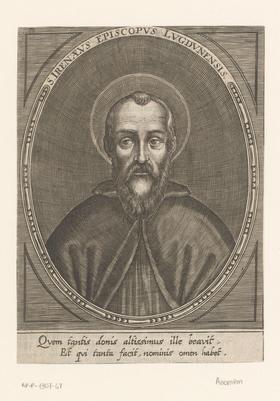
canonized 1904
Miracle

St. Gerard Majella, Redemptorist brother

Dicastery for the Causes of Saints Profile of St. Gerard Majella, biography

“And indeed, one must read his life, full of wonders, to grasp the sublime virtues of the Saint, as well as the miracles he worked as though in play. In his short life the Saint won a glory that is still spreading, thanks to wonders of every sort, which the faithful obtain through his intercession.”

Our translation. The words as written, in Italian:

“E difatti, bisogna leggere la sua vita piena di prodigi per rendersi conto delle sublimi virtù del Santo, come pure dei miracoli che egli operava come se scherzasse. Nella sua breve vita, il Santo acquistò una gloria che tuttora si dilata, mercé di prodigi di ogni sorta, che i fedeli ottengono per la sua intercessione.”

Read it in the source: Dicastery for the Causes of Saints

See it on the timeline: Saints of reform and mission, 1500 to 1800

13 July 1917A black and white photograph of men and women kneeling and standing in a field, shading their eyes and gazing at the sky
Miracle

Fatima: a miracle announced three months ahead

Sister Lucia dos Santos Fourth Memoir, as given by the Shrine of Fatima, Narrative of the Apparitions, third apparition of Our Lady

“- I would like to ask you to tell us who you are, and to work a miracle so that everybody will believe that you are appearing to us. - Continue to come here every month. In October, I will tell you who I am and what I want, and I will perform a miracle for all to see and believe.”

Witnesses
The shrine gives the number present on 13 July as 4000 to 5000 or 2000 to 3000, and on 13 October as 50000 to 70000
Investigation
The shrine notes that parts of its narrative come from the parish priest's questioning of the children on 14 July 1917

Read it in the source: fatima.pt

See it on the timeline: Great miracles

13 October 1917
Miracle

Fatima: the miracle of the sun

Shrine of Our Lady of Fatima, quoting the newspaper O Século of 15 October 1917 Chronology of the three seers, 1917.10.13

“On the last apparition day, on October 13, the Cova da Iria is presented with a sea of people. The account of the newspaper O Século, October 15, describes what the 70 thousand people could see on the spot: “Before the dazzled eyes of those people, whose attitude transfers us to the biblical times, and which, dumbfounded, with the head uncovered, look up into the blue sky, the sun trembled, the sun had never seen sudden movements against all cosmic laws - the sun "danced", according to the typical expression of the peasants.””

Witnesses
70 thousand people, the figure the shrine gives with the account of O Século
Investigation
The account was printed in the Lisbon newspaper O Século two days later, written by Avelino de Almeida

Read it in the source: fatima.pt

See it on the timeline: Great miracles

13 October 1917
Miracle

Fatima: the miracle of the sun

Shrine of Our Lady of Fatima Chronology of the three seers, 1924.07.08

“The last seer of Fatima responds, in Oporto, to the official interrogation of the Diocesan Canonical Commission, named by José Alves Correia da Silva, Bishop of Leiria, about the events of Fatima. This statement was enclosed with the Diocesan Canonical Process. Following this process, the Bishop of Leiria declared on October 13, 1930, in the Pastoral Letter on the cult of Our Lady of Fatima, «worthy of belief the visions of the children in the Cova da Iria, parish of Fatima, of this Diocese, on 13 May through October 1917».”

Investigation
A Diocesan Canonical Commission named by the Bishop of Leiria. It questioned Lucia officially on 8 July 1924
Church ruling
The Bishop of Leiria declared the visions of the children worthy of belief in a pastoral letter of 13 October 1930

Read it in the source: fatima.pt

See it on the timeline: Great miracles

13 October 1917
Miracle

Our Lady of Fatima, Portugal

Shrine of Our Lady of Fatima Narrative of the Apparitions, sixth apparition of Our Lady, from Sister Lucia's Fourth Memoir (shrine website)

“I want to tell you that a chapel is to be built here in my honour. I am the Lady of the Rosary. Continue always to pray the Rosary every day. The war is going to end, and the soldiers will soon return to their homes. … Then, opening her hands, she made them reflect on the sun, and as she ascended, the reflection of her own light continued to be projected on the sun itself.”

Witnesses
The three children, Lucia, Francisco and Jacinta. The shrine gives the number of people present on 13 October 1917 as 50,000 to 70,000

Read it in the source: fatima.pt

See it on the timeline: Marian apparitions

1917
Miracle

Our Lady of Fatima, Portugal

Shrine of Our Lady of Fatima Chronology of the three seers, entry for 8 July 1924 (shrine website)

“The last seer of Fatima responds, in Oporto, to the official interrogation of the Diocesan Canonical Commission, named by José Alves Correia da Silva, Bishop of Leiria, about the events of Fatima. This statement was enclosed with the Diocesan Canonical Process. Following this process, the Bishop of Leiria declared on October 13, 1930, in the Pastoral Letter on the cult of Our Lady of Fatima, «worthy of belief the visions of the children in the Cova da Iria, parish of Fatima, of this Diocese, on 13 May through October 1917».”

Investigation
A Diocesan Canonical Commission named by the Bishop of Leiria questioned Lucia officially on 8 July 1924; her statement was placed in the diocesan canonical process
Church ruling
Bishop José Alves Correia da Silva of Leiria, Pastoral Letter of 13 October 1930: the visions of the children are worthy of belief

Read it in the source: fatima.pt

See it on the timeline: Marian apparitions

1917
Miracle

Our Lady of Fatima, Portugal

Pope Francis Homily at the canonization of Francisco and Jacinta Marto, Fatima, 13 May 2017

““So beautiful a Lady”, as the seers of Fatima said to one another as they returned home on that blessed day of 13 May a hundred years ago. That evening, Jacinta could not restrain herself and told the secret to her mother: “Today I saw Our Lady”. They had seen the Mother of Heaven. Many others sought to share that vision, but… they did not see her. The Virgin Mother did not come here so that we could see her.”

Church ruling
Pope Francis canonized Francisco and Jacinta Marto at Fatima on 13 May 2017, the hundredth anniversary of the first apparition

Read it in the source: vatican.va

See it on the timeline: Marian apparitions

1918 to 1968A black and white photograph of a young bearded Capuchin friar with his arms crossed, a dark wound on the back of each hand
Miracle

The stigmata of St. Pio of Pietrelcina

Holy See, Office of Liturgical Celebrations, quoting Pope St. Paul VI Biography of Padre Pio da Pietrelcina, published for his canonization, 16 June 2002

“Because he said Mass humbly, heard confessions from dawn to dusk and was – it is not easy to say it – one who bore the wounds of our Lord. He was a man of prayer and suffering”.”

Investigation
The biography says he had to submit to investigations and to restrictions on his priestly ministry, and accepted them

Read it in the source: vatican.va

See it on the timeline: Great miracles

canonized 1920A young woman in full armour stands beside an altar holding a white banner, her eyes raised
Miracle

St. Joan of Arc, virgin

Pope Benedict XV Bull of canonization Divina disponente, 16 May 1920, Italian text on the Dicastery's profile of St. Joan of Arc

“After the processes on the proposed miracles had been completed according to the rules, and after a third small additional process on one of them had been held in this City, on 6 April 1918 we solemnly declared: that two miracles are established, the first being the instantaneous and perfect healing of Maria Antonia Mirandelle from a perforating disease of the sole of the foot; and the other, the instantaneous and perfect healing of Teresa Belin from peritoneal and pulmonary tuberculosis and from an organic lesion of the mitral orifice. Then, on 17 June 1919, we decreed that it was safe to proceed to the solemn Canonization of Blessed Joan of Arc.”

Our translation. The words as written, in Italian:

“Dopo aver completato, secondo le regole, i processi sui miracoli proposti e aver fatto anche, riguardo ad uno, il terzo processetto addizionale in questa Urbe, il 6 aprile 1918 dichiarammo solennemente: Constare due miracoli, il primo, cioé la guarigione istantanea e perfetta di Maria Antonia Mirandelle da una malattia perforante la pianta del piede; e, l’altro, la guarigione istantanea e perfetta di Teresa Belin da tubercolosi peritoneale e polmonare e da lesione organica dell’orifizio mitralico. Poi, il 17 giugno 1919, decretammo che si poteva procedere con sicurezza alla solenne Canonizzazione della Beata Giovanna d’Arco.”

Cases
For the canonization: the healings of Maria Antonia Mirandelle and of Teresa Belin. For the beatification the bull names three approved healings, of Sister Teresa of St. Augustine, Sister Giulia Gauthier of St. Norbert and Sister Giovanna Maria Sagnier
Investigation
Processes on the proposed miracles, with a third additional process on one of them held in Rome
Church ruling
Pius X declared the three miracles for the beatification established in Advent 1908. Benedict XV declared the two miracles for the canonization established on 6 April 1918 and signed the bull of canonization on 16 May 1920

Read it in the source: Dicastery for the Causes of Saints

See it on the timeline: Saints of the high Middle Ages, 1050 to 1500

canonized 1920A nun in a black veil with a halo holds up a small picture of a heart surrounded by thorns
Miracle

St. Margaret Mary Alacoque, Visitation nun

Pope Benedict XV Address after the reading of the decree on the miracles attributed to Bl. Margaret Mary Alacoque, 6 January 1918, as given in the Dicastery's profile

“For a decree has been published which recognizes the truth of two instantaneous healings attributed to the intercession of Blessed Margaret Mary Alacoque. In the two wonders the reward given to devotion to the Most Sacred Heart of Jesus is manifest. For more than a year Luisa Agostini Coleschi had been afflicted by a disease judged incurable: in vain she had several times implored the intercession of a number of Saints. … To the relatives and friends who first came to visit her after the healing, Luisa Coleschi said: "The Most Sacred Heart of Jesus has granted me the grace"”

Our translation. The words as written, in Italian:

“Si è infatti pubblicato un decreto che riconosce la verità di due instantanee guarigioni attribuite alla intercessione della beata Margherita Maria Alacoque. Nei due prodigi è manifesto il premio dato alla devozione al Cuore Santissimo di Gesù. Da oltre un anno Luisa Agostini Coleschi era afflitta da morbo giudicato insanabile: invano avea più volte implorato l’intercessione di parecchi Santi. … Ai parenti e agli amici che primi si recarono a visitarla dopo la guarigione, Luisa Coleschi disse: « Il Cuore Santissimo di Gesù mi ha fatto la grazia »”

Cases
Luisa Agostini Coleschi, healed at Valle di Pompei of a disease judged incurable; and the Countess Astorri, widow Pavesi
Investigation
The Pope cites the sworn deposition of the Countess Astorri
Church ruling
A decree recognizing two instantaneous healings attributed to her intercession, read before Benedict XV on 6 January 1918

Read it in the source: Dicastery for the Causes of Saints

See it on the timeline: Saints of reform and mission, 1500 to 1800

1923A rock cave under trees with a white statue in a niche above it and people gathered in front
Miracle

Lourdes: the cure of John Traynor

Sanctuary of Our Lady of Lourdes Miracles et guérisons, list of the cures recognized as miraculous

“John Jack Traynor (England). Seriously wounded during the First World War; [the cure] took place at Lourdes in 1923 during the first pilgrimage of the diocese of Liverpool (England). Diocese and date of recognition: Liverpool, 8 December 2024.”

Our translation. The words as written, in French:

“John Jack Traynor, (Angleterre). Grièvement blessé pendant la première guerre mondiale, survenue à Lourdes en 1923 à l’occasion du premier pèlerinage du diocèse de Liverpool (Angleterre) Diocèse et date de reconnaissance : Liverpool, 8-12-2024”

Church ruling
Recognized as miraculous, Liverpool, 8 December 2024

Read it in the source: lourdes-france.com

See it on the timeline: Great miracles

29 November 1932 to 3 January 1933A stone chapel and a paved square in the rain, with a hedge and small buildings around
Miracle

Our Lady of Beauraing, Belgium

Sanctuary of Our Lady of Beauraing Account of the apparitions (sanctuary website)

“It was in that year, in a plain country village, that the Virgin Mary chose to appear, thirty-three times, from 29 November 1932 to 3 January 1933, to five young children. They were brothers and sisters from two modest families: the Voisins, with Fernande (15), Gilberte (13) and Albert (11), and the Degeimbres, with Andrée (14) and Gilberte (9).”

Our translation. The words as written, in French:

“C’est cette année-là, dans un village de campagne sans relief, que la Vierge Marie choisit d’apparaître, à trente-trois reprises, du 29 novembre 1932 au 3 janvier 1933, à cinq jeunes enfants. Il s’agit de deux fratries issues de familles modestes : les Voisin, avec Fernande (15 ans), Gilberte (13 ans) et Albert (11 ans), et les Degeimbre, avec Andrée (14 ans) et Gilberte (9 ans).”

Witnesses
Five children of two families: Fernande, Gilberte and Albert Voisin, and Andrée and Gilberte Degeimbre. The page says no one else saw anything

Read it in the source: sanctuairedebeauraing.be

See it on the timeline: Marian apparitions

1932 to 1933
Miracle

Our Lady of Beauraing, Belgium

Sanctuary of Our Lady of Beauraing Account of the apparitions, on the recognition (sanctuary website)

“After thirty-three apparitions, and after so many studies by theologians and doctors, Bishop Thomas-Louis Heylen of Namur brought about the recognition of the devotion. On 16 May 1943 his successor, Bishop André-Marie Charue, obtained from Rome a decree authorizing the cult of Our Lady of Beauraing. Two healings were declared miraculous, and the authenticity of the events was recognized on 2 July 1949 by Bishop Charue.”

Our translation. The words as written, in French:

“Après trente-trois apparitions, après tant d’études de théologiens et de médecins, Mgr Thomas-Louis Heylen, évêque de Namur, fait aboutir la reconnaissance du culte. Le 16 mai 1943, son successeur, Mgr André-Marie Charue, obtient de Rome un décret autorisant le culte de Notre-Dame de Beauraing. Deux guérisons sont déclarées miraculeuses et l’authenticité des faits est reconnue le 2 juillet 1949 par Mgr Charue.”

Investigation
Studies by theologians and doctors under the Bishops of Namur
Medical finding
Two healings were declared miraculous
Church ruling
A decree from Rome authorizing the cult of Our Lady of Beauraing, 16 May 1943; the authenticity of the events recognized by Bishop André-Marie Charue of Namur on 2 July 1949

Read it in the source: sanctuairedebeauraing.be

See it on the timeline: Marian apparitions

15 January to 2 March 1933A white statue of the Virgin Mary stands above a round stone basin, with flowers along a wall behind
Miracle

Our Lady of Banneux, Belgium

Shrine of Banneux Notre-Dame The apparitions (1933) (shrine website)

“On Thursday, 19 January 1933, the weather was very bad. Mariette was on her knees in the path. The lady appeared to her. Mariette asked her, “Who are you, beautiful lady?” Mary replied, “I am the Virgin of the Poor.” The Virgin led the child to the way to the spring.”

Witnesses
Mariette Beco, born 25 March 1921, the eldest of seven children; eight apparitions between 15 January and 2 March 1933

Read it in the source: banneux-nd.be

See it on the timeline: Marian apparitions

1933
Miracle

Our Lady of Banneux, Belgium

Bishop Louis-Joseph Kerkhofs of Liège Pastoral letter of 22 August 1949, as given in English by the Shrine of Banneux

“We want to show that we truly believe that the Blessed Virgin appeared and spoke in Banneux. … Twice, first in 1942, then in 1947, we officially recognized, with some reservations, the reality of Banneux’s apparitions. Today, after two more years of prayer and observations, we believe in conscience that we can and must recognize this reality without reserve, namely, the reality of the eight apparitions of the Blessed Virgin to Mariette Beco, which took place on the 15th, January 18, 19 and 20, February 11, 15 and 20 and March 2, 1933.”

Church ruling
Bishop Louis-Joseph Kerkhofs of Liège recognized the apparitions with some reservations in 1942 and 1947, and without reserve in his pastoral letter of 22 August 1949. The page records that his successors, Bishops van Zuylen and Houssiau, confirmed this

Read it in the source: banneux-nd.be

See it on the timeline: Marian apparitions

canonized 1934A sepia photograph of a priest with curly hair in a black cassock, his hands folded
Miracle

St. John Bosco, priest and founder of the Salesians

Pope Pius XI Decretal Letter Geminata Laetitia proclaiming Don Bosco a saint (1934), first healing, as printed in the Dicastery's profile

“Mrs. Anna Maccolini in October 1930 was struck by influenzal bronchopneumonia, which lasted until February of the following year. Towards the middle of December of the same year 1930 there was added to that illness a phlebitis of the left leg and thigh, which spread through the whole limb so as to swell it to more than double and leave it immobile. … And then Mrs. Anna, one night towards the end of that same year, after making a triduum to Blessed John Bosco and placing a relic of him on the limb, found herself in an instant perfectly healed of the phlebitis, with no more pain and no swelling in the limb, its movement free and natural again and its bending free.”

Our translation. The words as written, in Italian:

“La signora Anna Maccolini nell’ottobre del 1930 fu colpita da bronco-polmonite influenzale che durò sino al febbraio dell’anno seguente. Verso la metà del dicembre dello stesso anno 1930 a detta malattia si aggiunse una flebite alla gamba ed alla coscia sinistra, la quale invase l’intiero arto sì da gonfiarlo oltre il doppio e immobilizzarlo. … Ed ecco che la signora Anna, una notte, sul finire dello stesso anno, dopo aver fatto un triduo al Beato Giovanni Bosco ed aver posto sull’arto una reliquia del medesimo, all’istante si trovò perfettamente guarita dalla flebite, senza più alcun dolore e senza gonfiezza all’arto, tornato libero e naturale il movimento e libera la flessione.”

Case
Anna Maccolini, aged 74, of Rimini: phlebitis of the left leg during bronchopneumonia, end of 1930
Medical finding
Her two doctors agreed on the diagnosis and gave a prognosis almost certainly fatal. Three experts chosen by the Sacred Congregation of Rites agreed on the diagnosis and the prognosis and recognized the healing as miraculous
Church ruling
Pius XI declared on 19 November of the year before the canonization that the two miracles were established

Read it in the source: Dicastery for the Causes of Saints

See it on the timeline: Saints of the modern age, 1800 to today

canonized 1934
Miracle

St. John Bosco, priest and founder of the Salesians

Pope Pius XI Decretal Letter Geminata Laetitia proclaiming Don Bosco a saint (1934), second healing, as printed in the Dicastery's profile

“When every treatment, begun as far back as 1903, had proved useless, she went twice on pilgrimage to Lourdes, but having not obtained healing from the Blessed Virgin even on the second pilgrimage, made in the first days of May 1931, before leaving Lourdes she prayed to Mary Most Holy in these words: "Since here at Lourdes I have not obtained healing, grant me at least, for the devotion I have to Blessed John Bosco, that he may obtain it for me in Turin." … Then, as if coming back to herself, she realizes that she is healed; without any help, from that moment, she walks freely to the amazement of those present, who knew she was unable to walk; she climbs in and out of the carriage and up and down the stairs with no hindrance.”

Our translation. The words as written, in Italian:

“Riuscite vane tutte le cure, incominciate fin dal 1903, per ben due volte peregrinò a Lourdes, ma non avendo ottenuta la guarigione dalla Beata Vergine nemmeno nel secondo pellegrinaggio compiuto ai primi del maggio 1931, prima di ripartire da Lourdes, così pregò Maria Santissima: « Poiché qui a Lourdes non ho ottenuto la guarigione, concedetemi almeno per la devozione che nutro verso il Beato Giovanni Bosco che egli me la possa ottenere in Torino ». … Allora, come tornando in sé, si accorge d’essere guarita; senza alcuno aiuto, da quel momento, cammina liberamente tra lo stupore dei presenti, che la sapevano impedita di camminare; sale e discende la carrozza e le scale senza alcun impedimento.”

Case
Caterina Lanfranchi, wife of Alessandro Pilenga: arthritis of the knees and feet, treated without success since 1903; healed on 6 May 1931 in the Basilica of Mary Help of Christians in Turin, before the urn holding Don Bosco's body
Medical finding
Three experts attested that the healing lasted. The treating doctors, the witnesses and the experts appointed by the Sacred Congregation of Rites attested the miracle
Church ruling
Pius XI declared on 19 November of the year before the canonization that the two miracles were established

Read it in the source: Dicastery for the Causes of Saints

See it on the timeline: Saints of the modern age, 1800 to today

5 April 1943
Miracle

Bl. Bartolo Longo: the healing of Carmen Rocco

Dicastery for the Causes of Saints Profile of St. Bartolo Longo, account of the cause

“With a view to the beatification of the Founder of the Shrine of Pompeii, the case was presented of Mrs. Carmen Rocco, married name Camera, healed perfectly and suddenly, on 5 April 1943, of an enterocolitic syndrome with malabsorption disorders and malnutrition, with severe hyperchromic anaemia, with motor disturbances and calculous cholecystitis. … The Medical Board, meeting on 22 March 1978, declared the healing scientifically inexplicable.”

Our translation. The words as written, in Italian:

“In vista della beatificazione del Fondatore del Santuario di Pompei fu presentato il caso della signora Carmen Rocco, coniugata Camera, guarita perfettamente ed improvvisamente, il 5 aprile 1943, da una sindrome enterocolitica con turbe da malassorbimento e malnutrizione, con anemia grave ipercromica con disturbi motori e colecistite calcolosa. … La Consulta Medica, riunitasi il 22 marzo 1978, dichiarò scientificamente inspiegabile la guarigione.”

Case
Carmen Rocco, married name Camera, healed on 5 April 1943
Investigation
Apostolic Process held at Naples in 1945, recognized as valid by decree of 24 October 1975
Medical finding
The Medical Board on 22 March 1978 declared the healing scientifically inexplicable
Church ruling
Theological consultors favourable on 10 April 1979; the Fathers gave a positive opinion on 29 May 1979; decree promulgated 13 June 1979. Beatified 26 October 1980

Read it in the source: Dicastery for the Causes of Saints

See it on the timeline: Miracles approved for canonizations

1945 to 1959
Miracle

Our Lady of All Nations, Amsterdam: judged not supernatural

Dicastery for the Doctrine of the Faith Press Release about Alleged Apparitions in Amsterdam from 1945 to 1959, 11 July 2024

“the Dicastery for the Doctrine of the Faith is making known the result of the Ordinary Session of the then Sacred Congregation for the Doctrine of the Faith, held on 27 March 1974, which reached the following decisions about the events in question: 1. As for a doctrinal judgment, OMNES: “constat de non supernaturalitate.” 2. As for whether to investigate the phenomenon further, OMNES: “negative.” These decisions were approved by the Holy Father, Pope Paul VI, during an audience granted to the Prefect of the Sacred Congregation for the Doctrine of the Faith, Cardinal F. Šeper, on 5 April 1974.”

Church ruling
Constat de non supernaturalitate (it is established that the events were not supernatural), decided unanimously by the Sacred Congregation for the Doctrine of the Faith on 27 March 1974 and approved by Pope Paul VI on 5 April 1974. It also decided not to investigate further. The Dicastery made this public on 11 July 2024

Read it in the source: vatican.va

See it on the timeline: Marian apparitions

canonized 1947
Miracle

St. Nicholas of Flüe, father of a family and hermit

Dicastery for the Causes of Saints Profile of St. Nicholas of Flüe, biography

“In the end the Lord fills him with the three graces he has asked for: the consent of his wife and children to his leaving, the absence of any temptation to turn back, and the ability to live without drinking and without eating. … For 20 years they will find him there, dressed in coarse cloth, barefoot, with the rosary in his hand, feeding only on Jesus in the Eucharist.”

Our translation. The words as written, in Italian:

“Alla fine il Signore lo ricolma delle tre grazie che ha richiesto: il parere favorevole di moglie e figli alla sua partenza, l’assenza di tentazione di tornare indietro, e la possibilità di vivere senza bere e senza mangiare. … Per 20 anni lo troveranno lì, vestito di panno grezzo, scalzo, con il rosario in mano, a nutrirsi solo di Gesù Eucaristia.”

Church ruling
Beatified by Pope Clement IX on 8 March 1669. Canonized by Pope Pius XII on 15 May 1947

Read it in the source: Dicastery for the Causes of Saints

See it on the timeline: Saints of the high Middle Ages, 1050 to 1500

from 1947
Miracle

Mary the Mystical Rose, Fontanelle di Montichiari, Italy

Dicastery for the Doctrine of the Faith Letter to the Bishop of Brescia about the Devotion to Mary the “Rosa Mystica” (Montichiari, Italy), 5 July 2024

“the Dicastery for the Doctrine of the Faith has found no elements in the messages spread by Pierina Gilli that directly contradict the teaching of the Catholic Church on faith and morals. Nor can one find any negative moral aspects or other critical aspects in matters relating to this spiritual experience. … Considering the other elements of judgment proposed in your dossier, such as the diverse and rich spiritual and pastoral fruits of this devotion, we believe that you can easily reach the conclusion of your discernment according to the aforementioned Norms for Proceeding in the Discernment of Alleged Supernatural Phenomena.”

Witnesses
Pierina Gilli, whose Diaries the letter quotes, with entries dated 1947 onward
Church ruling
Doctrinal judgment of the Dicastery for the Doctrine of the Faith, letter of 5 July 2024: no element in the messages directly contradicts Catholic teaching on faith and morals. The letter leaves the conclusion of the discernment to the Bishop of Brescia

Read it in the source: vatican.va

See it on the timeline: Marian apparitions

1960A portrait of a friar in a brown Franciscan habit with a tonsure
Miracle

Bl. Junípero Serra: a religious sister healed in St. Louis

Dicastery for the Causes of Saints Profile of St. Junípero Serra, account of the cause

“For the beatification of the Venerable Servant of God there was presented for study to the Congregation for the Causes of Saints the alleged miraculous healing of a sister, which took place in 1960 in Saint Louis (Missouri, USA). … The Experts of the Medical Board on 8 July 1987 were agreed in giving the diagnosis of "severe polymyositic connective tissue disease" with an unfavourable prognosis as to life, and in declaring the healing extremely rapid, complete and definitive, scientifically inexplicable.”

Our translation. The words as written, in Italian:

“Per la beatificazione del Venerabile Servo di Dio fu presentata allo studio della Congregazione delle Cause dei Santi la presunta guarigione miracolosa di una suora avvenuta nel 1960 in Saint Louis (Missouri-USA). … I Periti della Consulta Medica l’8 luglio 1987 furono concordi nell’emettere la diagnosi di “grave connettivite polimiositica” con prognosi infausta quoad vitam e nel dichiarare la guarigione estremamente rapida completa e definitiva, inspiegabile scientificamente.”

Case
A religious sister, St. Louis, Missouri, 1960
Investigation
Process in the Diocese of St. Louis in 1985, with a supplementary process in 1986
Medical finding
Medical Board, 8 July 1987: diagnosis agreed, healing declared extremely rapid, complete and definitive, scientifically inexplicable
Church ruling
Theological consultors 23 July 1987; cardinals and bishops 1 December 1987; decree on the miracle promulgated 11 December 1987

Read it in the source: Dicastery for the Causes of Saints

See it on the timeline: Miracles approved for canonizations

from 1961
Miracle

Garabandal, Spain: supernatural character not confirmed

Bishop José Vilaplana of Santander The Alleged Apparitions at Garabandal, letter of the Bishop of Santander (EWTN Library; the page shows no date)

“All the bishops of the diocese from 1961 through 1970 asserted that the supernatural character of the said apparitions, that took place around that time, could not be confirmed. [no constaba]. … On Nov. 28, 1992, the Congregation sent me its response, consisting in, that after having examined attentively the mentioned documentation, it did not consider it opportune to intervene directly, removing the ordinary jurisdiction of the Bishop of Santander”

Investigation
A study begun under Bishop del Val, which Bishop Vilaplana gave to the Congregation for the Doctrine of the Faith in 1991
Church ruling
The bishops of Santander from 1961 through 1970 held that the supernatural character of the apparitions could not be confirmed. The Congregation replied on 28 November 1992 that it would not intervene directly

Read it in the source: EWTN Library

See it on the timeline: Marian apparitions

1966A colour photograph of a smiling elderly pope in a white skullcap and a red cape trimmed with white fur
Miracle

Bl. John XXIII: a healing at Naples

Dicastery for the Causes of Saints Profile of St. John XXIII, account of the cause

“With a view to the beatification, the Postulation had meanwhile presented for study to the Congregation for the Causes of Saints an alleged miraculous healing which took place at Naples in 1966. The testimonial and documentary proofs of the event were gathered in the Process held at the ecclesiastical Curia of Naples. The Medical Board of 22 April 1999 declared the scientific inexplicability of the healing. The Theological Consultors, meeting in special Congress on 8 January 2000, and the Cardinal and Bishop Fathers, in the course of the Ordinary Congregation of the following 18 January, recognized that the conditions for a miracle were met. His Holiness John Paul II approved it by Decree of 27 January 2000.”

Our translation. The words as written, in Italian:

“In vista della beatificazione, la Postulazione aveva intanto presentato allo studio della Congregazione delle Cause dei Santi una presunta guarigione miracolosa avvenuta a Napoli nel 1966. Le prove testimoniali e documentarie dell’evento furono raccolte nel Processo svoltosi presso la Curia ecclesiastica di Napoli. La Consulta Medica del 22 aprile 1999 dichiarò l’inspiegabilità scientifica della guarigione. I Consultori Teologi, riuniti in Congresso peculiare l’8 gennaio 2000, e i Padri Cardinali e Vescovi, nel corso della Congregazione Ordinaria del 18 gennaio successivo, riconobbero gli estremi del miracolo. Sua Santità Giovanni Paolo II lo approvò con Decreto del 27 gennaio 2000.”

Case
A healing at Naples in 1966. The page gives no name or diagnosis
Investigation
Process held at the ecclesiastical Curia of Naples
Medical finding
Medical Board, 22 April 1999: declared the healing scientifically inexplicable
Church ruling
Theological consultors 8 January 2000; cardinals and bishops 18 January 2000; decree of John Paul II, 27 January 2000. Beatified 3 September 2000

Read it in the source: Dicastery for the Causes of Saints

See it on the timeline: Miracles approved for canonizations

from 12 June 1973; the bishop's recognition is dated 22 April 1984
Miracle

Our Lady of Akita, Japan

EWTN Library, reporting Bishop John Shojiro Ito of Niigata EWTN Library, “A Message From Our Lady - Akita, Japan”, History of Ecclesiastical Approval

“April 22, 1984 — After eight years of investigations, Rev. John Shojiro Ito, Bishop of Niigata, Japan, recognizes "the supernatural character of a series of mysterious events concerning the statue of the Holy Mother Mary" and authorizes "throughout the entire diocese, the veneration of the Holy Mother of Akita, while awaiting that the Holy See publishes definitive judgment on this matter."”

Witnesses
Sr. Agnes Sasagawa, according to the page
Investigation
Eight years of investigations, by the page's account
Church ruling
Bishop Ito of Niigata, 22 April 1984, recognized the supernatural character of the events and authorized veneration of the Holy Mother of Akita in the diocese, while awaiting the Holy See's definitive judgment

Read it in the source: EWTN Library

See it on the timeline: Marian apparitions

from 25 March 1976; the bishop's judgment is dated 21 November 1987
Miracle

Our Lady of Betania, Venezuela

Bishop Pío Bello Ricardo of Los Teques Pastoral Instruction on the Apparitions of the Blessed Virgin in Finca Betania, 21 November 1987 (EWTN Library)

“I declare that to my judgement these apparitions are authentic and of a supernatural character. Therefore, I approve officially that the place where the apparitions have taken place should be considered as sacred, as a site for pilgrimages, as a place for prayer, meditation and worship … With these statements I do not intend to affirm that all and each one of the apparitions that have taken place in Finca Betania are authentic.”

Witnesses
Maria Esperanza Medrano de Bianchini saw the first apparition on 25 March 1976. On 25 March 1984 children and then about 150 people reported seeing the Virgin
Investigation
The bishop received written and oral testimonies and gave his judgment on 21 November 1987
Church ruling
Judgment of the Bishop of Los Teques, 21 November 1987: the apparitions are authentic and of a supernatural character, and the place is approved as sacred

Read it in the source: EWTN Library

See it on the timeline: Marian apparitions

1978
Miracle

The Holy See's rules for judging reported apparitions

Congregation for the Doctrine of the Faith Norms regarding the manner of proceeding in the discernment of presumed apparitions or revelations, Preliminary Note (25 February 1978)

“When Ecclesiastical Authority is informed of a presumed apparition or revelation, it will be its responsibility: a) first, to judge the fact according to positive and negative criteria (cf. infra, no. I); b) then, if this examination results in a favorable conclusion, to permit some public manifestation of cult or of devotion, overseeing this with great prudence (equivalent to the formula, “for now, nothing stands in the way”) (pro nunc nihil obstare). c) finally, in light of time passed and of experience, with special regard to the fecundity of spiritual fruit generated from this new devotion, to express a judgment regarding the authenticity and supernatural character if the case so merits.”

Read it in the source: vatican.va

See it on the timeline: Marian apparitions

18 April 1980
Miracle

Bl. Artemide Zatti: a young Salesian healed of sepsis

Dicastery for the Causes of Saints Profile of St. Artemide Zatti, account of the cause

“The extraordinary event presented for his Beatification took place on 18 April 1980. It concerned the healing, unexpected and inexplicable, of a young Salesian from "severe infectious complications following purulent appendicitis, with multiple abdominal and pleural localizations; generalized sepsis and polymicrobial aetiology; a state of severe immune anergy".”

Our translation. The words as written, in Italian:

“Il fatto straordinario presentato per la sua Beatificazione si verificò il 18 aprile 1980. Riguardò la guarigione, inattesa ed inspiegabile, di un giovane salesiano da “gravi complicazioni infettive conseguenti ad appendicite purulenta, con localizzazioni multiple addominali e pleuriche; sepsi generalizzata ed eziologia polimicrobica; stato di grave anergia immunitaria”.”

Case
A young Salesian, 18 April 1980
Investigation
Diocesan inquiry at the Curia of Buenos Aires, 14 April to 14 May 1998, recognized as valid 20 November 1998
Medical finding
Positive outcome of the Medical Board, 9 March 2000
Church ruling
Theological consultors 27 October 2000; cardinals and bishops 6 February 2001; decree on the miracle promulgated 24 April 2001

Read it in the source: Dicastery for the Causes of Saints

See it on the timeline: Miracles approved for canonizations

28 November 1981 to 1983
Miracle

Our Lady of Kibeho, Rwanda

Bishop Augustin Misago of Gikongoro Declaration giving definitive judgment on the apparitions of Kibeho, 29 June 2001, as published by the Holy See Press Office

“Yes, the Virgin Mary appeared at Kibeho on 28 November 1981 and in the months that followed. There are more good reasons to believe it than to deny it. In this regard, only the first three visionaries deserve to be retained as authentic”

Our translation. The words as written, in French:

“Oui, la Vierge Marie est apparue à Kibeho dans la journée du 28 Novembre 1981 et au cours des mois qui ont suivi. Il y a plus de bonnes raisons d'y croire que de le nier. A cet égard, seules les trois voyantes du début méritent d'être retenues comme authentiques”

Witnesses
Three visionaries: Alphonsine Mumureke, Nathalie Mukamazimpaka and Marie Claire Mukangango. The events began at the college of Kibeho. Later claimed visionaries were not accepted
Investigation
Two commissions, one of doctors and one of theologians, set up by the local bishop and at work from April 1982
Church ruling
Public devotion approved by the local bishop on 15 August 1988. Definitive judgment by Bishop Augustin Misago of Gikongoro, read at Mass in his cathedral on 29 June 2001: the Virgin Mary appeared at Kibeho

Read it in the source: vatican.va

See it on the timeline: Marian apparitions

1981 to 1983
Miracle

Our Lady of Kibeho, Rwanda

Bishop Augustin Misago of Gikongoro Declaration giving definitive judgment on the apparitions of Kibeho, 29 June 2001, as published by the Holy See Press Office

“The recognition or denial of the authenticity of an apparition is in no way covered by infallibility; it rests more on proofs of probability than on demonstrative arguments … The recognition of these apparitions cannot be confused with an article of faith: for this reason every Christian remains free to adhere to it.”

Our translation. The words as written, in French:

“La reconnaissance ou la négation de l'authenticité d'une apparition n'est point couverte par l'infaillibilité; elle repose plus sur des preuves de probabilité que sur des arguments apodictiques … La reconnaissance de ces apparitions ne saurait être confondue avec un article de foi: pour cette raison chaque chrétien demeure libre d'y adhérer.”

Read it in the source: vatican.va

See it on the timeline: Marian apparitions

from 1981
Miracle

Medjugorje: permission for devotion, with no ruling that the events are supernatural

Dicastery for the Doctrine of the Faith “The Queen of Peace”: Note About the Spiritual Experience Connected with Medjugorje, 38 (19 September 2024)

“Through the Nihil obstat about a spiritual event, the faithful “are authorized to give it their adherence in a prudent manner” (Norms, art. 22, §1; cf. Benedict XVI, Verbum Domini, par. 14). While this does not imply a declaration of the supernatural character of the phenomenon in question (cf. Norms, art. 22, §2)—and recalling that the faithful are not obliged to believe in it—the Nihil obstat indicates that the faithful can receive a positive encouragement for their Christian life through this spiritual proposal, and it authorizes public acts of devotion.”

Church ruling
Nihil obstat from the Dicastery for the Doctrine of the Faith, 19 September 2024. The Note says this does not declare the events supernatural and that the faithful are not obliged to believe in them

Read it in the source: vatican.va

See it on the timeline: Marian apparitions

25 January 1983The front of St. Peter's Basilica and its dome under a grey sky, seen across the wet square
Miracle

How a miracle is tested: a board of medical experts

Pope St. John Paul II Apostolic Constitution Divinus Perfectionis Magister, II, nos. 12 and 14

“12) There is to be a board of medical experts in the Sacred Congregation whose responsibility is to examine healings which are proposed as miracles. … 14) The Congregation examines cases of alleged miracles in the following way: 1. The Relator assigned to this task is to prepare a Position on alleged miracles. They are discussed in a meeting of experts (in the case of healings, in a meeting of physicians), whose votes and conclusions are set forth in an accurate report. 2. Then the miracles are to be discussed in the special meeting of the theologians and, finally, in that of the Cardinals and Bishops.”

Investigation
A healing proposed as a miracle is discussed first in a meeting of physicians, whose votes and conclusions are set out in a report
Church ruling
The case then goes to the theologians and to the cardinals and bishops of the Congregation

Read it in the source: vatican.va

See it on the timeline: Miracles approved for canonizations

7 February 1983
Miracle

How a miracle is tested: the inquiry in the diocese

Congregation for the Causes of Saints Norms to be Observed in Inquiries Made by Bishops in the Causes of Saints, no. 34

“34. a) In the case of a cure from some disease, the Bishop or his delegate is to seek help from a physician, who is to propose questions to the witnesses in order to clarify matters according to necessity and circumstances. b) If the person healed is still alive, he is to be examined by experts so that the duration of the healing can be ascertained.”

Investigation
The bishop of the territory where the event took place conducts the inquiry (no. 5b). The physicians who treated the patient are called as witnesses (no. 22a)
Medical finding
A living healed person is examined by experts so that the duration of the healing can be ascertained (no. 34b)

Read it in the source: vatican.va

See it on the timeline: Miracles approved for canonizations

9 October 1987A rock cave under trees with a white statue in a niche above it and people gathered in front
Miracle

Lourdes: the cure of Jean-Pierre Bély

Sanctuary of Our Lady of Lourdes Miracles et guérisons, list of the cures recognized as miraculous

“Jean-Pierre BÉLY of La Couronne (France). Multiple sclerosis, progressing for 15 years. Aged 51 on 9 October 1987. Diocese and date of recognition: Angoulême, 9 February 1999.”

Our translation. The words as written, in French:

“Jean-Pierre BÉLY de La Couronne (France). Sclérose en plaques évolutive depuis 15 ans. 51 ans au 9.10.1987. Diocèse et date de reconnaissance : Angoulême 9.02.1999”

Medical finding
The diagnosis on the sanctuary's list: multiple sclerosis that had been progressing for fifteen years
Church ruling
Recognized as miraculous in the diocese of Angoulême, 9 February 1999

Read it in the source: lourdes-france.com

See it on the timeline: Great miracles

canonized 1988
Miracle

St. Andrew Dung-Lac and the martyrs of Vietnam

Dicastery for the Causes of Saints Profile of the Martyrs of Vietnam, account of the cause

“On 18 April 1986 the decree was issued by which the causes of all 117 martyrs were joined into one. Following the decree "de signis" of 5 June 1986, which confirmed the enduring reputation for signs and miracles relating to all those martyrs, Pope Saint John Paul II canonized them on 19 June 1988.”

Our translation. The words as written, in Italian:

“Il 18 aprile 1986 è stato emesso il decreto con cui le cause dei 117 martiri totali confluivano in una sola. In seguito al decreto “de signis” del 5 giugno 1986, che sanciva la perdurante fama di segni e di miracoli relativi a tutti quei martiri, il Papa san Giovanni Paolo II li ha canonizzati il 19 giugno 1988.”

Church ruling
Decree "de signis" of 5 June 1986, on the enduring reputation for signs and miracles of the whole group. Canonized 19 June 1988

Read it in the source: Dicastery for the Causes of Saints

See it on the timeline: Saints of the modern age, 1800 to today

canonized 1990
Miracle

St. Marguerite d'Youville, founder of the Grey Nuns of Montreal

Dicastery for the Causes of Saints Profile of St. Marie-Marguerite d'Youville, biography

“Pope John XXIII proclaimed her Blessed on 3 May 1959. The healing of a person struck by myeloblastic leukaemia, which took place in 1978, has been attributed to her intercession.”

Our translation. The words as written, in Italian:

“Papa Giovanni XXIII la proclamò Beata il 3 maggio 1959. La guarigione di una persona colpita da leucemia mieloblastica avvenuta nel 1978 è stata attribuita alla sua intercessione.”

Case
A person with myeloblastic leukaemia, healed in 1978
Church ruling
Canonized by John Paul II on 9 December 1990

Read it in the source: Dicastery for the Causes of Saints

See it on the timeline: Saints of reform and mission, 1500 to 1800

1990 to 1995
Miracle

Litmanová, Mount Zvir, Slovakia: permission for devotion

Dicastery for the Doctrine of the Faith “Let Jesus set you free.” Letter to the Archbishop of Prešov about the Spiritual Experience on Mount Zvir (Litmanová, Slovakia), 4 July 2025

“the alleged apparitions of the Blessed Virgin Mary in Litmanová between 1990 and 1995 … Although this declaration does not imply recognition of the supernatural authenticity of the alleged apparitions, it nevertheless permits the approval of public devotion and informs the faithful that they can safely approach this spiritual offering, it they so wish”

Church ruling
Nihil obstat for the Marian devotion on Mount Zvir, proposed by the Archbishop of Prešov and accepted by the Dicastery for the Doctrine of the Faith in the letter of 4 July 2025. The letter says it does not recognize the apparitions as supernatural

Read it in the source: vatican.va

See it on the timeline: Marian apparitions

1992
Miracle

Elijah's fire as a figure of the Holy Spirit

Catechism of the Catholic Church CCC 696

“Fire. While water signifies birth and the fruitfulness of life given in the Holy Spirit, fire symbolizes the transforming energy of the Holy Spirit's actions. the prayer of the prophet Elijah, who "arose like fire" and whose "word burned like a torch," brought down fire from heaven on the sacrifice on Mount Carmel. This event was a "figure" of the fire of the Holy Spirit, who transforms what he touches.”

Read it in the source: vatican.va

See it on the timeline: Great miracles

1992
Miracle

What moves us to believe

Catechism of the Catholic Church CCC 156

“What moves us to believe is not the fact that revealed truths appear as true and intelligible in the light of our natural reason: we believe "because of the authority of God himself who reveals them, who can neither deceive nor be deceived". So "that the submission of our faith might nevertheless be in accordance with reason, God willed that external proofs of his Revelation should be joined to the internal helps of the Holy Spirit." Thus the miracles of Christ and the saints, prophecies, the Church's growth and holiness, and her fruitfulness and stability "are the most certain signs of divine Revelation, adapted to the intelligence of all"; they are "motives of credibility" (motiva credibilitatis), which show that the assent of faith is "by no means a blind impulse of the mind".”

Read it in the source: vatican.va

See it on the timeline: Great miracles

1992
Miracle

What the miracles of Jesus are for

Catechism of the Catholic Church CCC 548

“The signs worked by Jesus attest that the Father has sent him. They invite belief in him. To those who turn to him in faith, he grants what they ask. So miracles strengthen faith in the One who does his Father's works; they bear witness that he is the Son of God. But his miracles can also be occasions for "offence"; they are not intended to satisfy people's curiosity or desire for magic Despite his evident miracles some people reject Jesus; he is even accused of acting by the power of demons.”

Read it in the source: vatican.va

See it on the timeline: Great miracles

1992
Miracle

Private revelations and the deposit of faith

Catechism of the Catholic Church CCC 67

“Throughout the ages, there have been so-called "private" revelations, some of which have been recognized by the authority of the Church. They do not belong, however, to the deposit of faith. It is not their role to improve or complete Christ's definitive Revelation, but to help live more fully by it in a certain period of history.”

Read it in the source: vatican.va

See it on the timeline: Marian apparitions

1992
Miracle

What the Church teaches about the Eucharist: the manna prefigured it

Catechism of the Catholic Church CCC 1094

“Water from the rock was the figure of the spiritual gifts of Christ, and manna in the desert prefigured the Eucharist, "the true bread from heaven."”

Read it in the source: vatican.va

See it on the timeline: Eucharistic miracles
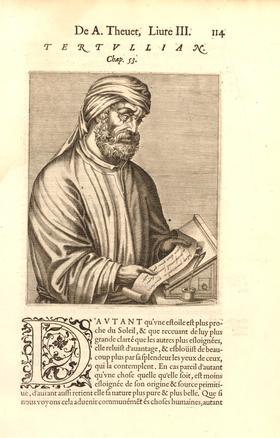
1992
Miracle

What the Church teaches about the Eucharist: the real presence

Catechism of the Catholic Church CCC 1374

“In the most blessed sacrament of the Eucharist "the body and blood, together with the soul and divinity, of our Lord Jesus Christ and, therefore, the whole Christ is truly, really, and substantially contained." "This presence is called 'real' - by which is not intended to exclude the other types of presence as if they could not be 'real' too, but because it is presence in the fullest sense: that is to say, it is a substantial presence by which Christ, God and man, makes himself wholly and entirely present."”

Read it in the source: vatican.va

See it on the timeline: Eucharistic miracles
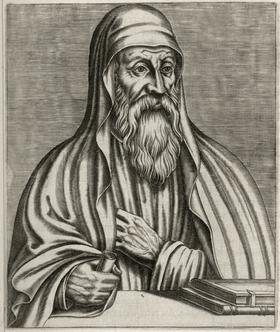
1992
Miracle

What the Church teaches about the Eucharist: transubstantiation

Catechism of the Catholic Church CCC 1376

“The Council of Trent summarizes the Catholic faith by declaring: "Because Christ our Redeemer said that it was truly his body that he was offering under the species of bread, it has always been the conviction of the Church of God, and this holy Council now declares again, that by the consecration of the bread and wine there takes place a change of the whole substance of the bread into the substance of the body of Christ our Lord and of the whole substance of the wine into the substance of his blood. This change the holy Catholic Church has fittingly and properly called transubstantiation."”

Read it in the source: vatican.va

See it on the timeline: Eucharistic miracles
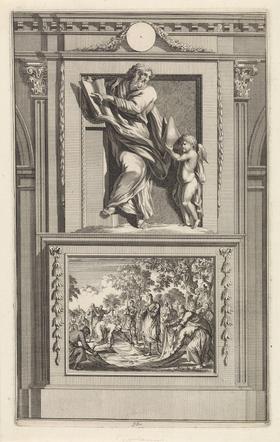
November 1992
Miracle

Bl. Josemaría Escrivá: Dr. Manuel Nevado Rey healed of radiodermatitis

Dicastery for the Causes of Saints Profile of St. Josemaría Escrivá, account of the cause

“On 10 July 1997, the Medical Board of the Congregation for the Causes of Saints drew up, unanimously, this diagnosis: "Cancerization of severe chronic radiodermatitis at the 3rd stage, in an irreversible phase"; and therefore with a certainly unfavourable prognosis. The complete healing of the lesions, confirmed by objective examinations of the patient in 1992, 1994 and 1997, was declared by the Medical Board "very rapid, complete and lasting, scientifically inexplicable".”

Our translation. The words as written, in Italian:

“Il 10 luglio 1997, la Consulta Medica della Congregazione delle Cause dei Santi redasse, all’unanimità, questa diagnosi: “Cancerizzazione di radiodermite cronica grave al 3º stadio, in fase d’irreversibilità”; e pertanto con una prognosi sicuramente infausta. La guarigione completa delle lesioni, confermata dagli esami obiettivi del paziente nel 1992, 1994 e 1997, è stata dichiarata dalla Consulta Medica “molto rapida, completa e duratura, scientificamente inspiegabile”.”

Case
Dr. Manuel Nevado Rey, a Spanish orthopaedic surgeon born in 1932, with chronic radiodermatitis of the hands from years of exposure to X-rays. The lesions disappeared in about fifteen days in November 1992. He had received no treatment
Investigation
Canonical process in the Archdiocese of Badajoz, concluded in 1994
Medical finding
Medical Board, 10 July 1997, unanimously: healing "very rapid, complete and lasting, scientifically inexplicable", confirmed by examinations in 1992, 1994 and 1997
Church ruling
Theological consultors, unanimously affirmative, 9 January 1998; cardinals and bishops 21 September 2001; decree approved by John Paul II. Canonized 6 October 2002

Read it in the source: Dicastery for the Causes of Saints

See it on the timeline: Miracles approved for canonizations

inquiry 1994 to 1995
Miracle

Bl. Giovanni Battista Scalabrini: a religious sister healed of ovarian cancer

Dicastery for the Causes of Saints Profile of St. Giovanni Battista Scalabrini, account of the cause

“On 5 December of the following year the Medical Board reached a unanimous conclusion on the scientifically inexplicable character of the rapid, complete and lasting healing of the sister.”

Our translation. The words as written, in Italian:

“Il 5 dicembre dell’anno seguente la Consulta Medica giunse a conclusione unanime circa il carattere scientificamente inspiegabile della rapida, completa e duratura guarigione della religiosa.”

Case
A religious sister with poorly differentiated right ovarian adenocarcinoma at an advanced stage, diffuse peritoneal carcinosis, omental and hepatic metastases, and ascites
Investigation
Diocesan inquiry by the Bishop of Piacenza, 23 December 1994 to 5 June 1995, judged valid 13 October 1995
Medical finding
Medical Board, 5 December 1996, unanimously: rapid, complete and lasting healing, scientifically inexplicable
Church ruling
Theological consultors 21 March 1997; cardinals and bishops 3 June 1997; decree on the miracle authorized by John Paul II, 7 July 1997

Read it in the source: Dicastery for the Causes of Saints

See it on the timeline: Miracles approved for canonizations

inquiry 1996 to 1997A black and white photograph of a young bearded Capuchin friar with his arms crossed, a dark wound on the back of each hand
Miracle

Bl. Pio of Pietrelcina: the healing of Consiglia De Martino

Dicastery for the Causes of Saints Profile of St. Pio of Pietrelcina, account of the cause

“For the beatification of Padre Pio, the Postulation presented to the competent Dicastery the healing of Mrs. Consiglia De Martino of Salerno. A regular canonical Process on the case was held at the Ecclesiastical Tribunal of the archdiocese of Salerno-Campagna-Acerno from July 1996 to June 1997. On 30 April 1998 the examination by the Medical Board took place at the Congregation for the Causes of Saints, and on 22 June of the same year the special Congress of the Theological Consultors. On the following 20 October, in the Vatican, the ordinary Congregation of the Cardinals and Bishops, members of the Dicastery, met, and on 21 December 1998 the Decree on the miracle was promulgated in the presence of John Paul II.”

Our translation. The words as written, in Italian:

“Per la beatificazione di Padre Pio, la Postulazione ha presentato al competente Dicastero la guarigione della signora Consiglia De Martino di Salerno. Sul caso fu celebrato regolare Processo canonico presso il Tribunale Ecclesiastico dell'arcidiocesi di Salerno-Campagna-Acerno dal luglio 1996 al giugno 1997. Il 30 aprile 1998 si tenne, presso la Congregazione delle Cause dei Santi, l'esame della Consulta Medica e il 22 giugno dello stesso anno, il Congresso peculiare dei Consultori Teologi. Il giorno 20 ottobre seguente, in Vaticano, si riunì la Congregazione ordinaria dei Cardinali e dei Vescovi, membri del Dicastero, e il 21 dicembre 1998 fu promulgato, alla presenza di Giovanni Paolo II, il Decreto sul miracolo.”

Case
Consiglia De Martino of Salerno. The page gives no diagnosis
Investigation
Canonical process at the Ecclesiastical Tribunal of Salerno-Campagna-Acerno, July 1996 to June 1997
Medical finding
Examined by the Medical Board on 30 April 1998. The page does not quote its finding
Church ruling
Theological consultors 22 June 1998; cardinals and bishops 20 October 1998; decree on the miracle promulgated 21 December 1998

Read it in the source: Dicastery for the Causes of Saints

See it on the timeline: Miracles approved for canonizations

studied from 1999
Miracle

Buenos Aires and Tixtla

Vatican News (Francesca Merlo) Eucharistic miracles: Faith is not humbled by science, 30 October 2018

“Ricardo Castañón Gómez, contacted in 1999 in Buenos Aires, Argentina, to study the host that had turned red after it had been placed in water, to this day is unable to explain this occurrence, at least not through science. One explanation, chosen by many, including the initially skeptical Mexican Bishop Alejo Zavala Castro, is simply that “this is what God wanted”, and that this is “Him, showing us He loves us”.”

Scientific study
Ricardo Castañón Gómez was contacted in 1999 in Buenos Aires to study a host that had turned red after being placed in water. The page gives no laboratory report
Church ruling
None is reported on the page

Read it in the source: vaticannews.va

See it on the timeline: Eucharistic miracles
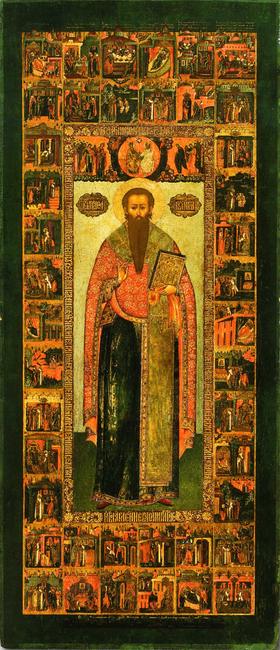
inquiry 1999 to 2002A smiling old woman in a white sari edged with blue stripes
Miracle

Bl. Teresa of Calcutta: the healing of Monica Besra

Dicastery for the Causes of Saints Profile of St. Teresa of Calcutta, account of the cause

“The diocesan Inquiry into the alleged miracle was conducted at the diocesan Curia of Calcutta, from November 1999 to January 2002, and concerned the inexplicable healing of Mrs. Monica Besra from a tumorous abdominal swelling. The case was submitted to the examination of the Experts of the Medical Board on 19 June 2002 and to that of the Theological Consultors on 6 September 2002. The Cardinals and Bishops in the Ordinary Session of 1 October 2002 recognized the inexplicability of the event and the intercession of the Venerable Servant of God.”

Our translation. The words as written, in Italian:

“L’Inchiesta diocesana sul presunto miracolo è stata istruita presso la Curia diocesana di Calcutta, dal novembre 1999 al gennaio 2002, e riguardava l’inspiegabile guarigione da una tumorale tumefazione addominale della Sig.ra Monica Besra. Il caso fu sottoposto all’esame dei Periti della Consulta medica il 19 giugno 2002 e a quello dei Consultori Teologi il 6 settembre 2002. I Cardinali e Vescovi nella Sessione Ordinaria del 1° ottobre 2002 hanno riconosciuto l’inspiegabilità dell’evento e l’intercessione della Venerabile Serva di Dio.”

Case
Monica Besra, healed of a tumorous abdominal swelling
Investigation
Diocesan inquiry at the Curia of Calcutta, November 1999 to January 2002
Medical finding
Examined by the experts of the Medical Board on 19 June 2002
Church ruling
Theological consultors 6 September 2002; cardinals and bishops 1 October 2002; recognized as a true miracle by John Paul II on 20 December 2002. Beatified 19 October 2003

Read it in the source: Dicastery for the Causes of Saints

See it on the timeline: Miracles approved for canonizations

2000
Miracle

How the Church weighs an approved apparition

Congregation for the Doctrine of the Faith The Message of Fatima, Theological Commentary by Cardinal Joseph Ratzinger, 26 June 2000

“An assent of Catholic faith is not due to revelations approved in this way; it is not even possible. These revelations seek rather an assent of human faith in keeping with the requirements of prudence, which puts them before us as probable and credible to piety … Such a message can be a genuine help in understanding the Gospel and living it better at a particular moment in time; therefore it should not be disregarded. It is a help which is offered, but which one is not obliged to use.”

Read it in the source: vatican.va

See it on the timeline: Marian apparitions

inquiry 2000A black and white photograph of a young bearded Capuchin friar with his arms crossed, a dark wound on the back of each hand
Miracle

St. Pio of Pietrelcina: the healing of the child Matteo Pio Colella

Dicastery for the Causes of Saints Profile of St. Pio of Pietrelcina, account of the cause

“For the canonization of Blessed Pio of Pietrelcina, the Postulation presented to the competent Dicastery the healing of the little Matteo Pio Colella of San Giovanni Rotondo. A regular canonical Process on the case was held at the ecclesiastical Tribunal of the archdiocese of Manfredonia-Vieste from 11 June to 17 October 2000. On the following 23 October the documentation was delivered to the Congregation for the Causes of Saints. On 22 November 2001 the examination by the Medical Board took place at the Congregation for the Causes of Saints.”

Our translation. The words as written, in Italian:

“Per la canonizzazione del Beato Pio da Pietrelcina, la Postulazione ha presentato al competente Dicastero la guarigione del piccolo Matteo Pio Colella di San Giovanni Rotondo. Sul caso è stato celebrato regolare Processo canonico presso il Tribunale ecclesiastico dell'arcidiocesi di Manfredonia-Vieste dall'11 giugno al 17 ottobre 2000. Il 23 ottobre successivo la documentazione è stata consegnata alla Congregazione delle Cause dei Santi. Il 22 novembre 2001 si è tenuto, presso la Congregazione delle Cause dei Santi, l'esame della Consulta Medica.”

Case
The child Matteo Pio Colella of San Giovanni Rotondo. The page gives no diagnosis
Investigation
Canonical process at the ecclesiastical Tribunal of Manfredonia-Vieste, 11 June to 17 October 2000
Medical finding
Examined by the Medical Board on 22 November 2001. The page does not quote its finding
Church ruling
Theological consultors 11 December 2001; cardinals and bishops 18 December 2001; decree on the miracle promulgated 20 December 2001 in the presence of John Paul II

Read it in the source: Dicastery for the Causes of Saints

See it on the timeline: Miracles approved for canonizations

2001A colour photograph of a pope in a red cape trimmed with white fur and an embroidered stole
Miracle

Ven. Paul VI: a healing in the United States

Dicastery for the Causes of Saints Profile of St. Paul VI, account of the cause

“With a view to the beatification, the Postulation had meanwhile presented for study to the Congregation for the Causes of Saints an asserted miraculous healing, which took place in the United States in 2001, which the Medical Board of the Dicastery, on 12 December 2013, recognized as scientifically inexplicable. On 18 February 2014, the Theological Consultors, meeting in special Congress, found that this healing was to be attributed to the intercession of the Venerable Servant of God, and the Cardinal and Bishop Fathers, gathered in the Ordinary Session of 6 May 2014, judged it a true miracle. Finally, Pope Francis authorized the Congregation for the Causes of Saints to promulgate the relevant decree on 9 May 2014.”

Our translation. The words as written, in Italian:

“In vista della beatificazione, la Postulazione aveva intanto presentato allo studio della Congregazione delle Cause dei Santi un’asserita guarigione miracolosa, avvenuta negli Stati Uniti nel 2001, che la Consulta Medica del Dicastero, il 12 dicembre 2013, riconobbe scientificamente inspiegabile. Il 18 febbraio 2014, i Consultori Teologi, riuniti nel Congresso peculiare, constatarono che tale guarigione era da attribuirsi all’intercessione del Venerabile Servo di Dio e i Padri Cardinali e Vescovi, radunati nella Sessione Ordinaria del 6 maggio 2014 la giudicarono vero miracolo. Infine, Papa Francesco autorizzò la Congregazione delle Cause dei Santi a promulgare il relativo decreto il 9 maggio 2014.”

Case
A healing in the United States in 2001
Medical finding
Medical Board, 12 December 2013: recognized as scientifically inexplicable
Church ruling
Theological consultors 18 February 2014; cardinals and bishops 6 May 2014; decree authorized by Pope Francis, 9 May 2014. Beatified 19 October 2014

Read it in the source: Dicastery for the Causes of Saints

See it on the timeline: Miracles approved for canonizations

July 2002A black and white photograph of a young Carmelite nun standing in a garden with her hands joined
Miracle

Bl. Elizabeth of the Trinity: a woman with Sjögren's syndrome

Dicastery for the Causes of Saints Profile of St. Elizabeth of the Trinity, account of the cause

“With a view to the Canonization, the Postulation presented to the Congregation for the Causes of Saints a diocesan Inquiry conducted at Dijon (France) in 2012 on the case of the alleged miraculous healing of a woman suffering from "Sjögren's syndrome", with salivary dryness (xerostomia), which prevented her from eating solid food, a neurogenic bladder which prevented normal urination, and motor impairment. During a pilgrimage made in July of the year 2002 to Flavignerot, where some decades ago the nuns moved from the Discalced Carmelite monastery of Dijon in which Blessed Elizabeth lived, to whom the healed woman is very devoted, she suddenly felt herself freed from her illness and could instantly resume the normal vital functions which by then were impeded. The Medical Board examined the case on 29 October 2015, unanimously holding the fact to be scientifically inexplicable.”

Our translation. The words as written, in Italian:

“In vista della Canonizzazione, la Postulazione ha presentato alla Congregazione delle Cause dei Santi un’Inchiesta diocesana istruita a Digione (Francia) nel 2012 sul caso della presunta guarigione miracolosa di una signora affetta dalla “Sindrome di Sjøgren”, con secchezza salivare (xerostomia), che le impediva di mangiare cibi solidi, vescica neurogena che le impediva una normale minzione, impacci motori. Durante un pellegrinaggio svolto nel luglio dell’anno 2002 a Flavignerot, dove da alcuni decenni si sono trasferite le monache del monastero carmelitano scalzo di Digione in cui visse la Beata Elisabetta, di cui la sanata è molto devota, improvvisamente si sentì liberare dalla sua malattia e poté istantaneamente riprendere le normali funzioni vitali che oramai le erano impedite. La Consulta Medica ha esaminato il caso il 29 ottobre 2015 ritenendo unanimemente il fatto scientificamente inspiegabile.”

Case
A woman with Sjögren's syndrome, at Flavignerot, France, July 2002
Investigation
Diocesan inquiry at Dijon in 2012
Medical finding
Medical Board, 29 October 2015, unanimously: scientifically inexplicable
Church ruling
Theological consultors, unanimously positive, 15 December 2015; cardinals and bishops 9 February 2016; decree on the miracle authorized by Pope Francis, 3 March 2016

Read it in the source: Dicastery for the Causes of Saints

See it on the timeline: Miracles approved for canonizations

2004
Miracle

Bl. Nunzio Sulprizio: a young man in a vegetative state after a motorcycle accident

Dicastery for the Causes of Saints Profile of St. Nunzio Sulprizio, account of the cause

“From 19 June to 15 July 2015, at the Curia of Taranto, the diocesan Inquiry was held into the alleged miraculous healing of a young man, from "severe cranio-encephalic trauma, coma, vegetative state", caused by multiple trauma from a road accident with a large-engined motorcycle (2004). On 22 March 2018 the Medical Board declared the healing inexplicable from the scientific point of view.”

Our translation. The words as written, in Italian:

“Dal 19 giugno al 15 luglio 2015, presso la Curia di Taranto, si svolse l’Inchiesta diocesana sulla presunta guarigione miracolosa di un giovane, da “trauma cranio-encefalico grave, coma, stato vegetativo”, causato da politrauma provocato da incidente stradale con moto di grossa cilindrata (2004). Il 22 marzo 2018 la Consulta Medica dichiarò inspiegabile dal punto di vista scientifico la guarigione.”

Case
A young man injured in a motorcycle accident in 2004
Investigation
Diocesan inquiry at the Curia of Taranto, 19 June to 15 July 2015
Medical finding
Medical Board, 22 March 2018: inexplicable from the scientific point of view
Church ruling
Theological consultors 26 April 2018; cardinals and bishops 5 June 2018; Pope Francis authorized the decree on the miracle (the page gives no date)

Read it in the source: Dicastery for the Causes of Saints

See it on the timeline: Miracles approved for canonizations

2005
Miracle

Bl. Maria Elisabeth Hesselblad: a two-year-old boy in Cuba

Dicastery for the Causes of Saints Profile of St. Maria Elisabeth Hesselblad, account of the cause

“With a view to the Canonization, on 3 February 2014 the diocesan Tribunal was constituted in the diocese of Santa Clara, Cuba, for the canonical Inquiry into the alleged miraculous healing of a two-year-old boy from extrinsic bulbo-medullary compression complicating the neurosurgical operation for removal of a desmoplastic cerebellar medulloblastoma (2005). On 16 April 2015 the Medical Board unanimously recognized the scientific inexplicability of the healing.”

Our translation. The words as written, in Italian:

“In vista della Canonizzazione, il 3 febbraio 2014 fu costituito nella diocesi di Santa Clara, Cuba, il Tribunale diocesano per l’Inchiesta canonica sulla presunta guarigione miracolosa di un bambino di due anni da compressione estrinseca bulbo-midollare complicante l’intervento neurochirurgico di rimozione di medullo-blastoma desmoplastico cerebellare (2005). Il 16 aprile 2015 la Consulta Medica riconobbe all’unanimità l’inspiegabilità scientifica della guarigione.”

Case
A boy of two, diocese of Santa Clara, Cuba, 2005
Investigation
Diocesan tribunal constituted at Santa Clara on 3 February 2014
Medical finding
Medical Board, 16 April 2015, unanimously: scientifically inexplicable
Church ruling
Theological consultors, unanimously affirmative, 18 June 2015; cardinals and bishops 27 October 2015; decree on the miracle authorized by Pope Francis, 14 December 2015

Read it in the source: Dicastery for the Causes of Saints

See it on the timeline: Miracles approved for canonizations

before 2006
Miracle

St. Carlo Acutis and his exhibition of Eucharistic miracles
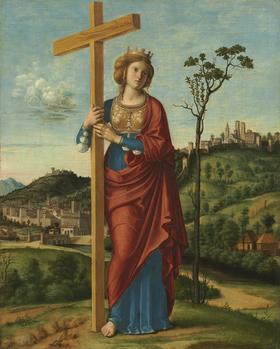
Dicastery for the Causes of Saints Carlo Acutis (1991-2006), biography

“So it was that, as an apostle of the Eucharist, Carlo chose to use his gift for computing to design and produce an international exhibition on "Eucharistic miracles". It is a large photographic survey with historical descriptions, which presents a number of the main Eucharistic miracles (about 136) that have occurred over the centuries in countries around the world and are recognized by the Church.”
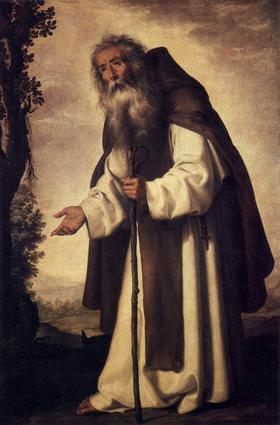
Our translation. The words as written, in Italian:

“Fu così che quale apostolo dell’Eucaristia, Carlo scelse di utilizzare il suo genio informatico per progettare e realizzare una mostra internazionale sui “Miracoli eucaristici”. Si tratta di un’ampia rassegna fotografica con descrizioni storiche, che presenta diversi dei principali miracoli eucaristici (circa 136) verificatisi nel corso dei secoli in Paesi sparsi nel mondo e riconosciuti dalla Chiesa.”

Read it in the source: Dicastery for the Causes of Saints

See it on the timeline: Eucharistic miracles

canonized 2007
Miracle

St. Simon of Lipnica, Franciscan priest

Dicastery for the Causes of Saints Profile of St. Simon of Lipnica, account of the cause

“The cause for his canonization, taken up again by the Holy Father Pius XII on 25 June 1948, today reaches its happy conclusion, following the recognition of his heroic virtues and of the prodigious healing that took place in Kraków in 1943 and is attributed to the intercession of the Blessed. The respective Decrees were promulgated by the Holy Father Benedict XVI on 19 December 2005 and 16 December 2006.”

Our translation. The words as written, in Italian:

“La causa per la sua canonizzazione, ripresa dal Santo Padre Pio XII il 25 giugno 1948, giunge oggi alla sua felice conclusione, in seguito al riconoscimento delle sue virtù eroiche e della guarigione prodigiosa avvenuta a Cracovia nel 1943 e attribuita all’intercessione del Beato. I rispettivi Decreti furono promulgati dal Santo Padre Benedetto XVI il 19 dicembre 2005 e il 16 dicembre 2006.”

Case
A healing in Kraków in 1943
Church ruling
Cult confirmed by Innocent XI on 24 February 1685. Decree on heroic virtues 19 December 2005 and decree on the miracle 16 December 2006, both promulgated by Benedict XVI. Canonized 3 June 2007

Read it in the source: Dicastery for the Causes of Saints

See it on the timeline: Saints of the high Middle Ages, 1050 to 1500

17 May 2007The front of St. Peter's Basilica and its dome under a grey sky, seen across the wet square
Miracle

How a miracle is tested: the healed person is examined again

Congregation for the Causes of Saints Instruction Sanctorum Mater, arts. 109 §1 and 110 §1

“Art. 109 §1. If still alive, the person healed must be examined separately by two medical experts, called experts ab inspectione … Art. 110 §1. With all the clinical and technical means available, the two experts ab inspectione must verify only the present state of health of the person healed. Particular reference to the pathology from which the person was cured is to be made in order to ascertain the present state of health of the person healed and the duration of the healing”

Investigation
The bishop must nominate a Medical Expert for the inquiry (art. 60 §1). Medical and clinical documents and test results are necessary (art. 38 §2)
Medical finding
Two medical experts, called experts ab inspectione, each examine the healed person separately

Read it in the source: Dicastery for the Causes of Saints

See it on the timeline: Miracles approved for canonizations

reported 2007A young woman in a dark blue shawl and a long tunic stands holding a small cross, with a river and a church behind her
Miracle

Bl. Kateri Tekakwitha: the boy Jacob Finkbonner

Dicastery for the Causes of Saints Profile of St. Kateri Tekakwitha, account of the cause

“In the spring of 2007 there were sent to the Postulator of the Cause some documents concerning an extraordinary case of the healing of the boy Jacob Finkbonner from "necrotizing fasciitis of the face", which occurred at Seattle (USA) and was attributed to the intercession of Blessed Kateri Tekakwitha. … The Medical Board, meeting on 15 September 2011, pronounced unanimously on the "scientifically inexplicable" healing of the boy Jacob Finkbonner.”

Our translation. The words as written, in Italian:

“Nella primavera del 2007 vennero trasmessi al Postulatore della Causa alcuni documenti riguardanti un caso straordinario di guarigione del bambino Jacob Finkbonner da “fascite necrotizzante facciale” verifìcatosi a Seattle (USA) ed attribuita alla intercessione della Beata Kateri Tekakwitha. … La Consulta Medica, riunitasi il 15 settembre 2011, si pronunciò all’unanimità sulla “scientificamente inspiegabile” guarigione del bambino Jacob Finkbonner.”

Case
The boy Jacob Finkbonner, Seattle, necrotizing fasciitis of the face
Witnesses
Four specialist doctors of the Craniofacial Surgical Team of the Children's Hospital of Seattle were consulted by the Archbishop
Investigation
Diocesan inquiry at the Curia of Seattle, September 2007 to May 2008, and a supplementary inquiry, 28 August 2008 to 26 June 2009; recognized as valid 12 February 2010
Medical finding
Medical Board, 15 September 2011, unanimously: "scientifically inexplicable"
Church ruling
Theologians 8 November 2011; cardinals and bishops 13 December 2011; Benedict XVI authorized the decree on the miracle (the page gives no date)

Read it in the source: Dicastery for the Causes of Saints

See it on the timeline: Miracles approved for canonizations

12 October 2008A white and pale green altarpiece with columns and statues inside a church
Miracle

The Eucharistic event at Sokółka

Metropolitan Curia of Białystok (Fr. Andrzej Kakareko, chancellor) Communiqué, Białystok, 14 October 2009

“On 7 January 2009 a sample was taken from the Host, and it was then examined independently by two professors, specialists in pathomorphology, of the Medical University of Białystok. They gave a concordant finding, which reads: "the material sent for assessment (…) in the judgment of two independent pathomorphologists (…) indicates heart muscle tissue, or at least, of all the living tissues of the organism, it most resembles it". The Commission established that the Host from which the sample for the expert report was taken is the same one that was moved from the sacristy to the tabernacle in the chapel of the rectory. No interference by outside persons was found. The records of the case have been sent to the Apostolic Nunciature in Warsaw. The event at Sokółka does not contradict the faith of the Church, but rather confirms it.”

Our translation. The words as written, in Polish:

“Dnia 7 stycznia 2009 roku z Komunikantu pobrano próbkę, która następnie została niezależnie zbadana przez dwóch profesorów specjalistów patomorfologów z Uniwersytetu Medycznego w Białymstoku. Wydali oni zgodne orzeczenie, które brzmi: „przysłany do oceny materiał (…) w ocenie dwóch niezależnych patomorfologów (…) wskazuje na tkankę mięśnia sercowego, a przynajmniej, ze wszystkich tkanek żywych organizmu najbardziej ją przypomina”. Komisja ustaliła, że Komunikant, z którego została pobrana próbka do ekspertyzy jest tym samym, który został przeniesiony z zakrystii do tabernakulum w kaplicy na plebanii. Ingerencji osób postronnych nie stwierdzono. Akta sprawy zostały przekazane do Nuncjatury Apostolskiej w Warszawie. Wydarzenie z Sokółki nie sprzeciwia się wierze Kościoła, a raczej ją potwierdza.”

Witnesses
On 12 October 2008 a Host fell from the ciborium of a priest giving Communion and was put in water. On 19 October a stain that looked like blood was seen on it
Investigation
A Church Commission appointed by Archbishop Edward Ozorowski on 30 March 2009. It examined the witnesses and the pathologists' findings, and found no interference by outsiders
Scientific study
Sample taken 7 January 2009 and examined independently by two professors of pathomorphology at the Medical University of Białystok, who are not named in the communiqué
Church ruling
The Curia states that the event does not contradict the faith of the Church but rather confirms it. The records were sent to the Apostolic Nunciature in Warsaw

Read it in the source: sokolka.archibial.pl

See it on the timeline: Eucharistic miracles

12 October 2008
Miracle

The Eucharistic event at Sokółka

Shrine of the Blessed Sacrament, Sokółka Historia wydarzenia Eucharystycznego

“The Metropolitan of Białystok, Archbishop Edward Ozorowski, was informed of the event without delay, and he came to Sokółka with the Chancellor of the Curia, senior prelates and priest professors. All were deeply moved by what they saw. The Archbishop directed that the Host be secured, and that they wait and observe what would happen to it next. … The Host was kept in this way for three years, until it was solemnly transferred to the church on 2 October 2011.”

Our translation. The words as written, in Polish:

“Bezzwłocznie powiadomiono o wydarzeniu Metropolitę Białostockiego, księdza Arcybiskupa Edwarda Ozorowskiego, który przybył do Sokółki wraz z Kanclerzem Kurii, księżmi infułatami i księżmi profesorami. Wszyscy byli głęboko poruszeni tym, co zobaczyli. Ks. Arcybiskup zalecił Komunikant zabezpieczyć oraz czekać i obserwować, co dalej będzie się z Nim działo. … Komunikant był w ten sposób przechowywany przez trzy lata, aż do uroczystego przeniesienia go do kościoła 2 października 2011 roku.”

Witnesses
Sister Julia Dubowska, sacristan, of the Eucharistic Sisters, who opened the safe on 19 October 2008; the parish priest, Fr. Stanisław Gniedziejko; and Fr. Ryszard Górowski with the local priests
Investigation
In January 2009 the Archbishop ordered a pathomorphological examination, and on 30 March 2009 he appointed a Church Commission
Church ruling
On 9 April 2009 the Archbishop raised the church of St. Anthony of Padua to the rank of collegiate church
Where it can be seen
The church of St. Anthony of Padua in Sokółka, to which the Host was transferred on 2 October 2011

Read it in the source: sokolka.archibial.pl

See it on the timeline: Eucharistic miracles

2008
Miracle

Bl. Louis and Zélie Martin: a girl born prematurely in Spain

Dicastery for the Causes of Saints Profile of Sts. Louis Martin and Zélie Guérin, account of the cause

“on an alleged miraculous healing of a girl, born prematurely in 2008, suffering from a severe grade IV cerebral haemorrhage, which was followed by multiple complications. The girl's parents, having received an unfavourable diagnosis as to life, turned at once to God and to Our Lady. After coming to know the Discalced Carmelite nuns of the monastery of Serra, parents, relatives and friends began a novena of prayer to Blesseds Louis Martin and Marie Zélie Guérin. From that moment there was a rapid and progressive recovery of the girl up to her unhoped-for healing. … The Medical Board examined the case on 30 October 2014, unanimously holding the fact to be scientifically inexplicable.”

Our translation. The words as written, in Italian:

“su una presunta guarigione miracolosa di una bambina, nata prematura nel 2008, affetta da grave emorragia cerebrale di IV grado, cui fecero seguito molteplici complicazioni. I genitori della bambina, ricevuta una diagnosi infausta quoad vitam, si rivolsero immediatamente a Dio e alla Madonna. In seguito alla conoscenza delle monache Carmelitane Scalze del monastero di Serra, genitori, familiari e amici iniziarono una novena di preghiera ai beati Ludovico Martin e Maria Zelia Guérin. Da quel momento si verificò un rapido e progressivo recupero della bambina fino alla sua insperata guarigione. … La Consulta Medica ha esaminato il caso il 30 ottobre 2014 ritenendo unanimemente il fatto scientificamente inspiegabile.”

Case
A girl born prematurely in 2008 with a grade IV cerebral haemorrhage
Investigation
Diocesan inquiry at Valencia, Spain, in 2013
Medical finding
Medical Board, 30 October 2014, unanimously: scientifically inexplicable
Church ruling
Theological consultors, unanimously positive, 16 December 2014; cardinals and bishops 14 February 2015; decree on the miracle authorized by Pope Francis, 18 March 2015

Read it in the source: Dicastery for the Causes of Saints

See it on the timeline: Miracles approved for canonizations

2010A white-haired pope in a white cassock and skullcap, smiling
Miracle

What Church approval of a private revelation means

Pope Benedict XVI Apostolic Exhortation Verbum Domini, 14 (30 September 2010)

“Ecclesiastical approval of a private revelation essentially means that its message contains nothing contrary to faith and morals; it is licit to make it public and the faithful are authorized to give to it their prudent adhesion. A private revelation can introduce new emphases, give rise to new forms of piety, or deepen older ones. … It is a help which is proffered, but its use is not obligatory.”

Read it in the source: vatican.va

See it on the timeline: Marian apparitions

1 May 2011An elderly pope in green vestments and a white and gold mitre raises his hand in greeting, holding his staff with the crucifix
Miracle

Bl. John Paul II: a woman with a cerebral aneurysm

Dicastery for the Causes of Saints Profile of St. John Paul II, account of the cause

“Among the testimonies received after the beatification there was identified the case of the healing of a Latin American woman, in whom a "fusiform cerebral aneurysm" was established. Following prayers raised through the intercession of John Paul II, on the very day of his beatification, the aneurysm disappeared totally. The diocesan inquiry was conducted from 20 November to 2 December 2012. The Congregation for the Causes of Saints recognized its validity by decree of 12 February 2013. The Medical Board of the Dicastery, in the meeting of 28 February 2013, expressed, unanimously, a favourable opinion on the scientific inexplicability of the healing.”

Our translation. The words as written, in Italian:

“Tra le testimonianze pervenute dopo la beatificazione è stato individuato il caso della guarigione di una donna latino-americana, alla quale fu accertato “aneurisma cerebrale fusiforme”. A seguito delle preghiere innalzate per intercessione di Giovanni Paolo II, il giorno stesso della sua beatificazione, l’aneurisma è scomparso totalmente. L’inchiesta diocesana fu istruita dal 20 novembre al 2 dicembre 2012. La Congregazione delle Cause dei Santi ne ha riconosciuto la validità con decreto del 12 febbraio 2013. La Consulta Medica del Dicastero, nella riunione del 28 febbraio 2013, ha espresso, all’unanimità, parere favorevole circa 1’inspiegabilità scientifica della guarigione.”

Case
A Latin American woman with a fusiform cerebral aneurysm, on the day of the beatification, 1 May 2011
Investigation
Diocesan inquiry, 20 November to 2 December 2012, recognized as valid 12 February 2013
Medical finding
Medical Board, 28 February 2013, unanimously favourable on the scientific inexplicability of the healing
Church ruling
Theological consultors, unanimously, 10 April 2013; cardinals and bishops 2 July 2013; decree on the miracle authorized by Pope Francis, 5 July 2013

Read it in the source: Dicastery for the Causes of Saints

See it on the timeline: Miracles approved for canonizations

canonized 2012A young woman in a dark blue shawl and a long tunic stands holding a small cross, with a river and a church behind her
Miracle

St. Kateri Tekakwitha, Mohawk virgin

Dicastery for the Causes of Saints Profile of St. Kateri Tekakwitha, account of the cause

“On 23 August 1973, Pope Paul VI directed that the question be submitted to the judgment of the Cardinals and, having obtained a favourable opinion, on 19 December 1977 he made known his intention to proceed to the beatification with a dispensation from the two miracles, on the basis of a solid and proven "fama miraculorum" (reputation for miracles), since she is an important figure of the beginnings of the Church in North America. The Supreme Pontiff John Paul II, on 15 March 1980, therefore granted the dispensation from the specific proof of miracles and, the wide and documented "reputation for miracles" having been shown, celebrated the rite of beatification in St. Peter's on 22 June 1980.”

Our translation. The words as written, in Italian:

“Il 23 agosto 1973, Papa Paolo VI diede disposizione che la questione venisse sottoposta al giudizio dei Cardinali e, ottenuto parere favorevole, il 19 dicembre 1977 manifestò l’intenzione di procedere alla beatificazione con la dispensa dai due miracoli, sul fondamento di una solida e provata esistenza della “fama miraculorum”, trattandosi di una figura rilevante delle origini della Chiesa dell’America del Nord. Il Sommo Pontefice Giovanni Paolo II, il 15 marzo 1980, concesse quindi la dispensa della prova specifica dei miracoli e, dimostrata l’ampia e documentata “fama dei miracoli”, celebrò il rito di beatificazione in San Pietro il 22 giugno 1980.”

Investigation
Two processes on alleged miracles were held in 1942 and 1945, in the dioceses of Hamilton (Canada) and Marquette (USA)
Church ruling
Beatified on 22 June 1980 with a dispensation from the specific proof of miracles

Read it in the source: Dicastery for the Causes of Saints

See it on the timeline: Saints of reform and mission, 1500 to 1800

canonized 2013
Miracle

St. Laura Montoya, missionary and foundress in Colombia

Dicastery for the Causes of Saints Profile of St. Laura of St. Catherine of Siena (Laura Montoya y Upegui), account of the cause (canonization)

“For the canonization of Blessed Laura Montoya there was presented to the Congregation for the Causes of Saints the asserted inexplicable healing of Prof. Carlos Eduardo Restrepo from "perforation of the oesophagus and mediastinitis in a severely immunosuppressed patient with an overlap syndrome: systemic lupus erythematosus, nephrotic syndrome, autoimmune polymyositis resistant to therapy". … In the Session of 14 June 2012, after many specialist examinations had meanwhile been requested and carried out both on the nature of the illness and on the present state of health of the man healed, the Medical Board of the Congregation for the Causes of Saints, with all agreed, recognized the event as "scientifically inexplicable".”

Our translation. The words as written, in Italian:

“Per la canonizzazione della Beata Laura Montoya è stata presentata alla Congregazione delle Cause dei Santi l’asserita inspiegabile guarigione del Prof. Carlos Eduardo Restrepo da “perforazione esofagea e mediastinite in paziente gravemente immunosoppresso, portatore di sindrome da sovrapposizione: lupus eritematoso sistemico, sindrome nefrosica, polimiosite autoimmune refrattaria alla terapia”. … Nella Seduta del 14 giugno 2012, dopo che nel frattempo erano stati richiesti ed eseguiti molti esami specialistici sia sulla natura della malattia che sull’attuale stato di salute del sanato, la Consulta Medica della Congregazione delle Cause dei Santi all’unanimità ha riconosciuto l’evento “inspiegabile scientificamente”.”

Case
Professor Carlos Eduardo Restrepo: a perforated oesophagus and mediastinitis, in a patient whose immunity was severely suppressed and who had lupus, nephrotic syndrome and autoimmune polymyositis
Investigation
Diocesan inquiry at the Curia of Medellín, 2005 to 2006; juridical validity decreed 7 November 2008
Medical finding
Medical Board, 14 June 2012, all agreed: the event scientifically inexplicable
Church ruling
Theological consultors 22 September 2012 and cardinals and bishops 10 December 2012, all agreed. Benedict XVI authorized the decree on the miracle on 20 December 2012

Read it in the source: Dicastery for the Causes of Saints

See it on the timeline: Saints of the modern age, 1800 to today

25 December 2013A red brick church with a tall green spire under a sky of white clouds
Miracle

The Eucharistic event at Legnica

Fr. Bogusław Drożdż, quoting the communiqué of Bishop Zbigniew Kiernikowski Wydarzenie eucharystyczne w Legnicy – spojrzenie pastoralne, Perspectiva. Legnickie Studia Teologiczno-Historyczne 16 (2017) no. 1, pp. 35-37

“This communiqué, published on 10 April 2016, spoke "[…] of the event that took place in the parish of St. Hyacinth in Legnica and which has the hallmarks of a Eucharistic miracle" … The tests were carried out independently in two centres: the Department of Forensic Medicine in Wrocław and the Department of Forensic Medicine of the Pomeranian Medical University in Szczecin. In the communiqué Bishop Kiernikowski quoted the final finding of the Department of Forensic Medicine: In the histopathological image, tissue fragments were found containing fragmented parts of striated muscle. … is most similar to heart muscle […] with changes that often accompany the agony”

Our translation. The words as written, in Polish:

“Komunikat ten, ogłoszony 10 kwietnia 2016 r., mówił „[…] o wydarzeniu, jakie zaszło w parafii św. Jacka w Legnicy i które ma znamiona cudu eucharystycznego” … Badania zostały przeprowadzone niezależnie w dwóch ośrodkach: Zakładzie Medycyny Sądowej we Wrocławiu oraz w Zakładzie Medycyny Sądowej Pomorskiego Uniwersytetu Medycznego w Szczecinie. We wspomnianym komunikacie bp Kiernikowski zacytował ostateczne orzeczenie Zakładu Medycyny Sądowej: W obrazie histopatologicznym stwierdzono fragmenty tkankowe zawierające pofragmentowane części mięśnia poprzecznie prążkowanego. … jest najbardziej podobna do mięśnia sercowego […] ze zmianami, które często towarzyszą agonii”

Witnesses
On 25 December 2013 a Host fell from the ciborium of a priest giving Communion and was placed in water. On 5 January 2014 a stain that looked like blood was noticed on it
Investigation
Bishop Stefan Cichy of Legnica appointed a commission of four
Scientific study
The Department of Forensic Medicine in Wrocław and the Department of Forensic Medicine of the Pomeranian Medical University in Szczecin, independently. The article adds that genetic tests point to tissue of human origin
Church ruling
Communiqué of Bishop Zbigniew Kiernikowski, 10 April 2016: an event that "has the hallmarks of a Eucharistic miracle". The matter was presented to the Congregation for the Doctrine of the Faith
Where it can be seen
A reliquary in a side chapel of the sanctuary of St. Hyacinth in Legnica, shown to the faithful since 2 July 2016

Read it in the source: perspectiva.diecezja.legnica.pl

See it on the timeline: Eucharistic miracles

25 December 2013
Miracle

The Eucharistic event at Legnica

Vatican News (Karol Darmoros) Legnica: Relikwia Ciała Pańskiego przyciąga cały świat, 3 July 2026

“The Eucharistic Event in Legnica concerns a Host which fell to the floor on 25 December 2013 during the giving of Holy Communion. After it was placed in a vessel of water, red discolorations appeared. A commission appointed by the Bishop ordered tests, and in his communiqué the then diocesan bishop, Zbigniew Kiernikowski, stated that the histopathological image was "most similar to heart muscle", with changes that "often accompany the agony". Genetic tests pointed to tissue of human origin. In 2016, in keeping with the recommendations of the Holy See, the Bishop of Legnica directed that a place be prepared for the exposition of the Relic, so that the faithful could venerate it.”

Our translation. The words as written, in Polish:

“Wydarzenie Eucharystyczne w Legnicy wiąże się z Hostią, która 25 grudnia 2013 r. upadła na posadzkę podczas udzielania Komunii świętej. Po złożeniu jej w naczyniu z wodą pojawiły się czerwone przebarwienia. Powołana przez Biskupa komisja zleciła badania, a w komunikacie ówczesny ordynariusz Zbigniew Kiernikowski wskazał, że obraz histopatologiczny był „najbardziej podobny do mięśnia sercowego”, ze zmianami, które „często towarzyszą agonii”. Badania genetyczne wskazały na ludzkie pochodzenie tkanki. W 2016 r., zgodnie z zaleceniami Stolicy Apostolskiej, biskup legnicki polecił przygotowanie miejsca wystawienia Relikwii, aby wierni mogli oddawać jej cześć.”

Investigation
A commission appointed by the Bishop ordered the tests
Scientific study
The page gives the result in the bishop's words and adds that genetic tests pointed to human origin. It names no laboratory
Church ruling
In 2016 the Bishop of Legnica had a place prepared for veneration of the relic, in keeping with the recommendations of the Holy See
Where it can be seen
The Sanctuary of St. Hyacinth in Legnica, where the relic has been open to public veneration since 2016

Read it in the source: vaticannews.va

See it on the timeline: Eucharistic miracles

5 July 2013A colour photograph of a smiling elderly pope in a white skullcap and a red cape trimmed with white fur
Miracle

St. John XXIII: canonized without a second miracle

Dicastery for the Causes of Saints Profile of St. John XXIII, account of the cause

“the Postulation addressed to His Holiness Francis the petition that he would decree the hoped-for canonization of the Blessed, dispensing from the study of an alleged miracle, by favour of the Supreme Pontiff. … In the audience granted on 5 July 2013 to the Prefect of the Congregation for the Causes of Saints, Card. Angelo Amato, the Holy Father Francis approved the votes of the aforesaid Ordinary Session and decided to submit the canonization of Blesseds John XXIII and John Paul II to the next Consistory.”

Our translation. The words as written, in Italian:

“la Postulazione ha indirizzato a Sua Santità Francesco la supplica di voler decretare l’auspicata canonizzazione del Beato dispensando dallo studio di un presunto miracolo, pro gratia Summi Pontificis. … Nell’udienza concessa il 5 luglio 2013 al Prefetto della Congregazione delle Cause dei Santi, Card. Angelo Amato, il Santo Padre Francesco approvava i voti della suddetta Sessione Ordinaria e decideva di sottoporre la canonizzazione dei Beati Giovanni XXIII e Giovanni Paolo II al successivo Concistoro.”

Investigation
The Postulation delivered a Positio super Canonizatione to the Congregation on 7 June 2013
Church ruling
Cardinals and bishops in Ordinary Session, 2 July 2013; approved by Pope Francis, 5 July 2013. No second miracle was studied. Canonized 27 April 2014

Read it in the source: Dicastery for the Causes of Saints

See it on the timeline: Miracles approved for canonizations

undated page
Miracle

St. John XXIII: canonized without a second miracle

Dicastery for the Causes of Saints "I passi del cammino verso la santità", approfondimenti, section on canonization (undated page)

“Moreover, the Pope can always take particular decisions. Pope Francis did so in the case of John XXIII, who became a Saint on account of his reputation for holiness, spread for decades throughout the world, without a second miracle being recognized for him.”

Our translation. The words as written, in Italian:

“Inoltre, il Papa può sempre prendere decisioni particolari. Papa Francesco lo ha fatto nei confronti di Giovanni XXIII, che è diventato Santo per la sua fama di santità, diffusa da decenni in tutto il mondo, senza che gli venisse riconosciuto un secondo miracolo.”

Church ruling
Canonized by decision of Pope Francis without a second recognized miracle

Read it in the source: Dicastery for the Causes of Saints

See it on the timeline: Miracles approved for canonizations

15 May 2013A frail old cardinal in scarlet robes and a red skullcap sits facing the viewer
Miracle

Bl. John Henry Newman: a mother in Chicago

Dicastery for the Causes of Saints Profile of St. John Henry Newman, account of the cause

“For this further stage there was examined the alleged miraculous healing of a mother of a family from Chicago, who had for days been suffering from a copious abdominal haemorrhage with suspected miscarriage in progress. At the most dramatic moment she had only the strength to say "Cardinal Newman, help me", upon which there followed, in an instantaneous and scientifically inexplicable manner, the definitive stopping of the haemorrhage. It was 15 May 2013. The diocesan Inquiry was held from 22 June to 26 October 2015. The Medical Board of the Dicastery, in the meeting of 1 March 2018, expressed a favourable opinion on the healing examined, which was held to be instantaneous, perfect and lasting, not scientifically explicable.”

Our translation. The words as written, in Italian:

“Per questa successiva fase è stata presa in esame la presunta guarigione miracolosa di una mamma di famiglia di Chicago, la quale era affetta da giorni da una copiosa emorragia addominale con sospetto travaglio abortivo. Nel momento più drammatico ebbe solo la forza di dire “Cardinale Newman aiutami”, cui seguì, in modo istantaneo e scientificamente inspiegabile, il definito arresto dell’emorragia. Era il 15 maggio 2013. L’Inchiesta diocesana si è svolta dal 22 giugno al 26 ottobre 2015. La Consulta Medica del Dicastero, nella riunione del 1° marzo 2018, ha espresso parere favorevole circa la guarigione esaminata, che è stata ritenuta istantanea, perfetta e duratura, non spiegabile scientificamente.”

Case
A mother from Chicago with a heavy abdominal haemorrhage, 15 May 2013
Investigation
Diocesan inquiry, 22 June to 26 October 2015
Medical finding
Medical Board, 1 March 2018: instantaneous, perfect and lasting, not scientifically explicable
Church ruling
Theological consultors, unanimously affirmative, 11 October 2018; cardinals and bishops 15 January 2019; decree on the miracle authorized by Pope Francis, 12 February 2019

Read it in the source: Dicastery for the Causes of Saints

See it on the timeline: Miracles approved for canonizations

2013
Miracle

Bl. Francisco and Jacinta Marto: a boy in Brazil with a severe head injury

Dicastery for the Causes of Saints Profile of Sts. Francisco and Jacinta Marto, account of the cause

“With a view to the Canonization, from 5 to 13 August 2016 the diocesan Tribunal was constituted at Campo Mourão, Brazil, for the canonical Inquiry into an alleged miraculous healing of a boy from "severe cranio-encephalic trauma, with risk of death or of serious consequences" which took place at Campo Mourão in the year 2013. On 2 February 2017, the Medical Board unanimously recognized the scientific inexplicability of the healing.”

Our translation. The words as written, in Italian:

“In vista della Canonizzazione, dal 5 al 13 agosto 2016 fu costituito a Campo Mourão, Brasile, il Tribunale diocesano per l’Inchiesta canonica su una presunta guarigione miracolosa di un bambino da «trauma cranio-encefalico grave, con rischio di morte o di gravi conseguenze» avvenuta a Campo Mourão nell’anno 2013. Il 2 febbraio 2017, la Consulta Medica riconobbe all’unanimità l’inspiegabilità scientifica della guarigione.”

Case
A boy at Campo Mourão, Brazil, 2013
Investigation
Diocesan tribunal at Campo Mourão, 5 to 13 August 2016
Medical finding
Medical Board, 2 February 2017, unanimously: scientifically inexplicable
Church ruling
Theological consultors, unanimously affirmative, 21 February 2017; cardinals and bishops 21 March 2017; Pope Francis authorized the decree on the miracle (the page gives no date)

Read it in the source: Dicastery for the Causes of Saints

See it on the timeline: Miracles approved for canonizations

canonized 2014
Miracle

St. Kuriakose Elias Chavara, priest and founder in Kerala

Dicastery for the Causes of Saints Profile of St. Kuriakose Elias Chavara of the Holy Family, account of the cause (canonization)

“On 10 July 2010 the Bishop set up a tribunal to inquire into an alleged healing from a squint of the eyes (alternating convergent esotropia) which came to a girl on 16 October 2007 without any therapy or any medicine or the use of glasses, but was attributed solely to the intercession of Blessed Kuriakose Elias Chavara. … In the Medical Board of 26 September 2013, the medical experts, with all agreed, judged the healing "rapid, complete, lasting and not scientifically explicable".”

Our translation. The words as written, in Italian:

“Il Vescovo costituì il 10 luglio 2010 un tribunale per l’indagine su una presunta guarigione da strabismo degli occhi (esotropia alterna convergente) avvenuta a favore di una bambina il 16 ottobre 2007 senza nessuna terapia o qualsiasi medicamento o l’uso degli occhiali, ma attribuita esclusivamente all’intercessione del Beato Kuriakose Elias Chavara. … Nella Consulta Medica del 26 settembre 2013, i periti medici, all’unanimità, hanno giudicato la guarigione “rapida, completa, duratura e non scientificamente spiegabile”.”

Case
A girl with a squint in both eyes, healed on 16 October 2007 without therapy, medicine or glasses
Investigation
Tribunal set up on 10 July 2010 by the Bishop of the Eparchy of Palai; diocesan inquiry held from 16 July to 16 August 2011
Medical finding
Medical Board, 26 September 2013, all agreed: the healing rapid, complete, lasting and not scientifically explicable
Church ruling
Theological consultors 10 December 2013, all agreed; cardinals and bishops 18 March 2014; Pope Francis authorized the decree on the miracle on 3 April 2014

Read it in the source: Dicastery for the Causes of Saints

See it on the timeline: Saints of the modern age, 1800 to today

canonized 2014
Miracle

St. Kuriakose Elias Chavara, priest and founder in Kerala

Dicastery for the Causes of Saints Profile of St. Kuriakose Elias Chavara of the Holy Family, account of the cause (beatification)

“The process on the alleged miraculous healing of the deformed feet (Talipes equinovarus) of a boy was held in the eparchy of Changanacherry. The favourable assessment of the Medical Board is dated 8 November 1984. The decree on the miracle was promulgated by the Congregation on 9 May 1985.”

Our translation. The words as written, in Italian:

“Il processo sulla presunta guarigione miracolosa dei piedi deformati (Talipes equinovarus) di un bambino fu istruito nell’eparchia di Changanacherry. La valutazione favorevole della Consulta Medica è dell’8 novembre 1984. Il decreto sul miracolo è stato promulgato dalla Congregazione il 9 Maggio 1985.”

Case
A boy with deformed feet (clubfoot)
Investigation
Process held in the eparchy of Changanacherry
Medical finding
Medical Board, 8 November 1984: favourable assessment
Church ruling
Decree on the miracle, 9 May 1985. Beatified by John Paul II at Kottayam, Kerala, on 8 February 1986

Read it in the source: Dicastery for the Causes of Saints

See it on the timeline: Saints of the modern age, 1800 to today

canonized 2014An elderly pope in green vestments and a white and gold mitre raises his hand in greeting, holding his staff with the crucifix
Miracle

St. John Paul II, pope

Dicastery for the Causes of Saints Profile of St. John Paul II, account of the cause (beatification)

“With a view to the beatification a healing was presented, attributed to the intercession of the Venerable Servant of God. The Medical Board of 21 October 2010 judged it scientifically inexplicable, and the Theological Consultors, gathered in the Special Congress of 14 December 2010, gave a favourable opinion, attributing this healing to his intercession. The Cardinal and Bishop Fathers, in the Ordinary Session of 11 January 2011, judged it a true miracle.”

Our translation. The words as written, in Italian:

“In vista della beatificazione fu presentata una guarigione, attribuita all’intercessione del Venerabile Servo di Dio. La Consulta Medica del 21 ottobre 2010 la ritenne scientificamente inspiegabile e i Consultori Teologi, radunati nel Congresso Peculiare del 14 dicembre 2010, diedero parere favorevole, attribuendo tale guarigione alla sua intercessione. I Padri Cardinali e Vescovi nella Sessione Ordinaria dell’11 gennaio 2011, la giudicarono vero miracolo.”

Case
A healing presented for the beatification. This paragraph gives no name, place or diagnosis
Medical finding
Medical Board, 21 October 2010: judged scientifically inexplicable
Church ruling
Theological consultors 14 December 2010; cardinals and bishops 11 January 2011; Benedict XVI authorized the decree on 14 January 2011

Read it in the source: Dicastery for the Causes of Saints

See it on the timeline: Saints of the modern age, 1800 to today

25 December 2014A colour photograph of a pope in a red cape trimmed with white fur and an embroidered stole
Miracle

Bl. Paul VI: a child born healthy after a high-risk pregnancy

Dicastery for the Causes of Saints Profile of St. Paul VI, account of the cause

“a further case of high-risk pregnancy with a probable unfavourable outcome on account of "premature preterm rupture of the membranes at the 13th week, complicated by anhydramnios", which ended favourably with the birth of a healthy baby girl on Christmas Day 2014. The diocesan Inquiry was conducted in the Curia of Verona from 7 January to 11 March 2017. The Congregation for the Causes of Saints recognized its validity by decree of 28 April 2017. The Medical Board of the Dicastery, in the meeting of the following 26 October, expressed a unanimous favourable opinion, holding that the birth and the normal development of the newborn are not explicable by current scientific knowledge.”

Our translation. The words as written, in Italian:

“un ulteriore caso di gravidanza ad alto rischio e a probabile esito infausto per “rottura prematura pretermine delle membrane alla 13settimana, complicata da anidramnios”, conclusosi favorevolmente con la nascita di una bambina sana il giorno di Natale del 2014. L’Inchiesta diocesana è stata istruita nella Curia di Verona dal 7 gennaio all’11 marzo 2017. La Congregazione delle Cause dei Santi ne ha riconosciuto la validità con decreto del 28 aprile 2017. La Consulta Medica del Dicastero, nella riunione del 26 ottobre successivo, ha espresso parere favorevole unanime, nel ritenere che la nascita e il normale sviluppo della neonata non sono spiegabili con le attuali conoscenze scientifiche.”

Case
A girl born healthy on 25 December 2014 after rupture of the membranes at the 13th week of pregnancy
Investigation
Diocesan inquiry at the Curia of Verona, 7 January to 11 March 2017, recognized as valid 28 April 2017
Medical finding
Medical Board, 26 October 2017, unanimously: the birth and normal development of the child are not explicable by current scientific knowledge
Church ruling
Theological consultors, unanimously affirmative, 14 December 2017; cardinals and bishops 6 February 2018; Pope Francis authorized the decree on the miracle (the page gives no date)

Read it in the source: Dicastery for the Causes of Saints

See it on the timeline: Miracles approved for canonizations

10 December 2014
Miracle

Bl. Dulce Lopes Pontes: sight restored to a blind right eye

Dicastery for the Causes of Saints Profile of St. Dulce Lopes Pontes, account of the cause

“There was presented to the Congregation for the Causes of Saints a scientifically inexplicable fact, which took place on 10 December 2014. It concerned the healing from "blindness of the right eye from optic atrophy due to terminal glaucoma". … On 10 January 2019 the Medical Board recognized the inexplicability of the case.”

Our translation. The words as written, in Italian:

“Venne presentato alla Congregazione delle Cause dei Santi un fatto scientificamente inspiegabile, avvenuto il 10 dicembre 2014. Si trattava della guarigione da “cecità occhio destro da atrofia ottica per glaucoma terminale”. … Il 10 gennaio 2019 la Consulta Medica ha riconosciuto l’inspiegabilità del caso.”

Case
Healing of blindness of the right eye, 10 December 2014
Investigation
The process was recognized as valid by decree of 3 November 2017
Medical finding
Medical Board, 10 January 2019: recognized the inexplicability of the case
Church ruling
Theological consultors, unanimously affirmative, 21 March 2019; cardinals and bishops 7 May 2019; Pope Francis authorized the decree on the miracle (the page gives no date)

Read it in the source: Dicastery for the Causes of Saints

See it on the timeline: Miracles approved for canonizations

canonized 2015
Miracle

St. Mariam Baouardy (Mary of Jesus Crucified), Carmelite

Dicastery for the Causes of Saints Profile of St. Mary of Jesus Crucified Baouardy, account of the cause (canonization)

“It concerned the alleged miraculous healing of a newborn, born on 17 April 2009 at Augusta. The child, because of the onset of persistent blueness around the mouth, mottling of the extremities and rapid, laboured breathing, had been admitted to the Policlinico of Catania with a diagnosis of pulmonary hypertension. Despite treatment, as the clinical condition remained grave, on 19 April he was admitted to the hospital of Taormina, where after an echocardiogram the diagnosis was made of obstructed total anomalous pulmonary venous return below the diaphragm. … The Medical Board, held on 12 May 2014, judged the healing scientifically inexplicable.”

Our translation. The words as written, in Italian:

“Riguardava la presunta guarigione miracolosa di un neonato, venuto alla luce il 17 aprile 2009 ad Augusta. Il bambino, per l’insorgenza di cianosi periorale persistente, marezzatura alle estremità e tachidispnea, era stato ricoverato presso il Policlinico di Catania con diagnosi di ipertensione polmonare. Nonostante le cure, persistendo la gravità delle condizioni cliniche, il 19 aprile fu ricoverato presso l’ospedale di Taormina, dove a seguito di un esame ecocardiografico veniva posta la diagnosi di ritorno venoso polmonare anomalo totale sottodiaframmatico ostruito. … La Consulta Medica, svolta il 12 maggio 2014, ha ritenuto la guarigione inspiegabile scientificamente.”

Case
A newborn boy, born 17 April 2009 at Augusta in Sicily, with a heart defect diagnosed at the hospital of Taormina
Investigation
Diocesan inquiry opened at Messina on 10 April 2013 by Archbishop Calogero La Piana
Medical finding
Medical Board, 12 May 2014: the healing judged scientifically inexplicable
Church ruling
Theological consultors 25 September 2014; cardinals and bishops 2 December 2014; Pope Francis authorized the decree on the miracle on 6 December 2014

Read it in the source: Dicastery for the Causes of Saints

See it on the timeline: Saints of the modern age, 1800 to today

canonized 2015
Miracle

St. Mariam Baouardy (Mary of Jesus Crucified), Carmelite

Dicastery for the Causes of Saints Profile of St. Mary of Jesus Crucified Baouardy, account of the cause (beatification)

“On 18 April 1983 the Medical Board of the Dicastery met, and on 31 May 1983 the special Congress of Theologians met to discuss a miracle attributed to the intercession of the Venerable Servant of God Mary of Jesus Crucified, for the purposes of her hoped-for Beatification, concerning the alleged miraculous healing of a girl of three years and eight months, which took place on 20 December 1929 at Schefamar, near Nazareth. All the Consultors recognized that the case was beyond the powers of nature.”

Our translation. The words as written, in Italian:

“Il 18 aprile 1983 ebbe luogo la Consulta Medica del Dicastero e il 31 maggio 1983 il Congresso peculiare dei Teologi si riunì per discutere circa un miracolo attribuito all’intercessione della Ven. Serva di Dio Maria di Gesù Crocifisso, agli effetti della sua auspicata Beatificazione, riguardante la presunta guarigione miracolosa di una bambina di tre anni e otto mesi, avvenuta il 20 dicembre 1929, a Schefamar, presso Nazareth. Tutti i Consultori riconobbero la preternaturalità del caso.”

Case
A girl aged three years and eight months, 20 December 1929, at Schefamar near Nazareth
Church ruling
Medical Board 18 April 1983; theologians 31 May 1983, all recognizing the case as beyond the powers of nature

Read it in the source: Dicastery for the Causes of Saints

See it on the timeline: Saints of the modern age, 1800 to today

2015A black and white photograph of a bishop in spectacles and a black cassock with a pectoral cross, his hands folded
Miracle

Bl. Oscar Romero: a mother in San Salvador

Dicastery for the Causes of Saints Profile of St. Oscar Romero, account of the cause

“With a view to the canonization, the Postulation presented to the Congregation for the Causes of Saints a diocesan Inquiry into the healing, held to be miraculous, of a woman from "severe pre-eclampsia in a patient with recurrent spontaneous miscarriage from Antiphospholipid Antibody Syndrome, complicated by HELLP Syndrome type 1" (Report of the Medical Board), which took place in the diocese of San Salvador, in 2015. The diocesan Inquiry was held from 31 January to 28 February 2017 and was declared valid by the Congregation for the Causes of Saints in the Congress of 7 April 2017. The Medical Board of the Dicastery, in the meeting of the following 26 October, expressed a unanimous favourable opinion on the healing of the woman, which was held to be complete and lasting and not explicable by current scientific knowledge.”

Our translation. The words as written, in Italian:

“In vista della canonizzazione, la Postulazione ha presentato alla Congregazione delle Cause dei Santi un’Inchiesta diocesana sulla guarigione ritenuta miracolosa di una signora da “grave preeclampsia in paziente con poliabortività spontanea per Sindrome da Anticorpi Antifosfolipidi, complicata da Sindrome HELLP tipo 1,” (Relazione Consulta Medica), avvenuta nella diocesi di San Salvador, nel 2015. L’Inchiesta diocesana si è svolta dal 31 gennaio al 28 febbraio 2017 ed è stata dichiarata valida dalla Congregazione delle Cause dei Santi nel Congresso del 7 aprile del 2017. La Consulta Medica del Dicastero, nella riunione del 26 ottobre successivo, ha espresso unanime parere favorevole circa la guarigione della signora, che è stata ritenuta completa e duratura e non spiegabile con le attuali conoscenze scientifiche.”

Case
A woman in the diocese of San Salvador, 2015
Investigation
Diocesan inquiry, 31 January to 28 February 2017, declared valid 7 April 2017
Medical finding
Medical Board, 26 October 2017, unanimously: complete and lasting, not explicable by current scientific knowledge
Church ruling
Theological consultors, unanimously affirmative, 14 December 2017; cardinals and bishops 6 February 2018; Pope Francis authorized the decree on the miracle (the page gives no date)

Read it in the source: Dicastery for the Causes of Saints

See it on the timeline: Miracles approved for canonizations

inquiry 2015A smiling old woman in a white sari edged with blue stripes
Miracle

Bl. Teresa of Calcutta: a man in Brazil with brain abscesses

Dicastery for the Causes of Saints Profile of St. Teresa of Calcutta, account of the cause

“With a view to the Canonization, there was presented to the Congregation for the Causes of Saints the alleged miraculous case of the rapid, complete and lasting recovery, without after-effects, of an adult man suffering from "multiple supra- and infratentorial abscesses with triventricular hydrocephalus." His healing was attributed to the intercession of the Blessed, and on the case a diocesan Inquiry was conducted at Santos in Brazil, from 19 to 26 June 2015, whose juridical validity was recognized by the Congregation for the Causes of Saints by Decree of 2 July 2015. The event was examined by the Medical Board of the Dicastery which, on 10 September 2015, held the healing to be scientifically inexplicable. The special Congress of the Theological Consultors took place on 8 October 2015. The Ordinary Session of the Cardinals and Bishops, on 15 December 2015, judged the healing to be a true miracle.”

Our translation. The words as written, in Italian:

“In vista della Canonizzazione, è stato presentato alla Congregazione delle Cause dei Santi il presunto caso miracoloso del recupero rapido, completo, duraturo e senza reliquati di un uomo adulto affetto da “ascessi multipli sopra e sotto-tentoriali con idrocefalo triventricolare.” La sua guarigione è stata attribuita all’intercessione della Beata e sul caso è stata istruita una Inchiesta diocesana a Santos in Brasile, dal 19 al 26 giugno 2015, la cui validità giuridica è stata riconosciuta dalla Congregazione delle Cause dei Santi con Decreto del 2 luglio 2015. L’evento fu esaminato dalla Consulta Medica del Dicastero che, il 10 settembre 2015, ha ritenuto la guarigione scientificamente inspiegabile. Il Congresso Peculiare dei Consultori Teologi si svolse l’8 ottobre 2015. La Sessione Ordinaria dei Cardinali e dei Vescovi, il 15 dicembre 2015, ha giudicato la guarigione come un vero miracolo.”

Case
An adult man with multiple brain abscesses and hydrocephalus
Investigation
Diocesan inquiry at Santos, Brazil, 19 to 26 June 2015, recognized as valid 2 July 2015
Medical finding
Medical Board, 10 September 2015: scientifically inexplicable
Church ruling
Theological consultors 8 October 2015; cardinals and bishops 15 December 2015; decree on the miracle authorized by Pope Francis, 17 December 2015

Read it in the source: Dicastery for the Causes of Saints

See it on the timeline: Miracles approved for canonizations

inquiry 2015
Miracle

Bl. Devasahayam Pillai: an unborn child in India

Dicastery for the Causes of Saints Profile of St. Devasahayam Pillai, account of the cause

“In 2015 there was held in the Diocese of Kottar the diocesan Inquiry into an alleged miracle obtained through the intercession of the Blessed, namely the resuscitation of a foetus at the 20th week of pregnancy of an Indian woman. The Medical Board of the Congregation for the Causes of Saints, in the meeting of 28 February 2019, unanimously recognized the healing as not explicable on the basis of current medical knowledge.”

Our translation. The words as written, in Italian:

“Nel 2015 si è svolta nella Diocesi di Kottar l’Inchiesta diocesana su un presunto miracolo ottenuto per intercessione del Beato, cioè la rianimazione di un feto alla 20 settimana di gravidanza di una signora indiana. La Consulta Medica della Congregazione delle Cause dei Santi, nella riunione del 28 febbraio 2019, all’unanimità ha riconosciuto la guarigione non spiegabile in base alle attuali conoscenze mediche.”

Case
A foetus at the 20th week of pregnancy of an Indian woman
Investigation
Diocesan inquiry in the Diocese of Kottar, 2015
Medical finding
Medical Board, 28 February 2019, unanimously: not explicable on the basis of current medical knowledge
Church ruling
Theological consultors 5 December 2019; cardinals and bishops 18 February 2020; decree on the miracle authorized by Pope Francis, 21 February 2020

Read it in the source: Dicastery for the Causes of Saints

See it on the timeline: Miracles approved for canonizations

canonized 2016
Miracle

St. Stanislaus Papczyński, founder of the Marian Fathers

Dicastery for the Causes of Saints Profile of St. Stanislaus of Jesus and Mary, account of the cause

“In the years 2012 to 2014 there was held in the Diocese of Ełk in Poland the diocesan Inquiry into an alleged miracle, obtained through the intercession of the Blessed, namely a healing from "bilateral pneumonia from Streptococcus pneumoniae, complicated by ARDS (acute respiratory distress syndrome in the adult), MOF (multiple organ failure syndrome) and septic shock". The Medical Board of the Congregation examined the case on 17 September 2015, judging with one voice that the healing was very rapid, complete and lasting, and not scientifically explicable.”

Our translation. The words as written, in Italian:

“Negli anni 2012–2014 si è svolta nella Diocesi di Ełk in Polonia l’Inchiesta diocesana su un presunto miracolo, ottenuto per intercessione del Beato, e cioè una guarigione da “polmonite bilaterale da Streptococco Pneumoniae, complicata da ARDS (Sindrome da insufficienza respiratoria acuta nell’adulto), MOF (sindrome da insufficienza multiorgano) e shock settico”. La Consulta Medica della Congregazione ha esaminato il caso il 17 settembre 2015 ritenendo unanimemente la guarigione molto rapida, completa e duratura, non spiegabile scientificamente.”

Case
A healing from bilateral pneumonia with acute respiratory distress, multiple organ failure and septic shock
Investigation
Diocesan inquiry in the Diocese of Ełk, Poland, 2012 to 2014
Medical finding
Medical Board, 17 September 2015: healing very rapid, complete and lasting, not scientifically explicable
Church ruling
Theological consultors favourable on 10 November 2015; cardinals and bishops on 12 January 2016; Pope Francis authorized the decree on the miracle

Read it in the source: Dicastery for the Causes of Saints

See it on the timeline: Saints of reform and mission, 1500 to 1800

canonized 2016
Miracle

St. José Gabriel Brochero, the "gaucho priest" of Argentina

Dicastery for the Causes of Saints Profile of St. José Gabriel del Rosario Brochero, account of the cause (beatification)

“With a view to the Beatification an alleged miracle was presented, concerning the extraordinary healing of an 11-month-old boy from severe multiple head and brain injuries (with occipital fracture, acute subdural haematoma, subarachnoid haemorrhage, intraventricular haemorrhage, infarction in the left cerebral hemisphere, right frontoparietal subdural collection, bilateral vitreous haemorrhage and residual hydrocephalus) with two prolonged cardiorespiratory arrests (one of them lasting more than 25 minutes and the other with 15 minutes of advanced resuscitation) and complete recovery of cognitive, motor and language functions (2000).”

Our translation. The words as written, in Italian:

“In vista della Beatificazione fu presentato un presunto miracolo, riguardante la straordinaria guarigione di un bambino di 11 mesi, da politraumatismo cranioencefalico grave (con frattura occipitale, ematoma subdurale acuto, emorragia subaracnoidea, emorragia intraventricolare, infarto nell’emisfero cerebrale sinistro, raccolta subdurale frontoparietale destra, emorragia vitrea bilaterale e idrocefalia residua) con due arresti cardiorespiratori prolungati (di cui un arresto superiore ai 25 minuti e l’altro con rianimazione avanzata di 15 minuti) e recupero completo delle funzioni cognitive, motorie e del linguaggio (2000).”

Case
A boy of 11 months, in 2000: severe head injuries and two prolonged cardiorespiratory arrests, with complete recovery of cognitive, motor and language functions
Church ruling
Benedict XVI authorized the decree on the miracle on 20 December 2012. Beatified 14 September 2013

Read it in the source: Dicastery for the Causes of Saints

See it on the timeline: Saints of the modern age, 1800 to today

canonized 2016
Miracle

St. José Gabriel Brochero, the "gaucho priest" of Argentina

Dicastery for the Causes of Saints Profile of St. José Gabriel del Rosario Brochero, account of the cause (canonization)

“For the Canonization of Blessed José Gabriel del Rosario Brochero there was presented to the Congregation for the Causes of Saints the asserted inexplicable healing of a girl from a post-traumatic right fronto-temporo-parietal subdural haematoma, complicated by extensive cerebral infarction of the right hemisphere and left frontal ischaemia, with post-traumatic convulsions and severe functional insufficiency, and septic shock (2013). … On 12 January 2016 the Ordinary Session of the Cardinals and Bishops recognized the said healing as a miraculous event attributed to the effective intercession of the Blessed.”

Our translation. The words as written, in Italian:

“Per la Canonizzazione del Beato José Gabriel del Rosario Brochero è stata presentata alla Congregazione delle Cause dei Santi l’asserita inspiegabile guarigione di una bambina da ematoma subdurale fronto-temporo-parietale destro post-traumatico, complicato da esteso infarto cerebrale dell’emisfero destro ed ischemia frontale sinistra con convulsioni post-traumatiche e grave insufficienza funzionale, shock settico (2013). … Il 12 gennaio 2016 la Sessione Ordinaria dei Cardinali e Vescovi ha riconosciuto la menzionata guarigione come un fatto miracoloso attribuito alla efficace intercessione del Beato.”

Case
A girl, in 2013: bleeding on the brain after an injury, with a large stroke, convulsions and septic shock
Church ruling
Cardinals and bishops, 12 January 2016: recognized the healing as a miraculous event attributed to his intercession

Read it in the source: Dicastery for the Causes of Saints

See it on the timeline: Saints of the modern age, 1800 to today

canonized 2016
Miracle

St. José Sánchez del Río, boy martyr of Mexico

Dicastery for the Causes of Saints Profile of St. José Sánchez del Río, account of the cause

“On 4 September 2013 the diocesan Tribunal was set up at Zamora for the canonical Inquiry into the alleged miraculous healing of a girl from "pulmonary tuberculosis with secondary infarctions on both sides of the brain causing epilepsy (refractory status epilepticus)". When the Inquiry closed on 30 January 2015, the Congregation for the Causes of Saints recognized its juridical validity on 16 October of the same year. … On 21 December 2015 the Medical Board, with all its members agreed, found the healing scientifically inexplicable.”

Our translation. The words as written, in Italian:

“Il 4 settembre 2013 fu costituito a Zamora il Tribunale diocesano per l’Inchiesta canonica sulla presunta guarigione miracolosa di una bambina da “tubercolosi polmonare con secondarie localizzazioni infartuali intracerebrali bilaterali, epilettogene (stato di male epilettico refrattario)”. Conclusa l’Inchiesta il 30 gennaio 2015, la Congregazione delle Cause dei Santi riconobbe la sua validità giuridica il 16 ottobre dello stesso anno. … Il 21 dicembre 2015 la Consulta Medica all’unanimità ravvisò l’inspiegabilità scientifica della guarigione.”

Case
A girl with tuberculosis of the lungs and strokes on both sides of the brain causing continuous seizures
Investigation
Diocesan tribunal at Zamora, Mexico, 4 September 2013 to 30 January 2015; validity recognized 16 October 2015
Medical finding
Medical Board, 21 December 2015, all agreed: the healing scientifically inexplicable
Church ruling
Theological consultors 12 January 2016; cardinals and bishops 19 January 2016; Pope Francis authorized the decree on 21 January 2016

Read it in the source: Dicastery for the Causes of Saints

See it on the timeline: Saints of the modern age, 1800 to today

canonized 2016A smiling old woman in a white sari edged with blue stripes
Miracle

St. Teresa of Calcutta, foundress

Dicastery for the Causes of Saints Profile of St. Teresa of Calcutta, account of the cause (beatification)

“On 20 December 2002 the Holy Father John Paul II recognized that the case under examination had been a true miracle to be attributed to the intercession of the Venerable Mother Teresa of Calcutta, who was beatified by him in Rome in Saint Peter's Square on 19 October 2003.”

Our translation. The words as written, in Italian:

“Il 20 dicembre 2002 il Santo Padre Giovanni Paolo II riconobbe che il caso in esame era stato un vero miracolo da attribuirsi all’intercessione della Venerabile Madre Teresa di Calcutta, che fu beatificata da lui a Roma in Piazza San Pietro il 19 ottobre 2003.”

Case
The healing of Mrs. Monica Besra from a tumorous swelling of the abdomen; diocesan inquiry at Calcutta, November 1999 to January 2002
Church ruling
John Paul II recognized the case as a true miracle on 20 December 2002. Beatified 19 October 2003

Read it in the source: Dicastery for the Causes of Saints

See it on the timeline: Saints of the modern age, 1800 to today

24 August 2016The front of St. Peter's Basilica and its dome under a grey sky, seen across the wet square
Miracle

How a miracle is tested: two experts write independent opinions

Congregation for the Causes of Saints Regulations of the Medical Board (Consulta Medica), arts. 8 and 9 §1

“§ 1 The Secretary of the Congregation, upon the proposal of the Undersecretary, chooses, normally from among those inscribed in the Guild, two ex officio Experts who are specialists in the matter of the case under examination. § 2 Each ex officio Expert, bound by the obligation of the secret of office, prepares independently his own medical-legal opinion on the proposed case. … § 1 When at least one of the two ex officio expert opinions is affirmative, the case may be examined collegially by the Medical Board.”

Investigation
Two ex officio experts, specialists in the matter of the case, each prepare an opinion independently
Church ruling
If both opinions are negative, the postulator may ask for a third. If that is also negative the case may not proceed (art. 9 §2)

Read it in the source: Dicastery for the Causes of Saints

See it on the timeline: Miracles approved for canonizations

24 August 2016
Miracle

How a miracle is tested: diagnosis, prognosis, treatment, manner of healing

Congregation for the Causes of Saints Regulations of the Medical Board (Consulta Medica), art. 13

“The case is examined by the Medical Board in the following order: (a) the ex officio Experts and then each Medical Expert, who is to have prepared a written opinion, presents his own opinion, concluding with a precise answer regarding the diagnosis, the prognosis, the treatment and the modalities of the healing; (b) at the end of the presentation of the individual opinions, the discussion begins under the direction of the President of the Medical Board; (c) following group discussion, each Medical Expert expresses his definitive opinion.”

Medical finding
Each expert gives a precise answer on the diagnosis, the prognosis, the treatment and the modalities of the healing
Investigation
The board is valid if at least six of the seven experts attend (art. 11 §1, on the same page)

Read it in the source: Dicastery for the Causes of Saints

See it on the timeline: Miracles approved for canonizations

24 August 2016
Miracle

How a miracle is tested: the vote required of the doctors

Congregation for the Causes of Saints Regulations of the Medical Board (Consulta Medica), arts. 15 and 18

“The case may proceed further if the conclusions of the meeting of the Medical Board are affirmative with a qualified majority of at least five out of seven Experts or of four out of six Experts present at the same meeting. … A case, examined three times by the Medical Board with a suspended or negative conclusion may not be presented again.”

Medical finding
A qualified majority of at least five out of seven experts, or four out of six present, is required
Church ruling
A case examined three times by the board with a suspended or negative conclusion may not be presented again

Read it in the source: Dicastery for the Causes of Saints

See it on the timeline: Miracles approved for canonizations

23 September 2016
Miracle

How a miracle is tested: the stages up to the Pope

Archbishop Marcello Bartolucci, Secretary of the Congregation for the Causes of Saints Holy See Press Office, Bulletin of 23 September 2016, on the Regulation of the Medical Board

“Just as it is necessary for the legal checks to be complete, convergent and reliable, it is also necessary that their study be performed with serenity, objectivity and sure competence by highly specialised medical experts and then, at a different level, by the Congress of theological consulters and by the Session of cardinals and bishops, eventually reaching the decisive approval of the Holy Father, who has the exclusive competence of acknowledging an extraordinary event as a true miracle.”

Investigation
Study by medical experts, then by the Congress of theological consulters, then by the Session of cardinals and bishops
Church ruling
The Holy Father has the exclusive competence of acknowledging an extraordinary event as a true miracle

Read it in the source: vatican.va

See it on the timeline: Miracles approved for canonizations

undated page
Miracle

How a miracle is tested: complete, lasting, and judged by specialists

Dicastery for the Causes of Saints "I passi del cammino verso la santità", approfondimenti, section on beatification (undated page of the Dicastery's website)

“This miraculous event is generally a healing held to be scientifically inexplicable, judged to be so by a Medical Commission convened by the Dicastery for the Causes of Saints and made up of specialists, both believers and non-believers. What matters, for recognition, is that the healing be complete and lasting, and in many cases also rapid.”

Our translation. The words as written, in Italian:

“Questo evento miracoloso in genere è una guarigione ritenuta scientificamente inspiegabile, giudicata tale da una Commissione Medica convocata dal Dicastero delle Cause dei Santi e composta da specialisti, sia credenti sia non credenti. Importante, ai fini del riconoscimento, è che la guarigione sia completa e duratura, in molti casi anche rapida.”

Medical finding
Judged by a medical commission of specialists, believers and non-believers
Church ruling
After this the bishops and cardinals who are members of the Dicastery give their judgment and the Pope authorizes the decree. A martyr is beatified without a miracle

Read it in the source: Dicastery for the Causes of Saints

See it on the timeline: Miracles approved for canonizations

August 2016
Miracle

Bl. Artemide Zatti: a man in the Philippines after a stroke

Dicastery for the Causes of Saints Profile of St. Artemide Zatti, account of the cause

“The Postulation presented the alleged miraculous healing of a man from "right cerebellar ischaemic stroke, complicated by a voluminous haemorrhagic lesion", which took place in the Philippines in August 2016. … The Medical Board, held on 1 July 2021, gave a positive finding on the healing and declared it scientifically inexplicable.”

Our translation. The words as written, in Italian:

“La Postulazione ha presentato la presunta guarigione miracolosa di un uomo da “ictus ischemico cerebellare destro, complicato da voluminosa lesione emorragica”, avvenuta nelle Filippine nell’agosto del 2016. … La Consulta medica, tenutasi il 1° luglio 2021, ha dato riscontro positivo circa la guarigione e l’ha dichiarata scientificamente inspiegabile.”

Case
A man aged 64, taken ill on 11 August 2016. His brother, a Salesian, began to pray to Blessed Artemide Zatti that same day
Investigation
Diocesan inquiry at the Curia of Lipa, 4 to 10 March 2018, recognized as valid 1 June 2018
Medical finding
Medical Board, 1 July 2021: scientifically inexplicable. The decree on the same page says rapid, complete and lasting
Church ruling
Theological consultors, unanimously, 16 December 2021; cardinals and bishops 5 April 2022; decree on the miracle authorized by Pope Francis, 9 April 2022

Read it in the source: Dicastery for the Causes of Saints

See it on the timeline: Miracles approved for canonizations

30 November 2016
Miracle

Bl. Charles de Foucauld: a young carpenter survives a fall of 15.5 metres

Dicastery for the Causes of Saints Profile of St. Charles de Foucauld, account of the cause

“For this further stage there was examined the alleged "escape from danger" of a young man, aged 21, an apprentice carpenter, victim of a fall from 15.50 metres. … The Medical Board, in the session of 14 November 2019, pronounced unanimously, issuing these concluding definitions: "The paucity of the injuries sustained in relation to the manner of the fall from a height of 15.5 metres in free fall is not scientifically explicable and is therefore to be classed as an escape from danger".”

Our translation. The words as written, in Italian:

“Per questa successiva fase è stato preso in esame il presunto “scampato pericolo” di un giovane, di anni 21, apprendista carpentiere, vittima di una caduta da 15,50 mt. … La Consulta Medica, nella seduta del 14 novembre 2019, si è pronunciata all’unanimità, emettendo queste definizioni conclusive: “La paucità delle lesioni riportate in rapporto alle modalità della caduta da 15,5 mt di altezza in forma libera non è scientificamente spiegabile e quindi va inquadrata come uno scampato pericolo”.”

Case
An apprentice carpenter aged 21, 30 November 2016, in a parish dedicated to Charles de Foucauld. He was treated at the University Hospital of Angers and returned to work with no physical or psychological after-effects
Investigation
Diocesan inquiry opened by the Bishop of Angers, 30 November 2017 to 7 June 2018, recognized as valid 21 September 2018
Medical finding
Two ex officio experts appointed by the Dicastery both concluded it was an escape from danger. Medical Board, 14 November 2019, unanimously: the paucity of injuries is not scientifically explicable
Church ruling
Theological consultors, unanimously affirmative, 18 February 2020; cardinals and bishops gave the same opinion; Pope Francis authorized the decree on the miracle (the page gives no date)

Read it in the source: Dicastery for the Causes of Saints

See it on the timeline: Miracles approved for canonizations

inquiry 2016 to 2017A black and white photograph of a priest in round spectacles and an academic cap, wearing a heavy chain of office
Miracle

Bl. Titus Brandsma: a Carmelite priest with metastatic melanoma

Dicastery for the Causes of Saints Profile of St. Titus Brandsma, account of the cause

“From 11 July 2016 to 12 December 2017 there was held in the diocese of Palm Beach, in Florida, the diocesan Inquiry into an alleged miracle obtained through the intercession of the Blessed. It concerned the healing of a professed priest of the Carmelite Order from the recurrence of a "melanoma metastatic to the lymph nodes". Of the disease, particularly malignant and invasive, there was no longer any trace, even after more than 15 years. … The Medical Board, in the meeting of 26 November 2020, recognized that that healing was rapid, complete and lasting, and finds no explanation in the current knowledge of medicine.”

Our translation. The words as written, in Italian:

“Dall’11 luglio 2016 al 12 dicembre 2017 si è svolta nella diocesi di Palm Beach, in Florida, l’Inchiesta diocesana su un presunto miracolo ottenuto per intercessione del Beato. Si trattò della guarigione di un sacerdote professo dell’Ordine Carmelitano, dalla recidiva di un “melanoma metastatico ai linfonodi”. Della malattia, particolarmente maligna ed invasiva, non c’era più alcuna traccia, anche a distanza di oltre 15 anni. … La Consulta Medica, nella riunione del 26 novembre 2020, ha riconosciuto che quella guarigione fu rapida, completa e duratura, e non trova spiegazione nelle attuali conoscenze della medicina.”

Case
A professed priest of the Carmelite Order, with recurrent melanoma metastatic to the lymph nodes
Investigation
Diocesan inquiry in the diocese of Palm Beach, Florida, 11 July 2016 to 12 December 2017, recognized as valid 13 April 2018
Medical finding
Medical Board, 26 November 2020: rapid, complete and lasting, with no explanation in the current knowledge of medicine
Church ruling
Theological consultors 25 May 2021; cardinals and bishops 9 November 2021; decree on the miracle authorized by Pope Francis, 25 November 2021

Read it in the source: Dicastery for the Causes of Saints

See it on the timeline: Miracles approved for canonizations

canonized 2017
Miracle

St. Angelo of Acri, Capuchin preacher

Dicastery for the Causes of Saints Profile of St. Angelo of Acri, account of the cause

“There was presented to the Congregation for the Causes of Saints the alleged miraculous healing of a young man from "multiple trauma; head injury with areas of laceration and contusion; right fronto-temporal fracture; thoraco-abdominal fracture with contusion of the lung; maxillo-facial trauma with wounds to the scalp and multiple abrasions", which took place in March 2010. … The Medical Board of the Congregation, on 15 December 2016, recognized the event as scientifically inexplicable.”

Our translation. The words as written, in Italian:

“Venne presentata alla Congregazione delle Cause dei Santi l’asserita guarigione miracolosa di un giovane da «politrauma; trauma cranico con focolai lacero contusivi; frattura fronto-temporale dx; frattura toraco-addominale con contusione polmonare: trauma maxillo-facciale con ferite al cuoio capelluto ed escoriazioni multiple», avvenuta nel marzo del 2010. … La Consulta Medica della Congregazione, il 15 dicembre 2016, riconobbe l’evento come scientificamente inspiegabile.”

Case
A young man with multiple injuries, including a fractured skull, healed in March 2010
Investigation
Diocesan inquiry at Cosenza-Bisignano, 29 March to 15 December 2014, recognized as valid on 20 March 2015
Medical finding
Medical Board, 15 December 2016: the event scientifically inexplicable
Church ruling
Theological consultors favourable on 21 February 2017; cardinals and bishops judged it a true miracle on 14 March 2017; Pope Francis authorized the decree

Read it in the source: Dicastery for the Causes of Saints

See it on the timeline: Saints of reform and mission, 1500 to 1800

canonized 2017
Miracle

Sts. Francisco and Jacinta Marto, the shepherd children of Fatima

Dicastery for the Causes of Saints Profile of Sts. Francisco and Jacinta Marto, account of the cause (beatification)

“The Process on the alleged miracle (the prodigious healing of a woman from "paraplegia from probable transverse myelitis, lasting about 22 years, in the absence of psychiatric illness") was held at Leiria in 1995 and declared valid on 21 November 1997.”

Our translation. The words as written, in Italian:

“Il Processo sul presunto miracolo (prodigiosa guarigione di una donna da “paraplegia da probabile mielite trasversa, della durata di circa 22 anni, in assenza di patologia psichica”) fu istruito a Leiria nel 1995 e dichiarato valido il 21 novembre 1997.”

Case
A woman paralysed in the legs for about 22 years
Investigation
Process held at Leiria in 1995, declared valid on 21 November 1997

Read it in the source: Dicastery for the Causes of Saints

See it on the timeline: Saints of the modern age, 1800 to today

15 March 2017
Miracle

Ven. José Gregorio Hernández: a girl shot in the head in Venezuela

Dicastery for the Causes of Saints Profile of St. José Gregorio Hernández Cisneros, account of the cause

“The doctors informed the mother that, if the girl survived the operation, she would be left with neurological disorders and disability. On 15 March 2017, however, there was a sudden and unexpected improvement. On 30 March, she was discharged in a good state of health and with no neurological or cognitive deficits. … The Medical Board, in the session of 9 January 2020, recognized that the healing was swift, perfect and constant, as well as inexplicable according to the current knowledge of medicine.”

Our translation. The words as written, in Italian:

“I medici informarono la madre che, se la bambina avesse superato l’operazione, sarebbe rimasta con disturbi neurologici e disabilità. Il 15 marzo 2017, però, si verificò un improvviso e inatteso miglioramento. Il 30 marzo, venne dimessa in buono stato di salute e assenza di deficit neurologici e cognitivi. … La Consulta Medica, nella seduta del 9 gennaio 2020, ha riconosciuto che la guarigione fu veloce, perfetta e costante, nonché inspiegabile secondo le attuali conoscenze della medicina.”

Case
A girl born in 2006, shot on 10 March 2017; diagnosis "very severe cranio-encephalic trauma with cranio-cerebral wound from a firearm shot"
Witnesses
The mother, the sister and the anaesthetist commended the girl to the intercession of José Gregorio Hernández
Investigation
Diocesan inquiry at the Curia of San Fernando de Apure, 18 December 2018 to 11 January 2019, recognized as valid 1 March 2019
Medical finding
Medical Board, 9 January 2020: swift, perfect and constant, inexplicable according to the current knowledge of medicine
Church ruling
Theological consultors 17 March 2020; cardinals and bishops 17 June 2020; Pope Francis declared the miracle proven

Read it in the source: Dicastery for the Causes of Saints

See it on the timeline: Miracles approved for canonizations

6 November 2017
Miracle

Bl. Pier Giorgio Frassati: a seminarian's torn Achilles tendon

Dicastery for the Causes of Saints Profile of St. Pier Giorgio Frassati, account of the cause (text of the decree on the miracle)

“On 31 October 2017 he underwent an MRI of the right leg and ankle, which showed a "complete tear of the Achilles tendon, 4 cm above the insertion". Told of the need for a surgical operation, Juan Manuel, on 1 November 2017, began a novena of prayer to the Blessed and, on 6 November, while he was praying in the chapel of the Seminary, felt a strong warmth around the painful area of the ankle. From that moment he no longer had any painful symptoms. On 15 November 2017, he was examined by the orthopaedic surgeon, who found an intact Achilles tendon.”

Our translation. The words as written, in Italian:

“Il 31 ottobre 2017 si sottopose ad una RM alla gamba e caviglia destra; che evidenziò una “lacerazione completa del tendine di Achille, 4 cm sopra l’inserzione”. Avvisato della necessità di un intervento chirurgico, Juan Manuel, il 1° novembre 2017, iniziò una novena di preghiera al Beato e, il 6 novembre, mentre pregava nella cappella del Seminario, sentì un forte calore intorno alla zona dolente della caviglia. Da quel momento non accusò più alcuna sintomatologia dolorosa. Il 15 novembre 2017, venne visitato dal chirurgo ortopedico che evidenziò un tendine di Achille intatto.”

Case
Juan Manuel Gutiérrez, then a seminarian, injured playing basketball on 25 September 2017
Investigation
Diocesan inquiry at the Curia of Los Angeles, 1 to 19 September 2023, recognized as valid 27 October 2023
Medical finding
MRI of 31 October 2017 showed a complete tear; the orthopaedic surgeon found the tendon intact on 15 November 2017. Medical Board, 7 March 2024: the healing is not scientifically explicable
Church ruling
Theological consultors 28 May 2024; cardinals and bishops 5 November 2024; Pope Francis declared that the miracle is established

Read it in the source: Dicastery for the Causes of Saints

See it on the timeline: Miracles approved for canonizations

2018
Miracle

A Vatican documentary on recent cases

Vatican News (Francesca Merlo) Eucharistic miracles: Faith is not humbled by science, 30 October 2018

“Science can be used, and has been used, to refute miracles. This was the case in one church in Poland, where red stains were discovered on a host. After having it tested, it was discovered that the red was simply fungus. Science is also used to accept miracles, as was the case in the situations explored in the documentary.”

Scientific study
In one church in Poland, testing showed that red stains on a host were fungus. The page does not name the church or the laboratory

Read it in the source: vaticannews.va

See it on the timeline: Eucharistic miracles

inquiry 2018
Miracle

Ven. Carlo Acutis: a boy in Brazil with a malformed pancreas

Dicastery for the Causes of Saints Profile of St. Carlo Acutis, account of the cause

“With a view to the beatification, the Postulation of the Cause presented a case of the healing of a boy suffering from "duodenal stenosis from incomplete annular pancreas, continual vomiting and severe malnutrition" which took place on 13 October 2023 in Brazil. The diocesan inquiry was held in the Archdiocese of Campo Grande, from 24 April 2018 to 12 June 2018. The validity of this process was recognized by Decree of the Congregation for the Causes of Saints on 15 March 2019. The Medical Board of 19 November 2019, with a unanimously favourable outcome, affirmed that the healing had been rapid, complete and lasting, scientifically inexplicable.”

Our translation. The words as written, in Italian:

“In vista della beatificazione, la Postulazione della Causa ha presentato un caso della guarigione di un bambino affetto da “stenosi duodenale da pancreas anulare incompleto, vomito continuo e malnutrizione grave” avvenuta il 13 ottobre 2023 in Brasile. L’inchiesta diocesana fu celebrata nell’Arcidiocesi di Campo Grande, dal 24 aprile 2018 al 12 giugno 2018. La validità di tale processo fu riconosciuta con Decreto della Congregazione delle Cause dei Santi il 15 marzo 2019. La Consulta Medica del 19 novembre 2019, con esito unanimemente favorevole, affermò che la guarigione era stata rapida, completa e duratura, scientificamente inspiegabile.”

Case
A boy in Brazil with duodenal stenosis from an incomplete annular pancreas
Investigation
Diocesan inquiry in the Archdiocese of Campo Grande, 24 April to 12 June 2018, recognized as valid 15 March 2019
Medical finding
Medical Board, 19 November 2019, unanimously: rapid, complete and lasting, scientifically inexplicable
Church ruling
Theological consultors 17 December 2019; cardinals and bishops 4 February 2020; decree on the miracle authorized by Pope Francis, 22 February 2020. Beatified 10 October 2020

Read it in the source: Dicastery for the Causes of Saints

See it on the timeline: Miracles approved for canonizations

examined 2018 to 2019
Miracle

The first miracle: a boy in Brazil

Dicastery for the Causes of Saints Profile of St. Carlo Acutis, account of the cause, in view of the beatification

“The diocesan inquiry was held in the Archdiocese of Campo Grande, from 24 April 2018 to 12 June 2018. The validity of this process was recognized by Decree of the Congregation for the Causes of Saints on 15 March 2019. The Medical Board of 19 November 2019, with a unanimously favourable outcome, affirmed that the healing had been rapid, complete and lasting, and scientifically inexplicable.”

Our translation. The words as written, in Italian:

“L’inchiesta diocesana fu celebrata nell’Arcidiocesi di Campo Grande, dal 24 aprile 2018 al 12 giugno 2018. La validità di tale processo fu riconosciuta con Decreto della Congregazione delle Cause dei Santi il 15 marzo 2019. La Consulta Medica del 19 novembre 2019, con esito unanimemente favorevole, affermò che la guarigione era stata rapida, completa e duratura, scientificamente inspiegabile.”

Case
A boy in Brazil with a narrowing of the duodenum caused by an incomplete annular pancreas, with continual vomiting and severe malnutrition
Investigation
Diocesan inquiry in the Archdiocese of Campo Grande, 24 April to 12 June 2018, recognized as valid on 15 March 2019
Medical finding
Medical Board, 19 November 2019, unanimously: the healing was rapid, complete and lasting, and scientifically inexplicable

Read it in the source: Dicastery for the Causes of Saints

See it on the timeline: St. Carlo Acutis, 1991 to 2006

2019 to 2020A smiling pope in white waves with his right hand
Miracle

The first miracle: the Church's ruling

Pope Francis Apostolic Letter on the Beatification of Carlo Acutis, 10 October 2020

“For the beatification a healing held to be miraculous was presented, which the Medical Consultors of the Congregation for the Causes of Saints, meeting on 14 November 2019, judged to be inexplicable to science. The Theological Consultors, in a special Congress on 17 December following, attributed it to the intercession of the Venerable Servant of God, and the Cardinal and Bishop Fathers, in ordinary Session on 4 February 2020, judged the same.”

Our translation. The words as written, in Latin:

“Beatificationis causa sanatio exhibita est mira putata, quam Medici Consultores Congregationis de Causis Sanctorum, die XIV mensis Novembris anno MMXIX coadunati, ad scientiam inexplicabilem iudicarunt. Consultores Theologi, in Congressu peculiari die XVII subsequentis mensis Decembris intercessioni Venerabilis Servi Dei eam tribuerunt atque idem Patres Cardinales et Episcopi, in Sessione ordinaria die IV mensis Februarii anno MMXX censuerunt.”

Medical finding
The medical consultors judged the healing inexplicable to science
Church ruling
The theological consultors on 17 December 2019, and the cardinals and bishops on 4 February 2020, attributed the healing to Carlo's intercession

Read it in the source: Dicastery for the Causes of Saints

See it on the timeline: St. Carlo Acutis, 1991 to 2006

21 February 2020
Miracle

Pope Francis authorizes the decree on the miracle

Holy See Press Office Bulletin, Promulgation of Decrees of the Congregation for the Causes of Saints, 22 February 2020

“Yesterday, 21 February 2020, the Holy Father Francis received in audience His Eminence Cardinal Angelo Becciu, prefect of the Congregation for the Causes of Saints. During the audience, the Supreme Pontiff authorised the same Congregation to promulgate the decrees regarding: … the miracle attributed to the intercession of the Venerable Servant of God Carlo Acutis, layperson; born in London, England on 3 May 1991, and died in Monza, Italy on 12 October 2006”

Church ruling
Pope Francis authorized the decree recognizing the miracle on 21 February 2020; it was published the next day

Read it in the source: vatican.va

See it on the timeline: St. Carlo Acutis, 1991 to 2006

2022
Miracle

Bl. Carlo Acutis: a student from Costa Rica injured in Florence

Dicastery for the Causes of Saints Profile of St. Carlo Acutis, account of the cause

“The Postulation of the Cause presented to the Dicastery for the Causes of Saints the case of the survival and the subsequent rapid, complete and lasting healing of a young woman from Costa Rica, who was studying in Florence. Following a road accident, the young woman suffered a severe head injury with multiple cortico-subcortical lacerated-contused foci and homolateral sulcal subarachnoid haemorrhage. The event took place in 2022. … The Cardinals and Bishops in the Ordinary Session of 7 May 2024 judged the case under examination a true miracle, attributed to the intercession of Carlo.”

Our translation. The words as written, in Italian:

“La Postulazione della Causa presentò al Dicastero delle Cause dei Santi il caso della sopravvivenza e della successiva guarigione rapida, completa e duratura di una giovane del Costa Rica, che studiava a Firenze. A seguito di un incidente stradale, la giovane subì un trauma cranico severo con multipli focolai lacero-contusivi cortico-sottocorticali, emorragia subaracnoidea sulcale omolaterale. L’evento si verificò nel 2022. … I Cardinali e i Vescovi nella Sessione Ordinaria del 7 maggio 2024 giudicarono il caso in esame un vero miracolo, attribuito all’intercessione di Carlo.”

Case
A young woman from Costa Rica studying in Florence, 2022
Investigation
Diocesan inquiry in the Archdiocese of Florence, 11 May to 28 June 2023, recognized as valid 19 July 2023
Church ruling
Theological consultors, unanimously affirmative, 5 March 2024; cardinals and bishops 7 May 2024; Pope Francis authorized the decree on the miracle (the page gives no date)

Read it in the source: Dicastery for the Causes of Saints

See it on the timeline: Miracles approved for canonizations

2022
Miracle

The second miracle: a student injured in Florence

Dicastery for the Causes of Saints Profile of St. Carlo Acutis, account of the cause, in view of the canonization

“Following a road accident, the young woman suffered a severe head injury with multiple cortico-subcortical lacerated and contused foci and a sulcal subarachnoid haemorrhage on the same side. The event took place in 2022.”

Our translation. The words as written, in Italian:

“A seguito di un incidente stradale, la giovane subì un trauma cranico severo con multipli focolai lacero-contusivi cortico-sottocorticali, emorragia subaracnoidea sulcale omolaterale. L’evento si verificò nel 2022.”

Case
A young woman from Costa Rica who was studying in Florence; her survival and her rapid, complete and lasting healing were presented to the Dicastery

Read it in the source: Dicastery for the Causes of Saints

See it on the timeline: St. Carlo Acutis, 1991 to 2006

2023 to 2024
Miracle

The second miracle: the inquiry and the theologians' judgment

Dicastery for the Causes of Saints Profile of St. Carlo Acutis, account of the cause, in view of the canonization

“The diocesan inquiry on the miracle was conducted in the Archdiocese of Florence from 11 May 2023 to 28 June 2023. The juridical validity of the inquiry was recognized by decree of the Dicastery for the Causes of Saints on 19 July 2023. On 5 March 2024 the special Congress of the Theological Consultors met to discuss the theological aspects of the presumed miracle. An affirmative opinion was given unanimously, so recognizing in the event under examination a miracle worked by God through the intercession of Carlo Acutis.”

Our translation. The words as written, in Italian:

“L’Inchiesta diocesana super miro venne istruita nell’Arcidiocesi di Firenze dall’11 maggio 2023 al 28 giugno 2023. La validità giuridica dell’Inchiesta fu riconosciuta con decreto del Dicastero delle Cause dei Santi il 19 luglio 2023. Il 5 marzo 2024 si riunì il Congresso peculiare dei Consultori Teologi per discutere gli aspetti teologici del presunto miracolo. All’unanimità fu espresso un parere affermativo, ravvisando così nell’evento in esame un miracolo operato da Dio per intercessione di Carlo Acutis.”

Investigation
Diocesan inquiry in the Archdiocese of Florence, 11 May to 28 June 2023, recognized as valid on 19 July 2023
Church ruling
Theological consultors, unanimously, 5 March 2024; the cardinals and bishops judged it a true miracle on 7 May 2024

Read it in the source: Dicastery for the Causes of Saints

See it on the timeline: St. Carlo Acutis, 1991 to 2006

canonized 2024
Miracle

St. Giuseppe Allamano, founder of the Consolata Missionaries

Dicastery for the Causes of Saints Profile of St. Giuseppe Allamano, decree on the miracle (canonization)

“the alleged miraculous healing of an indigenous Brazilian man of the Amazon forest who, on 7 February 1996, was attacked by a jaguar. With a blow of its paw the animal fractured his skull, causing brain matter to come out. The man attacked remained for some hours without proper medical care and, after first aid, was flown to the hospital of Boa Vista, where he arrived in a very grave condition. … From then on the man, awakened from the coma, began to improve rapidly, with no neurological after-effects. He returned to his village on 8 May completely healed and took up again his normal life as a dweller of the forest. … The Medical Board, in its session of 14 September 2023, declared that the healing was rapid, complete and lasting, as well as inexplicable in the light of present scientific knowledge.”

Our translation. The words as written, in Italian:

“la presunta guarigione miracolosa di un indigeno brasiliano della foresta amazzonica che, il 7 febbraio 1996 fu assalito da un giaguaro. Con una zampata l’animale gli fratturò la scatola cranica, causando la conseguente fuoriuscita di massa encefalica. L’aggredito restò per alcune ore senza valide cure mediche e, dopo i primi soccorsi, fu trasportato in aereo all’ospedale di Boa Vista, dove giunse in condizioni gravissime. … Da allora, l’uomo, risvegliato dal coma, cominciò rapidamente a migliorare, senza presentare esiti neurologici. Rientrò nel suo villaggio l’8 maggio completamente guarito e riprese la sua normale vita di abitante della foresta. … La Consulta Medica, nella seduta del 14 settembre 2023, ha dichiarato che la guarigione fu rapida, completa e duratura, nonché inspiegabile alla luce delle attuali conoscenze scientifiche.”

Case
An indigenous man of the Amazon forest in Brazil, attacked by a jaguar on 7 February 1996, with a fractured skull and loss of brain matter. He went home on 8 May
Witnesses
The Consolata Missionary Sisters who nursed him, prayed a novena to Blessed Allamano and placed a relic at his bedside
Investigation
Diocesan inquiry in 2021 at the Curia of Roraima, Brazil; validity recognized 23 June 2021
Medical finding
Medical Board, 14 September 2023: the healing was rapid, complete and lasting, and inexplicable in the light of present scientific knowledge
Church ruling
Theological consultors 5 March 2024; cardinals and bishops 21 May 2024. Pope Francis declared the miracle established

Read it in the source: Dicastery for the Causes of Saints

See it on the timeline: Saints of the modern age, 1800 to today

canonized 2024
Miracle

St. Giuseppe Allamano, founder of the Consolata Missionaries

Dicastery for the Causes of Saints Profile of St. Giuseppe Allamano, account of the cause (beatification)

“With a view to the beatification of Giuseppe Allamano, the Postulation presented the alleged healing, obtained through his intercession, of a lay missionary woman suffering from "acute viral hepatitis with a fulminant course". On this healing a canonical process of inquiry was held in 1975 at the Diocesan Curia of Nyeri in Kenya. The Medical Board, in its session of 25 October 1989, judged the healing scientifically inexplicable.”

Our translation. The words as written, in Italian:

“In vista della beatificazione di Giuseppe Allamano, la Postulazione ha presentato la presunta guarigione, ottenuta per sua intercessione, di una missionaria laica affetta da “epatite virale acuta a decorso fulminante”. Su questa guarigione fu istruito, nel 1975, presso la Curia Diocesana di Nyeri nel Kenya, un Processo Cognizionale. La Consulta Medica, nella seduta del 25 ottobre 1989, ritenne la guarigione scientificamente inspiegabile.”

Case
A lay missionary woman with acute viral hepatitis of fulminant course
Investigation
Process held in 1975 at the Diocesan Curia of Nyeri, Kenya
Medical finding
Medical Board, 25 October 1989: the healing judged scientifically inexplicable
Church ruling
Theological consultors 2 February 1990; cardinals and bishops 22 May 1990; decree on the miracle 10 July 1990. Beatified by John Paul II on 7 October 1990

Read it in the source: Dicastery for the Causes of Saints

See it on the timeline: Saints of the modern age, 1800 to today

2024
Miracle

How the Church now rules on reported supernatural events

Dicastery for the Doctrine of the Faith Norms for Proceeding in the Discernment of Alleged Supernatural Phenomena, 17 May 2024, nn. 11-12

“it must be noted that, as a general rule, it is not foreseen in these Norms that ecclesiastical authority would give a positive recognition of the divine origin of alleged supernatural phenomena. 12. Whenever a Nihil obstat is granted by the Dicastery (cf. Par. 17, below), such phenomena do not become objects of faith, which means the faithful are not obliged to give an assent of faith to them.”

Read it in the source: vatican.va

See it on the timeline: Great miracles

2024
Miracle

The norms of 2024

Dicastery for the Doctrine of the Faith Norms for Proceeding in the Discernment of Alleged Supernatural Phenomena, Presentation (17 May 2024)

“As a rule, these potential conclusions do not include the possibility of declaring that the phenomenon under discernment is of supernatural origin—that is, affirming with moral certainty that it originates from a decision willed by God in a direct way. Instead, as Pope Benedict XVI explained, granting a Nihil obstat simply indicates that the faithful “are authorized to give [the phenomenon] their adhesion in a prudent manner.””

Read it in the source: vatican.va

See it on the timeline: Marian apparitions

2024
Miracle

The norms of 2024

Dicastery for the Doctrine of the Faith Norms for Proceeding in the Discernment of Alleged Supernatural Phenomena, I, 12 (17 May 2024)

“Whenever a Nihil obstat is granted by the Dicastery (cf. Par. 17, below), such phenomena do not become objects of faith, which means the faithful are not obliged to give an assent of faith to them.”

Read it in the source: vatican.va

See it on the timeline: Marian apparitions

2024
Miracle

How the Church now rules on reported supernatural events

Dicastery for the Doctrine of the Faith Norms for Proceeding in the Discernment of Alleged Supernatural Phenomena, I, 23 (17 May 2024)

“In light of the aforementioned points, it is reaffirmed that, as a rule, neither the Diocesan Bishop, nor the Episcopal Conferences, nor the Dicastery will declare that these phenomena are of supernatural origin, even if a Nihil obstat is granted (cf. Par. 11, above). It remains true, however, that the Holy Father can authorize a special procedure in this regard.”

Read it in the source: vatican.va

See it on the timeline: Eucharistic miracles
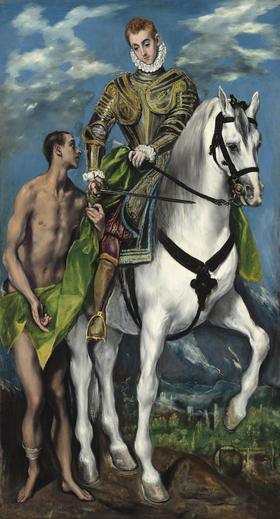
23 May 2024
Miracle

Pope Francis recognizes the second miracle

Holy See Press Office Bulletin, Promulgation of Decrees of the Dicastery for the Causes of Saints, 23 May 2024

“During the audience granted to His Eminence Cardinal Marcello Semeraro, prefect of the Dicastery for the Causes of Saints, the Supreme Pontiff has authorized the same Dicastery to promulgate the Decrees regarding: … the miracle attributed to the intercession of Blessed Carlo Acutis, lay faithful; born on 3 May 1991 in London, England, and died on 12 October 2006 in Monza, Italy”

Church ruling
Pope Francis authorized the decree recognizing the second miracle; announced 23 May 2024

Read it in the source: vatican.va

See it on the timeline: St. Carlo Acutis, 1991 to 2006

canonized 2025
Miracle

St. Pier Giorgio Frassati, student of Turin

Dicastery for the Causes of Saints Profile of St. Pier Giorgio Frassati, decree on the miracle

“With a view to his canonization, the Postulation of the Cause submitted to the judgment of this Dicastery for the Causes of Saints the alleged miraculous healing of the priest of the Archdiocese of Los Angeles (United States of America) Juan Manuel Gutiérrez, from an injury to the Achilles tendon of the right foot. … The Medical Board of the Dicastery, in its session of 7 March 2024, declared that the healing of the patient is not scientifically explicable.”

Our translation. The words as written, in Italian:

“In vista della sua canonizzazione, la Postulazione della Causa ha sottoposto al giudizio di questo Dicastero delle Cause dei Santi la presunta guarigione miracolosa del sacerdote dell’arcidiocesi di Los Angeles (Stati Uniti d’America) Juan Manuel Gutiérrez, da una lesione del tendine d’Achille del piede destro. … La Consulta Medica del Dicastero, nella seduta del 7 marzo 2024, ha dichiarato che la guarigione del paziente non sia spiegabile scientificamente.”

Case
Juan Manuel Gutiérrez, a priest of the Archdiocese of Los Angeles: an injury to the right Achilles tendon
Investigation
Diocesan inquiry at Los Angeles, 1 to 19 September 2023; validity recognized by decree of 27 October 2023
Medical finding
Medical Board, 7 March 2024: the healing is not scientifically explicable
Church ruling
Theological consultors 28 May 2024 and cardinals and bishops 5 November 2024 both answered yes. Pope Francis then declared the miracle established

Read it in the source: Dicastery for the Causes of Saints

See it on the timeline: Saints of the modern age, 1800 to today

canonized 2025
Miracle

St. Maria Troncatti, Salesian missionary in Ecuador

Dicastery for the Causes of Saints Decree on the miracle, 25 November 2024, as printed in the profile of St. Maria Troncatti

“Mr. Juwa Juank Kankua Bosco, born in 1975 at Tuutinentsa in Ecuador, a member of the Shuar people of the community of Nunkui Nunka, province of Morona Santiago, on the morning of 2 February 2015, while sharpening the blade of the machine for planing wooden boards, was struck violently on the front of the head by a large fragment of stone thrown from the grinder, which had broken apart. Mr. Juwa lost consciousness and brain matter came out of his head. … Between the end of March and the beginning of April 2015, Mr. Juwa dreamed of a woman dressed in white who said she was Sr. Maria Troncatti and who reassured him about his healing. When the patient woke he felt a particular energy, so much so that he was able to move his leg and arm; with his wife's help he began to walk and managed to say a few words. From that moment there was a steady improvement. … The Medical Board, in its session of 7 March 2024, recognized that the healing was rapid, complete and lasting, as well as inexplicable according to the laws of science.”

Our translation. The words as written, in Italian:

“Il sig. Juwa Juank Kankua Bosco, nato nel 1975 a Tuutinentsa, in Ecuador, appartenente alla gente shuar della comunità di Nunkui Nunka, provincia di Morona Santiago, la mattina del 2 febbraio 2015, mentre affilava la lama della macchina per levigare assi di legno, fu colpito violentemente nella parte frontale della testa da un grosso frammento di pietra partito dalla smerigliatrice che si era spaccata. Il sig. Juwa perse conoscenza e dalla testa fuoriuscì della massa cerebrale. … Tra la fine di marzo e l’inizio di aprile 2015, il sig. Juwa sognò una donna vestita di bianco che disse di essere Sr. Maria Troncatti e che lo rassicurò circa la sua guarigione. Quando il paziente si svegliò avvertì una particolare energia, tanto che fu in grado di muovere la gamba e il braccio; con l’aiuto della moglie iniziò a camminare e riuscì a pronunciare qualche parola. Da quel momento ci fu un progressivo miglioramento. … La Consulta Medica, nella seduta del 7 marzo 2024, ha riconosciuto che la guarigione fu rapida, completa e duratura, nonché inspiegabile secondo le leggi della scienza.”

Case
Juwa Juank Kankua Bosco, a Shuar man born in 1975, struck on the head by a piece of a broken grinding stone on 2 February 2015, with an open skull fracture and loss of brain matter. After surgery at the hospital of Ambato the surgeon told his brother-in-law there was no hope
Witnesses
His brother-in-law and his sister, who began to call on Blessed Maria Troncatti; his wife, who helped him walk
Investigation
Diocesan inquiry at the Curia of the Apostolic Vicariate of Méndez, Ecuador, 2 to 10 September 2022; validity decreed 16 November 2022
Medical finding
Medical Board, 7 March 2024: the healing rapid, complete and lasting, and inexplicable according to the laws of science
Church ruling
Theological consultors 28 May 2024 and cardinals and bishops 19 November 2024 answered yes. Pope Francis declared the miracle established on 25 November 2024

Read it in the source: Dicastery for the Causes of Saints

See it on the timeline: Saints of the modern age, 1800 to today

canonized 2025
Miracle

St. Maria Troncatti, Salesian missionary in Ecuador

Dicastery for the Causes of Saints Profile of St. Maria Troncatti, account of the cause (beatification)

“the alleged miraculous healing, which took place in the diocese of Portoviejo (Province of Manabí, Ecuador), of Mrs. Josefa Yolanda Solórzano Pisco, who in April 2002 began to feel symptoms of illness, which were taken for an ordinary bout of influenza. … the process of decline appeared irreversible, to the point that the patient went into a coma. In this situation, relatives and friends of Yolanda obtained her discharge from hospital, so that she "might die in her own home". There a Salesian priest told them about the Servant of God, urging those present to pray and ask, through her intercession, for the healing of the sick woman. At dawn on 10 May 2002 all noticed in Yolanda a first stirring of recovery.”

Our translation. The words as written, in Italian:

“la presunta guarigione miracolosa, avvenuta in diocesi di Portoviejo (Provincia di Manabí, Ecuador), della signora Josefa Yolanda Solórzano Pisco, la quale, nell’aprile 2002 iniziò ad avvertire dei sintomi di malessere, che furono interpretati come una normale affezione influenzale. … il processo degenerativo appariva irreversibile, al punto che la paziente entrò in coma. In questo contesto, parenti e amici di Yolanda ottennero le sue dimissioni dall’ospedale, affinché ella “potesse morire nella propria casa”. Qui un sacerdote salesiano presentò loro la figura della Serva di Dio, esortando i presenti a pregare per chiedere, mediante la sua intercessione, la guarigione dell’inferma. All’alba del 10 maggio 2002 tutti notarono in Yolanda un palpito di iniziale ripresa.”

Case
Josefa Yolanda Solórzano Pisco, of the diocese of Portoviejo in Ecuador, who fell ill in April 2002, went into a coma and was sent home from hospital to die
Witnesses
Her relatives and friends, and a Salesian priest who urged them to pray through the intercession of Maria Troncatti
Church ruling
Submitted to the Congregation for the Causes of Saints for her beatification. Beatified 24 November 2012

Read it in the source: Dicastery for the Causes of Saints

See it on the timeline: Saints of the modern age, 1800 to today

canonized 2025
Miracle

St. Carlo Acutis, schoolboy of Milan

Dicastery for the Causes of Saints Profile of St. Carlo Acutis, account of the cause (beatification)

“The special Congress of the Theological Consultors of 17 December 2019 and the Session of the Cardinals and Bishops of 4 February 2020 recognized that this miraculous healing had come about through the intercession of Carlo Acutis. On 22 February 2020, Pope Francis authorized the Dicastery for the Causes of Saints to promulgate the decree on the miracle.”

Our translation. The words as written, in Italian:

“Il Congresso peculiare dei Consultori Teologi del 17 dicembre 2019 e la Sessione dei Cardinali e Vescovi del 4 febbraio 2020 riconobbero che tale guarigione miracolosa era avvenuta per intercessione di Carlo Acutis. Il 22 febbraio 2020, Papa Francesco ha autorizzato il Dicastero delle Cause dei Santi a promulgare il decreto sul miracolo.”

Case
A child in Brazil with a malformed pancreas; diocesan inquiry at Campo Grande, 24 April to 12 June 2018
Medical finding
Medical Board, 19 November 2019: the healing rapid, complete and lasting, scientifically inexplicable
Church ruling
Theological consultors 17 December 2019; cardinals and bishops 4 February 2020; Pope Francis authorized the decree on 22 February 2020. Beatified at Assisi, 10 October 2020

Read it in the source: Dicastery for the Causes of Saints

See it on the timeline: Saints of the modern age, 1800 to today

current practiceA rock cave under trees with a white statue in a niche above it and people gathered in front
Miracle

Lourdes: how a cure is examined

Sanctuary of Our Lady of Lourdes The miracles of Lourdes, Declaration of a miracle: 4 decisive steps
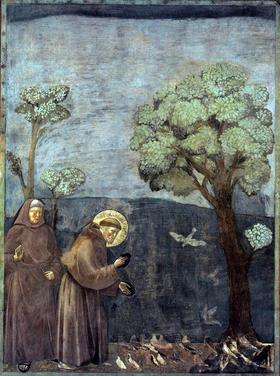
“If the doctors collectively decide to continue the investigation, the cure is then subject to a long research process, which may last several years, and at the end of which the members of the International Medical Committee of Lourdes (CMIL) vote that the cure is “unexplained in the present state of our knowledge”. The result of the CMIL vote is then reported to the bishop of the cured person’s place of residence. It is then up to the bishop, as the representative of the Church hierarchy, to decide whether to declare a miracle.”

Investigation
The permanent doctor of the Medical Bureau, then the doctors present at Lourdes, then the International Medical Committee of Lourdes
Medical finding
The doctors vote only on whether the cure is “unexplained in the present state of our knowledge”
Church ruling
The bishop of the cured person's place of residence decides whether to declare a miracle

Read it in the source: lourdes-france.org

See it on the timeline: Great miracles
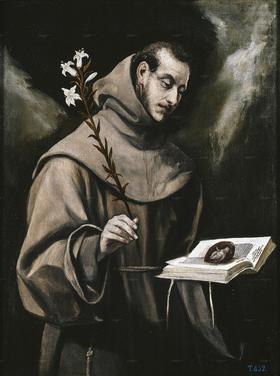
current practice
Miracle

Lourdes: the criteria the doctors apply

Sanctuary of Our Lady of Lourdes The miracles of Lourdes, Declaration of a miracle: 4 decisive steps
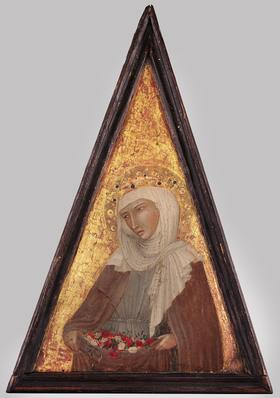
“The 1st criterion is that the disease is serious, with an unfavourable prognosis. Secondly, the disease must be known and recorded by medicine. Thirdly, this disease must be organic, lesional, that is to say, there must be objective, biological, radiological criteria, everything that currently exists in medicine; … Fourthly, there must not have been any treatment to which the cure could be attributed. The 5th criterion concerns the timing of the cure itself: recovery must be sudden, instantaneous, immediate and without convalescence. Finally, after the cure, there are two additional criteria: it must not simply be a regression of symptoms but a return of all vital functions, and finally, it must not simply be a remission but a cure, i.e. lasting and definitive.”

Medical finding
Seven criteria: a serious disease, known to medicine, organic with objective evidence, no treatment that could account for the cure, a sudden recovery, a return of all functions, and a lasting cure

Read it in the source: lourdes-france.org

See it on the timeline: Great miracles
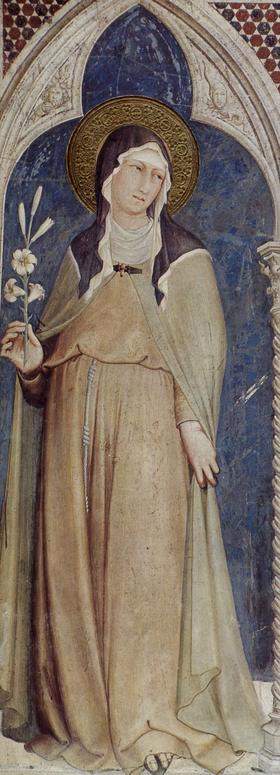
to 2025
Miracle

Lourdes: 72 cures recognized out of more than 7,000 reported
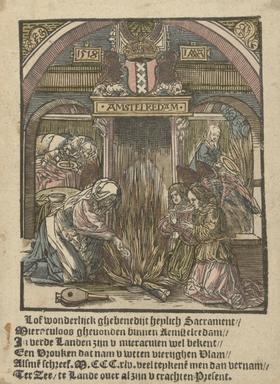
Sanctuary of Our Lady of Lourdes Miraculous healings
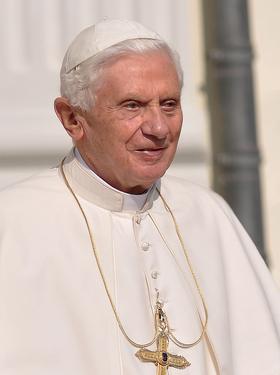
“Of the more than 7,000 cases of healing reported at Lourdes since the apparitions, 72 have so far been recognised as miraculous by the Church. More than 80% of the cures recognised as miraculous have been women. The youngest person whose cure was recognised as miraculous was 2 years old.”

Investigation
More than 7,000 cases of healing reported at Lourdes since the apparitions
Church ruling
72 recognized as miraculous by the Church so far. The page lists each by name with the date of recognition

Read it in the source: lourdes-france.com

See it on the timeline: Great miracles