Tradition Timeline Leave an objection

Start page / Kinds of source

The Saints

All 263 quotations on this site filed under “Saint”, from every timeline, in date order.

Each mark is one quotation. Touch the timeline to read it.

Why the saints matter

A saint is a man or woman the Church holds up as having lived the faith to the end. The other rows show what the Church has taught. This row shows people living it, in every century.

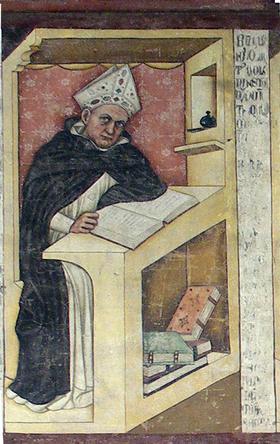
  1. Rows of bishops in white mitres and copes sit in tiered stands hung with red and green cloth

    The Church says the saints do not draw us away from Christ. Our companionship with them joins us to him.

    “For just as Christian communion among wayfarers brings us closer to Christ, so our companionship with the saints joins us to Christ, from Whom as from its Fountain and Head issues every grace and the very life of the people of God. … For every genuine testimony of love shown by us to those in heaven, by its very nature tends toward and terminates in Christ”

    Second Vatican CouncilLumen Gentium 50, 1964Read it in the source: vatican.va

The saints are given here in their own words, or in the words of those who knew them.

Saints through the centuries: all 20 quotations

263 quotations in date order

A work in progress. The quotations below are not all the evidence on this matter. More are being added.

c. 34A young deacon with a halo against a gold ground, in a richly patterned vestment, holding a red book
Saint

St. Stephen, deacon and first martyr

St. Luke Acts 7:59-60

“And as they were stoning Stephen, he prayed, “Lord Jesus, receive my spirit.” And he knelt down and cried with a loud voice, “Lord, do not hold this sin against them.” And when he had said this, he fell asleep.”

Read it in the source: Bible Gateway, RSV Catholic Edition

See it on the timeline: Saints through the centuries

c. 34
Saint

St. Stephen, deacon and first martyr

St. Luke Acts 7:55-56

“But he, full of the Holy Spirit, gazed into heaven and saw the glory of God, and Jesus standing at the right hand of God; and he said, “Behold, I see the heavens opened, and the Son of man standing at the right hand of God.””

Read it in the source: Bible Gateway, RSV Catholic Edition

See it on the timeline: Saints of the early Church, to 313

c. 44A bearded apostle in a golden-orange cloak looks up with his hands joined, holding a pilgrim's staff
Saint

St. James the Greater, apostle and martyr

St. Luke Acts 12:1-3

“About that time Herod the king laid violent hands upon some who belonged to the church. He killed James the brother of John with the sword; and when he saw that it pleased the Jews, he proceeded to arrest Peter also.”

Read it in the source: Bible Gateway, RSV Catholic Edition

See it on the timeline: Saints of the early Church, to 313

1st centuryIn a garden beside an open tomb a woman kneels and reaches towards Christ, who steps away in white carrying a hoe
Saint

St. Mary Magdalene, witness of the Resurrection

St. John John 20:16-18

“Jesus said to her, “Mary.” She turned and said to him in Hebrew, “Rab-bo′ni!” (which means Teacher). Jesus said to her, “Do not hold me, for I have not yet ascended to the Father; but go to my brethren and say to them, I am ascending to my Father and your Father, to my God and your God.” Mary Mag′dalene went and said to the disciples, “I have seen the Lord”; and she told them that he had said these things to her.”

Read it in the source: Bible Gateway, RSV Catholic Edition

See it on the timeline: Saints of the early Church, to 313

c. 62
Saint

St. James the Just, bishop of Jerusalem and martyr

Hegesippus Memoirs, as quoted by Eusebius, Church History 2.23.16-18

“And they began to stone him, for he was not killed by the fall; but he turned and knelt down and said, 'I entreat you, Lord God our Father, forgive them, for they know not what they do.' … And one of them, who was a fuller, took the club with which he beat out clothes and struck the just man on the head. And thus he suffered martyrdom.”

Read it in the source: New Advent

See it on the timeline: Saints of the early Church, to 313

c. 64An old man with white hair and beard in a cream cloak and a pallium, looking upward and holding two large keys
Saint

St. Peter, apostle and martyr

St. John John 21:18-19

“Truly, truly, I say to you, when you were young, you girded yourself and walked where you would; but when you are old, you will stretch out your hands, and another will gird you and carry you where you do not wish to go.” (This he said to show by what death he was to glorify God.) And after this he said to him, “Follow me.””

Read it in the source: Bible Gateway, RSV Catholic Edition

See it on the timeline: Saints of the early Church, to 313

c. 67A bald, bearded apostle in a red cloak over a blue tunic, holding a folded letter in one hand and resting the other on a long sword
Saint

St. Paul, apostle and martyr

St. Paul 2 Timothy 4:6-8

“For I am already on the point of being sacrificed; the time of my departure has come. I have fought the good fight, I have finished the race, I have kept the faith. Henceforth there is laid up for me the crown of righteousness, which the Lord, the righteous judge, will award to me on that Day, and not only to me but also to all who have loved his appearing.”

Read it in the source: Bible Gateway, RSV Catholic Edition

See it on the timeline: Saints of the early Church, to 313

c. 100A painting in a gilded frame of an old pope kneeling on steps as the Father and the Son appear above him among angels
Saint

St. Clement of Rome, pope

Pope Benedict XVI General Audience, 7 March 2007

“St Clement, Bishop of Rome in the last years of the first century, was the third Successor of Peter, after Linus and Anacletus. The most important testimony concerning his life comes from St Irenaeus, Bishop of Lyons until 202. He attests that Clement "had seen the blessed Apostles", "had been conversant with them", and "might be said to have the preaching of the apostles still echoing [in his ears], and their traditions before his eyes" (Adversus Haer. 3, 3, 3). Later testimonies which date back to between the fourth and sixth centuries attribute to Clement the title of martyr.”

Read it in the source: vatican.va

See it on the timeline: Saints of the early Church, to 313

c. 100A young beardless apostle in a green tunic and rose cloak, holding a gold cup from which a small dragon rises
Saint

St. John, apostle and evangelist

Pope Benedict XVI General Audience, 5 July 2006

“Devotion to the Apostle John spread from the city of Ephesus where, according to an ancient tradition, he worked for many years and died in the end at an extraordinarily advanced age, during the reign of the Emperor Trajan.”

Read it in the source: vatican.va

See it on the timeline: Saints of the early Church, to 313

c. 107
Saint

St. Simeon, bishop of Jerusalem and martyr

Hegesippus Memoirs, as quoted by Eusebius, Church History 3.32.6

“…the above-mentioned Symeon, son of Clopas, an uncle of the Lord, was informed against by the heretics, and was himself in like manner accused for the same cause before the governor Atticus. And after being tortured for many days he suffered martyrdom, and all, including even the proconsul, marveled that, at the age of one hundred and twenty years, he could endure so much. And orders were given that he should be crucified.”

Read it in the source: New Advent

See it on the timeline: Saints of the early Church, to 313

c. 107A manuscript painting on a gold ground of clergy carrying a casket towards a church building
Saint

St. Ignatius of Antioch, bishop and martyr

St. Ignatius of Antioch Letter to the Romans, ch. 4

“I write to the Churches, and impress on them all, that I shall willingly die for God, unless you hinder me. I beseech of you not to show an unseasonable good-will towards me. Allow me to become food for the wild beasts, through whose instrumentality it will be granted me to attain to God. I am the wheat of God, and let me be ground by the teeth of the wild beasts, that I may be found the pure bread of Christ.”

Read it in the source: New Advent

See it on the timeline: Saints of the early Church, to 313

c. 155An engraved portrait in profile of an old man with a long beard and a halo, with the name S. Polycarpus beneath
Saint

St. Polycarp of Smyrna, bishop and martyr

The Church of Smyrna The Martyrdom of Polycarp, ch. 9

“Then, the proconsul urging him, and saying, Swear, and I will set you at liberty, reproach Christ; Polycarp declared, Eighty and six years have I served Him, and He never did me any injury: how then can I blaspheme my King and my Saviour?”

Read it in the source: New Advent

See it on the timeline: Saints through the centuries

c. 155
Saint

St. Polycarp of Smyrna, bishop and martyr

The Church of Smyrna The Martyrdom of Polycarp, ch. 14

“O Lord God Almighty, the Father of your beloved and blessed Son Jesus Christ, by whom we have received the knowledge of You, the God of angels and powers, and of every creature, and of the whole race of the righteous who live before you, I give You thanks that You have counted me, worthy of this day and this hour, that I should have a part in the number of Your martyrs, in the cup of your Christ, to the resurrection of eternal life, both of soul and body, through the incorruption [imparted] by the Holy Ghost.”

Read it in the source: New Advent

See it on the timeline: Saints of the early Church, to 313

c. 165An engraving of an old man with a full beard in a cloak, with both hands raised as if explaining
Saint

St. Justin, philosopher and martyr

The Martyrdom of the Holy Martyrs Justin, Chariton and others ch. 4

“Rusticus the prefect said, Unless you obey, you shall be mercilessly punished. Justin said, Through prayer we can be saved on account of our Lord Jesus Christ, even when we have been punished, because this shall become to us salvation and confidence at the more fearful and universal judgment-seat of our Lord and Saviour. Thus also said the other martyrs: Do what you will, for we are Christians, and do not sacrifice to idols.”

Read it in the source: New Advent

See it on the timeline: Saints of the early Church, to 313

177
Saint

St. Pothinus, bishop of Lyons and martyr

The Churches of Vienne and Lyons Letter to the churches of Asia and Phrygia, in Eusebius, Church History 5.1.29-31

“The blessed Pothinus, who had been entrusted with the bishopric of Lyons, was dragged to the judgment seat. He was more than ninety years of age, and very infirm, scarcely indeed able to breathe because of physical weakness; but he was strengthened by spiritual zeal through his earnest desire for martyrdom. … Being asked by the governor, Who was the God of the Christians, he replied, 'If you are worthy, you shall know.'”

Read it in the source: New Advent

See it on the timeline: Saints of the early Church, to 313

177
Saint

St. Blandina, martyr of Lyons

The Churches of Vienne and Lyons Letter to the churches of Asia and Phrygia, in Eusebius, Church History 5.1.41-42

“But Blandina was suspended on a stake, and exposed to be devoured by the wild beasts who should attack her. And because she appeared as if hanging on a cross, and because of her earnest prayers, she inspired the combatants with great zeal. For they looked on her in her conflict, and beheld with their outward eyes, in the form of their sister, him who was crucified for them … As none of the wild beasts at that time touched her, she was taken down from the stake, and cast again into prison.”

Read it in the source: New Advent

See it on the timeline: Saints of the early Church, to 313

17 July 180
Saint

The Scillitan martyrs of North Africa

The Passion of the Scillitan Martyrs Acts of the trial at Carthage

“Saturninus the proconsul said to Speratus: Do you persist in being a Christian? Speratus said: I am a Christian. And with him they all agreed. Saturninus the proconsul said: Will you have a space to consider? Speratus said: In a matter so straightforward there is no considering. Saturninus the proconsul said: What are the things in your chest? Speratus said: Books and epistles of Paul, a just man.”

Read it in the source: New Advent

See it on the timeline: Saints of the early Church, to 313

c. 202An engraved oval portrait of a bearded bishop with a halo, with a Latin inscription around the frame
Saint

St. Irenaeus, bishop of Lyons

Pope Benedict XVI General Audience, 28 March 2007

“Irenaeus was in all probability born in Smyrna (today, Izmir in Turkey) in about 135-140, where in his youth, he attended the school of Bishop Polycarp, a disciple in his turn of the Apostle John. … The new Pastor devoted himself without reserve to his episcopal ministry which ended in about 202-203, perhaps with martyrdom.”

Read it in the source: vatican.va

See it on the timeline: Saints of the early Church, to 313

203A gold mosaic of two women in white and gold robes with halos, each carrying a crown, with their names in Latin above
Saint

Sts. Perpetua and Felicity, martyrs of Carthage

St. Perpetua The Passion of the Holy Martyrs Perpetua and Felicitas, 2.2

“And Hilarianus the procurator, who had just received the power of life and death in the place of the proconsul Minucius Timinianus, who was deceased, said, 'Spare the grey hairs of your father, spare the infancy of your boy, offer sacrifice for the well-being of the emperors.' And I replied, 'I will not do so.' Hilarianus said, 'Are you a Christian?' And I replied, 'I am a Christian.'”

Read it in the source: New Advent

See it on the timeline: Saints of the early Church, to 313

203
Saint

Sts. Perpetua and Felicity, martyrs of Carthage

The Passion of the Holy Martyrs Perpetua and Felicitas 5.2

“You who are in such suffering now, what will you do when you are thrown to the beasts, which you despised when you refused to sacrifice? And she replied, Now it is I that suffer what I suffer; but then there will be another in me, who will suffer for me, because I also am about to suffer for Him. Thus she brought forth a little girl, which a certain sister brought up as her daughter.”

Read it in the source: New Advent

See it on the timeline: Saints of the early Church, to 313

c. 205
Saint

St. Potamiaena of Alexandria, virgin and martyr

Eusebius of Caesarea Church History 6.5.3-4

“And perceiving the man's sympathy for her, she exhorted him to be of good courage, for she would supplicate her Lord for him after her departure, and he would soon receive a reward for the kindness he had shown her. 4. Having said this, she nobly sustained the issue, burning pitch being poured little by little, over various parts of her body, from the sole of her feet to the crown of her head.”

Read it in the source: New Advent

See it on the timeline: Saints of the early Church, to 313

c. 216
Saint

St. Narcissus, bishop of Jerusalem

St. Alexander of Jerusalem Letter to the Antinoites, as quoted by Eusebius, Church History 6.11.4

“Narcissus salutes you, who held the episcopate here before me, and is now associated with me in prayers, being one hundred and sixteen years of age; and he exhorts you, as I do, to be of one mind.”

Read it in the source: New Advent

See it on the timeline: Saints of the early Church, to 313

249
Saint

St. Apollonia of Alexandria, virgin and martyr

St. Dionysius of Alexandria Letter to Fabius of Antioch, as quoted by Eusebius, Church History 6.41.7

“Then they seized also that most admirable virgin, Apollonia, an old woman, and, smiting her on the jaws, broke out all her teeth. And they made a fire outside the city and threatened to burn her alive if she would not join with them in their impious cries. And she, supplicating a little, was released, when she leaped eagerly into the fire and was consumed.”

Read it in the source: New Advent

See it on the timeline: Saints of the early Church, to 313

250
Saint

St. Fabian, pope and martyr

Eusebius of Caesarea Church History 6.39.1

“After a reign of seven years Philip was succeeded by Decius. On account of his hatred of Philip, he commenced a persecution of the churches, in which Fabianus suffered martyrdom at Rome, and Cornelius succeeded him in the episcopate.”

Read it in the source: New Advent

See it on the timeline: Saints of the early Church, to 313

6 August 258
Saint

St. Sixtus II, pope and martyr

St. Cyprian of Carthage Epistle 81, to Successus, 1

“But know that Xistus was martyred in the cemetery on the eighth day of the Ides of August, and with him four deacons. Moreover, the prefects in the City are daily urging on this persecution; so that, if any are presented to them, they are martyred, and their property claimed by the treasury.”

Read it in the source: New Advent

See it on the timeline: Saints of the early Church, to 313

10 August 258
Saint

St. Lawrence, deacon and martyr

St. Ambrose of Milan On the Duties of the Clergy 2.28.140

“Such gold the holy martyr Lawrence preserved for the Lord. For when the treasures of the Church were demanded from him, he promised that he would show them. On the following day he brought the poor together. When asked where the treasures were which he had promised, he pointed to the poor, saying: These are the treasures of the Church. And truly they were treasures, in whom Christ lives, in whom there is faith in Him.”

Read it in the source: New Advent

See it on the timeline: Saints of the early Church, to 313

10 August 258
Saint

St. Lawrence, deacon and martyr

St. Ambrose of Milan On the Duties of the Clergy 1.41.214, 216

“And let us not pass by St. Lawrence, who, seeing Xystus his bishop led to martyrdom, began to weep, not at his sufferings but at the fact that he himself was to remain behind. With these words he began to address him: Where, father, are you going without your son? Where, holy priest, are you hastening without your deacon? … However, after three days he was placed upon the gridiron by the tyrant whom he mocked, and was burnt.”

Read it in the source: New Advent

See it on the timeline: Saints of the early Church, to 313

14 September 258An engraving of a bearded man in robes holding an open book, standing like a statue in a niche, with a small scene in a landscape on the base below
Saint

St. Cyprian, bishop of Carthage and martyr

Pontius the Deacon The Life and Passion of Cyprian, 18

“And now, having with his own hands bound his eyes, he tried to hasten the slowness of the executioner, whose office was to wield the sword, and who with difficulty clasped the blade in his failing right hand with trembling fingers, until the mature hour of glorification strengthened the hand of the centurion with power granted from above to accomplish the death of the excellent man, and at length supplied him with the permitted strength.”

Read it in the source: New Advent

See it on the timeline: Saints of the early Church, to 313

c. 270
Saint

St. Gregory the Wonderworker, bishop of Neocaesarea

St. Basil the Great On the Holy Spirit 29.74

“But where shall I rank the great Gregory, and the words uttered by him? Shall we not place among Apostles and Prophets a man who walked by the same Spirit as they; … who never through all his days diverged from the footprints of the saints; who maintained, as long as he lived, the exact principles of evangelical citizenship?”

Read it in the source: New Advent

See it on the timeline: Saints of the early Church, to 313

3rd century
Saint

St. Sebastian, soldier and martyr

Pope Francis Apostolic Exhortation Christus Vivit, 51 (25 March 2019)

“In the third century, Saint Sebastian was a young captain of the Praetorian Guard. It is said that he spoke constantly of Christ and tried to convert his companions, to the point that he was ordered to renounce his faith. Since he refused, he was shot with arrows, yet he survived and continued to proclaim Christ fearlessly. In the end, Sebastian was flogged to death.”

Read it in the source: vatican.va

See it on the timeline: Saints of the early Church, to 313

c. 304A young woman in gold and red looks up to heaven beside a large urn, with a lamb and a small angel at her feet
Saint

St. Agnes of Rome, virgin and martyr

St. Ambrose of Milan Concerning Virgins 1.2.7

“She is said to have suffered martyrdom when twelve years old. The more hateful was the cruelty, which spared not so tender an age, the greater in truth was the power of faith which found evidence even in that age. … She was fearless under the cruel hands of the executioners, she was unmoved by the heavy weight of the creaking chains, offering her whole body to the sword of the raging soldier, as yet ignorant of death, but ready for it.”

Read it in the source: New Advent

See it on the timeline: Saints of the early Church, to 313

c. 304A young woman in a dark green dress against a gold ground holds a martyr's palm and a stem that ends in a pair of eyes
Saint

St. Lucy of Syracuse, virgin and martyr

Pope Francis Address to the Italian Union of the Blind and Partially Sighted, 13 December 2014

“She was a young defenceless woman, however she faced torture and a violent death with great courage, a courage that came to her from the Risen Christ, with whom she was united, and from the Holy Spirit, who dwelt within her.”

Read it in the source: vatican.va

See it on the timeline: Saints of the early Church, to 313

311
Saint

St. Peter of Alexandria, bishop and martyr

Eusebius of Caesarea Church History 9.6.2

“At about the same time Peter also, who presided most illustriously over the parishes in Alexandria, a divine example of a bishop on account of the excellence of his life and his study of the sacred Scriptures, being seized for no cause and quite unexpectedly, was, as if by command of Maximinus, immediately and without explanation, beheaded. With him also many other bishops of Egypt suffered the same fate.”

Read it in the source: New Advent

See it on the timeline: Saints of the early Church, to 313

c. 330A crowned woman in a red cloak stands in a landscape holding a tall wooden cross
Saint

St. Helena, empress

Socrates Scholasticus Church History 1.17 (written c. 439)

“Helena, the emperor's mother (from whose name having made Drepanum, once a village, a city, the emperor called it Helenopolis), being divinely directed by dreams went to Jerusalem. … she sought carefully the sepulchre of Christ, from which he arose after his burial; and after much difficulty, by God's help she discovered it.”

Read it in the source: New Advent

See it on the timeline: Saints of the age of the Fathers, 313 to 604

c. 343An icon of a bald bishop with a short white beard, holding a jewelled book, on a gold ground
Saint

St. Nicholas of Myra, bishop

Pope St. John Paul II Homily at Mass in Bari, 26 February 1984, 1

“Here they find the relics, the mortal remains of the saint, who in the fourth century was bishop at Myra in Asia Minor. From there his veneration has spread in all directions, so that Nicholas seems to have become a saint known and venerated everywhere in the whole of Christendom. … It is strange: history has recorded few facts of the saint's life, but this witness has come down to us. It has been fixed in the memory of the people of God, in the liturgical worship of the Church, in sacred art and also in the customs and popular usages of many nations.”

Our translation. The words as written, in Italian:

“Qui trovano le reliquie, le spoglie mortali del santo, che nel quarto secolo fu vescovo a Mira nell’Asia Minore. Da lì il suo culto si è diffuso in tutte le direzioni, così che Nicola sembra diventato un santo universalmente noto e venerato in tutta la cristianità. … È strano: la storia ha fissato pochi fatti della vita del santo, ma questa testimonianza è pervenuta fino a noi. Si è fissata nella memoria del popolo di Dio, nel culto liturgico della Chiesa, nell’arte sacra e anche nei costumi e nelle consuetudini popolari di molte nazioni.”

Read it in the source: vatican.va

See it on the timeline: Saints of the age of the Fathers, 313 to 604

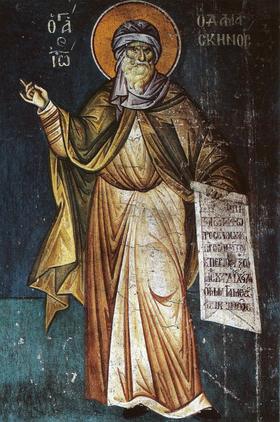
356An old hermit with a long grey beard, in a white habit and brown cloak, leans on a staff and gestures with one hand
Saint

St. Antony of Egypt, abbot

St. Athanasius of Alexandria Life of St. Antony, 2 (written c. 357)

“Pondering over these things he entered the church, and it happened the Gospel was being read, and he heard the Lord saying to the rich man … 'If you would be perfect, go and sell that you have and give to the poor; and come follow Me and you shall have treasure in heaven.' Antony, as though God had put him in mind of the Saints, and the passage had been read on his account, went out immediately from the church, and gave the possessions of his forefathers to the villagers”

Read it in the source: New Advent

See it on the timeline: Saints of the age of the Fathers, 313 to 604

356
Saint

St. Antony of Egypt, abbot

St. Athanasius of Alexandria Life of St. Antony, 7 (written c. 357)

“He was also mindful of the words spoken by the prophet Elias … 'the Lord lives before whose presence I stand today.' … And he used to say to himself that from the life of the great Elias the hermit ought to see his own as in a mirror.”

Read it in the source: New Advent

See it on the timeline: Saints of the age of the Fathers, 313 to 604

367
Saint

St. Hilary of Poitiers, bishop and Doctor

Pope Benedict XVI General Audience, 10 October 2007

“Hilary met St Martin on various occasions: the future Bishop of Tours founded a monastery right by Poitiers, which still exists today. Hilary died in 367. His liturgical Memorial is celebrated on 13 January. In 1851 Blessed Pius IX proclaimed him a Doctor of the universal Church.”

Read it in the source: vatican.va

See it on the timeline: Saints of the age of the Fathers, 313 to 604

c. 371
Saint

St. Hilarion, abbot

St. Jerome Life of St. Hilarion, 45 (written c. 390)

“His body was now all but cold, and nought was left of life but reason. Yet with eyes wide open he kept repeating, Go forth, what do you fear? Go forth, my soul, why do you hesitate? You have served Christ nearly seventy years, and do you fear death? Thus saying he breathed his last.”

Read it in the source: New Advent

See it on the timeline: Saints of the age of the Fathers, 313 to 604

373A worn icon of a bishop with a broad grey beard holding a jewelled book, on a red and gold ground
Saint

St. Athanasius of Alexandria, bishop and Doctor

Pope Benedict XVI General Audience, 20 June 2007

“Athanasius was obliged to abandon his city, spending 17 years in exile and suffering for the faith. … Reinstated in his See once and for all, the Bishop of Alexandria was able to devote himself to religious pacification and the reorganization of the Christian communities. He died on 2 May 373, the day when we celebrate his liturgical Memorial.”

Read it in the source: vatican.va

See it on the timeline: Saints of the age of the Fathers, 313 to 604

373A round gold mosaic of an old monk with a short beard holding a scroll of Greek text
Saint

St. Ephrem the Syrian, deacon and Doctor

Pope Benedict XVI General Audience, 28 November 2007

“Ephrem then emigrated to Edessa, where he continued his activity as a preacher. He died in this city in 373, a victim of the disease he contracted while caring for those infected with the plague. It is not known for certain whether he was a monk, but we can be sure in any case that he remained a deacon throughout his life and embraced virginity and poverty.”

Read it in the source: vatican.va

See it on the timeline: Saints of the age of the Fathers, 313 to 604

379A tall icon of a bishop with a dark pointed beard holding a book, surrounded by many small painted scenes
Saint

St. Basil the Great, bishop and Doctor

St. Gregory of Nazianzus Oration 43, Funeral Oration on the Great St. Basil, 63

“He did not therefore disdain to honour with his lips this disease, noble and of noble ancestry and brilliant reputation though he was, but saluted them as brethren, not, as some might suppose, from vainglory, (for who was so far removed from this feeling?) but taking the lead in approaching to tend them, as a consequence of his philosophy, and so giving not only a speaking, but also a silent, instruction. … Basil's care was for the sick, and the relief of their wounds, and the imitation of Christ, by cleansing leprosy, not by a word, but in deed.”

Read it in the source: New Advent

See it on the timeline: Saints of the age of the Fathers, 313 to 604

379
Saint

St. Macrina the Younger, virgin

St. Gregory of Nyssa On the Soul and the Resurrection, opening

“Basil, great among the saints, had departed from this life to God; and the impulse to mourn for him was shared by all the churches. But his sister the Teacher was still living; and so I journeyed to her … But when we were in each other's presence the sight of the Teacher awakened all my pain; for she too was lying in a state of prostration even unto death. … She quoted the Apostle's words about the duty of not being grieved for them that sleep; because only men without hope have such feelings.”

Read it in the source: New Advent

See it on the timeline: Saints of the age of the Fathers, 313 to 604

387An engraving of a bearded bishop in Eastern vestments holding a book and raising his right hand in blessing
Saint

St. Cyril of Jerusalem, bishop and Doctor

Pope Benedict XVI General Audience, 27 June 2007

“It was only in 378, after the Emperor's death, that Cyril could definitively resume possession of his See and restore unity and peace to his faithful. … In this Letter addressed to the Roman Pontiff, the Eastern Bishops officially recognized Cyril's flawless orthodoxy, the legitimacy of his episcopal ordination and the merits of his pastoral service, which ended with his death in 387.”

Read it in the source: vatican.va

See it on the timeline: Saints of the age of the Fathers, 313 to 604

387A woman in a white veil and a young man sit hand in hand, both gazing upward
Saint

St. Monica, mother of St. Augustine

St. Augustine of Hippo Confessions 9.11.27

“and soon after to us both she says, Lay this body anywhere, let not the care for it trouble you at all. This only I ask, that you will remember me at the Lord's altar, wherever you be.”

Read it in the source: New Advent

See it on the timeline: Saints of the age of the Fathers, 313 to 604

390A round gold mosaic of a balding bishop with a white beard, wearing a white stole marked with black crosses
Saint

St. Gregory of Nazianzus, bishop and Doctor

Pope Benedict XVI General Audience, 8 August 2007

“He is a man who makes us aware of God's primacy, hence, also speaks to us, to this world of ours: without God, man loses his grandeur; without God, there is no true humanism. … And in 390, God welcomed into his arms this faithful servant who had defended him in his writings with keen intelligence and had praised him in his poetry with such great love.”

Read it in the source: vatican.va

See it on the timeline: Saints of the age of the Fathers, 313 to 604

after 394A damaged mosaic of a bishop with a dark beard holding a jewelled book
Saint

St. Gregory of Nyssa, bishop

Pope Benedict XVI General Audience, 29 August 2007

“Especially after Basil's death, by more or less gathering his spiritual legacy, Gregory cooperated in the triumph of orthodoxy. He took part in various Synods; he attempted to settle disputes between Churches; he had an active part in the reorganization of the Church and, as a "pillar of orthodoxy", played a leading role at the Council of Constantinople in 381, which defined the divinity of the Holy Spirit. … The date of his death is unknown.”

Read it in the source: vatican.va

See it on the timeline: Saints of the age of the Fathers, 313 to 604

397A bishop in a gold cope and mitre on the steps of a church holds out his hand to stop an emperor in armour and a red cloak
Saint

St. Ambrose of Milan, bishop and Doctor

Pope Benedict XVI General Audience, 24 October 2007, quoting Paulinus of Milan's Life of St. Ambrose, 47

“Holy Bishop Ambrose - about whom I shall speak to you today - died in Milan in the night between 3 and 4 April 397. It was dawn on Holy Saturday. The day before, at about five o'clock in the afternoon, he had settled down to pray, lying on his bed with his arms wide open in the form of a cross. … "Honoratus hurried downstairs", Paulinus continues, "and offered the Saint the Body of the Lord. As soon as he had received and swallowed it, Ambrose gave up his spirit, taking the good Viaticum with him.”

Read it in the source: vatican.va

See it on the timeline: Saints of the age of the Fathers, 313 to 604

397A young knight in armour on a white horse cuts his green cloak with a sword for a nearly naked man standing beside him
Saint

St. Martin of Tours, bishop

Sulpicius Severus Life of St. Martin, ch. 3 (written c. 397)

“he happened to meet at the gate of the city of Amiens a poor man destitute of clothing. … Taking, therefore, his sword with which he was girt, he divided his cloak into two equal parts, and gave one part to the poor man, while he again clothed himself with the remainder. … In the following night, when Martin had resigned himself to sleep, he had a vision of Christ arrayed in that part of his cloak with which he had clothed the poor man.”

Read it in the source: New Advent

See it on the timeline: Saints of the age of the Fathers, 313 to 604

404
Saint

St. Paula of Rome, widow

St. Jerome Letter 108, to Eustochium, 1 (written 404)

“Noble in family, she was nobler still in holiness; rich formerly in this world's goods, she is now more distinguished by the poverty that she has embraced for Christ. … she yet preferred Bethlehem to Rome, and left her palace glittering with gold to dwell in a mud cabin. We do not grieve that we have lost this perfect woman; rather we thank God that we have had her, nay that we have her still.”

Read it in the source: New Advent

See it on the timeline: Saints of the age of the Fathers, 313 to 604

407A gold mosaic of a bishop in white vestments marked with crosses, holding a book, with his name in Greek letters on either side
Saint

St. John Chrysostom, bishop and Doctor

Pope Benedict XVI General Audience, 26 September 2007

“His journey towards death stopped at Comana in Ponto. Here, John, who was dying, was carried into the Chapel of the Martyr St Basiliscus, where he gave up his spirit to God and was buried, one martyr next to the other (Palladius, Dialogue on the Life of St John Chrysostom, 119). It was 14 September 407, the Feast of the Triumph of the Holy Cross.”

Read it in the source: vatican.va

See it on the timeline: Saints of the age of the Fathers, 313 to 604

419 or 420An old man with a bald head and a red cloak leans over a large book, pen in hand, with a skull resting on another book on the table
Saint

St. Jerome, priest and Doctor

Pope Benedict XVI General Audience, 7 November 2007

“He stayed in Bethlehem until he died, continuing to do a prodigious amount of work: he commented on the Word of God; he defended the faith, vigorously opposing various heresies; he urged the monks on to perfection; he taught classical and Christian culture to young students; he welcomed with a pastor's heart pilgrims who were visiting the Holy Land. He died in his cell close to the Grotto of the Nativity on 30 September 419-420.”

Read it in the source: vatican.va

See it on the timeline: Saints of the age of the Fathers, 313 to 604

430A bishop in a gold cope sits at a desk with a quill in one hand and a flaming heart in the other, looking up at a burst of light
Saint

St. Augustine of Hippo, bishop and Doctor

St. Augustine of Hippo Confessions 1.1.1

“You move us to delight in praising You; for You have made us for Yourself, and our hearts are restless until they rest in You.”

Read it in the source: New Advent

See it on the timeline: Saints through the centuries

430
Saint

St. Augustine of Hippo, bishop and Doctor

St. Augustine of Hippo Confessions 8.12.29

“I heard the voice as of a boy or girl, I know not which, coming from a neighbouring house, chanting, and oft repeating, Take up and read; take up and read. … So, restraining the torrent of my tears, I rose up, interpreting it no other way than as a command to me from Heaven to open the book, and to read the first chapter I should light upon. For I had heard of Antony, that, accidentally coming in while the gospel was being read, he received the admonition as if what was read were addressed to him”

Read it in the source: New Advent

See it on the timeline: Saints of the age of the Fathers, 313 to 604

431
Saint

St. Paulinus of Nola, bishop

Pope Benedict XVI General Audience, 12 December 2007

“In full agreement with his wife Therasia, he sold his possessions for the benefit of the poor and, with her, left Aquitaine for Nola. Here, the husband and wife settled beside the Basilica of the Patron Saint, Felix, living henceforth in chaste brotherhood according to a form of life which also attracted others.”

Read it in the source: vatican.va

See it on the timeline: Saints of the age of the Fathers, 313 to 604

444A wall painting of a bishop with a pointed beard, in a cap and vestments patterned with crosses
Saint

St. Cyril of Alexandria, bishop and Doctor

Pope Benedict XVI General Audience, 3 October 2007

“After thus prevailing against his rival and his doctrine, by 433 Cyril was nevertheless already able to achieve a theological formula of compromise and reconciliation with the Antiocheans. … In the following years he devoted himself in every possible way to defending and explaining his theological stance, until his death on 27 June 444.”

Read it in the source: vatican.va

See it on the timeline: Saints of the age of the Fathers, 313 to 604

459
Saint

St. Simeon Stylites, hermit

Evagrius Scholasticus Ecclesiastical History 1.13 (written c. 593)

“In these times flourished and became illustrious Simeon, of holy and famous memory, who originated the contrivance of stationing himself on the top of a column, thereby occupying a spot of scarce two cubits in circumference. … placed between earth and heaven, he holds communion with God, and unites with the angels in praising him; from earth, offering his intercessions on behalf of men, and from heaven, drawing down upon them the divine favour. An account of his miracles has been written by one of those who were eye-witnesses, and an eloquent record by Theodoret, bishop of Cyrus”

Read it in the source: tertullian.org

See it on the timeline: Saints of the age of the Fathers, 313 to 604

461An oval painting of an old pope with a white beard in a tiara, holding a tall cross
Saint

St. Leo the Great, pope and Doctor

Pope Benedict XVI General Audience, 5 March 2008

“Pope Leo died on 10 November 461 and was buried near the tomb of St Peter. … The fame of one particular episode in Leo's life has endured. It dates back to 452 when the Pope, together with a Roman delegation, met Attila, chief of the Huns, in Mantua and dissuaded him from continuing the war of invasion by which he had already devastated the northeastern regions of Italy.”

Read it in the source: vatican.va

See it on the timeline: Saints of the age of the Fathers, 313 to 604

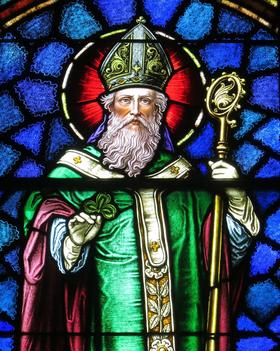
c. 461A stained-glass window of a white-bearded bishop in green vestments and a mitre, holding a crozier
Saint

St. Patrick, bishop and apostle of Ireland

St. Patrick Confession, 1

“I, Patrick, a sinner, most rustic, the least of all the faithful, and utterly despised by many. My father was Calpornius, a deacon, son of Potitus, a priest, of the village Bannavem Taburnia; he had a country seat nearby, and there I was taken captive. I was then about sixteen years of age. I did not know the true God. I was taken into captivity to Ireland with many thousands of people”

Read it in the source: EWTN Library

See it on the timeline: Saints of the age of the Fathers, 313 to 604

c. 543
Saint

St. Scholastica, virgin

Pope St. Gregory the Great Dialogues, Book 2, ch. 34 (written c. 593)

“The next day the venerable woman returned to her Nunnery, and the man of God to his Abbey: who three days after, standing in his cell, and lifting up his eyes to heaven, beheld the soul of his sister (which was departed from her body), in the likeness of a dove to ascend into heaven: who rejoicing much to see her great glory, with hymns and lauds gave thanks to almighty God, and did impart the news of this her death to his monks, whom also he sent presently to bring her corpse to his Abbey, to have it buried in that grave which he had provided for himself”

Read it in the source: tertullian.org

See it on the timeline: Saints of the age of the Fathers, 313 to 604

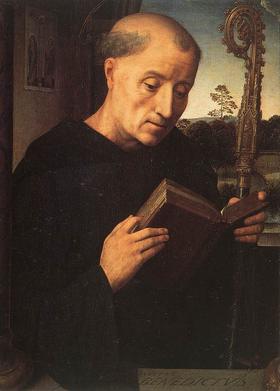
547A monk in a black habit reads a book, holding an abbot's staff, with a landscape behind him
Saint

St. Benedict of Norcia, abbot

Pope Benedict XVI General Audience, 9 April 2008

“Indeed, when Benedict's earthly life ended on 21 March 547, he bequeathed with his Rule and the Benedictine family he founded a heritage that bore fruit in the passing centuries and is still bearing fruit throughout the world.”

Read it in the source: vatican.va

See it on the timeline: Saints through the centuries

547
Saint

St. Benedict of Norcia, abbot

Pope St. Gregory the Great Dialogues, Book 2, ch. 37 (written c. 593)

“Six days before he left this world, he gave order to have his sepulchre opened, and forthwith falling into an ague, he began with burning heat to wax faint, and when as the sickness daily increased, upon the sixth day he commanded his monks to carry him into the oratory, where he did arm himself with receiving the body and blood of our Saviour Christ; and having his weak body holden up betwixt the hands of his disciples, he stood with his own lifted up to heaven, and as he was in that manner praying, he gave up the ghost.”

Read it in the source: tertullian.org

See it on the timeline: Saints of the age of the Fathers, 313 to 604

after 555
Saint

St. Romanus the Melodist, deacon

Pope Benedict XVI General Audience, 21 May 2008

“It was here that the key episode of his life occurred: the Synaxarion [The Lives of the Orthodox Saints] informs us of the apparition of the Mother of God in a dream, and of the gift of the poetic charism. In fact, Mary enjoined him to swallow a scroll. On awakening the following morning - it was the Feast of the Nativity of the Lord - Romanus began declaiming from the ambo "Today the Virgin gives birth to the Transcendent" (Hymn "On the Nativity" I. Proemio). So it was that he became a homilist-cantor until his death (after 555).”

Read it in the source: vatican.va

See it on the timeline: Saints of the age of the Fathers, 313 to 604

597
Saint

St. Columba of Iona, abbot

St. Adomnan of Iona Life of St. Columba, Book 3, ch. 24 (written c. 700)

“Then as soon as the bell tolled at midnight, he rose hastily, and went to the church; and running more quickly than the rest, he entered it alone, and knelt down in prayer beside the altar. … Diormit then raised the holy right hand of the saint, that he might bless his assembled monks. … And having given them his holy benediction in this way, he immediately breathed his last.”

Read it in the source: Fordham Sourcebook

See it on the timeline: Saints of the age of the Fathers, 313 to 604

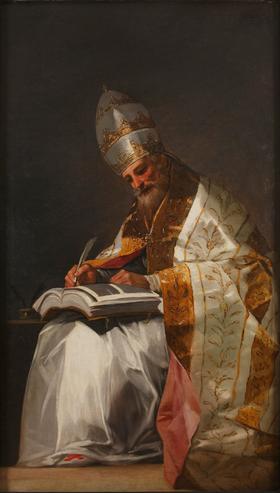
604A pope in a tiara and a pale cope bends over a large book, writing
Saint

St. Gregory the Great, pope and Doctor

Pope Benedict XVI General Audience, 4 June 2008

“Gregory remained a simple monk in his heart and therefore was decisively contrary to great titles. He wanted to be - and this is his expression - servus servorum Dei. … He knew how to make himself the "servant of the servants". Precisely because he was this, he is great and also shows us the measure of true greatness.”

Read it in the source: vatican.va

See it on the timeline: Saints of the age of the Fathers, 313 to 604

c. 605
Saint

St. Augustine of Canterbury, bishop

St. Bede Ecclesiastical History of the English Nation, Book 2, ch. 3 (written c. 731)

“On the tomb of the said Augustine is written this epitaph - "Here rests the Lord Augustine, first archbishop of Canterbury, who, being formerly sent hither by the blessed Gregory, bishop of the city of Rome, and by God's assistance supported with miracles, reduced King Ethelbert and his nation from the worship of idols to the faith of Christ, and having ended the days of his office in peace, died the 26th day of May, in the reign of the same king."”

Read it in the source: Fordham Sourcebook

See it on the timeline: Saints of the early Middle Ages, 605 to 1050

615
Saint

St. Columban, abbot

Pope Benedict XVI General Audience, 11 June 2008

“When, in 612 or 613, the King of the Lombards allocated to him a plot of land in Bobbio, in the Trebbia Valley, Columban founded a new monastery there which was later to become a cultural centre on a par with the famous monastery of Monte Cassino. Here he came to the end of his days: he died on 23 November 615 and to this day is commemorated on this date in the Roman rite.”

Read it in the source: vatican.va

See it on the timeline: Saints of the early Middle Ages, 605 to 1050

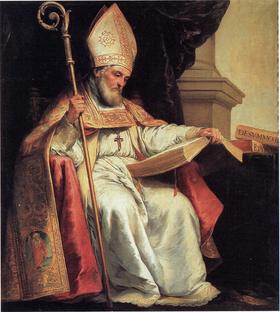
636An old bishop in white and gold vestments and a mitre sits reading a large book, holding a crozier
Saint

St. Isidore of Seville, bishop and Doctor

Pope Benedict XVI General Audience, 18 June 2008

“A few years after his death in 636, the Council of Toledo in 653 described him as "an illustrious teacher of our time and the glory of the Catholic Church".”

Read it in the source: vatican.va

See it on the timeline: Saints of the early Middle Ages, 605 to 1050

651
Saint

St. Aidan of Lindisfarne, bishop

St. Bede Ecclesiastical History of the English Nation, Book 3, ch. 5 (written c. 731)

“it was the highest commendation of his doctrine, with all men, that he taught no otherwise than he and his followers had lived; for he neither sought nor loved any thing of this world, but delighted in distributing immediately among the poor whatsoever was given him by the kings or rich men of the world. He was wont to traverse both town and country on foot, never on horseback, unless compelled by some urgent necessity”

Read it in the source: Fordham Sourcebook

See it on the timeline: Saints of the early Middle Ages, 605 to 1050

662
Saint

St. Maximus the Confessor, monk

Pope Benedict XVI General Audience, 25 June 2008

“The Emperor's tribunal condemned him with the accusation of heresy, sentencing him to the cruel mutilation of his tongue and his right hand - the two organs through which, by words and writing, Maximus had fought the erroneous doctrine of the single will of Christ. In the end, thus mutilated, the holy monk was finally exiled to the region of Colchis on the Black Sea where he died, worn out by the suffering he had endured, at the age of 82, on 13 August that same year, 662.”

Read it in the source: vatican.va

See it on the timeline: Saints of the early Middle Ages, 605 to 1050

680
Saint

St. Hilda of Whitby, abbess

St. Bede Ecclesiastical History of the English Nation, Book 4, ch. 23 (written c. 731)

“Thus this servant of Christ, Abbess Hilda, whom all that knew her called Mother, for her singular piety and grace, was not only an example of good life, to those that lived in her monastery, but afforded occasion of amendment and salvation to many who lived at a distance, to whom the fame was brought of her industry and virtue”

Read it in the source: Fordham Sourcebook

See it on the timeline: Saints of the early Middle Ages, 605 to 1050

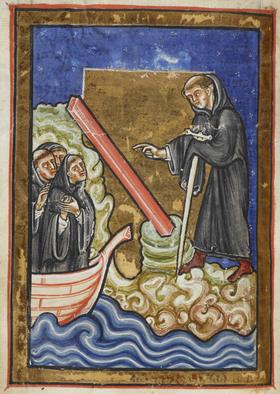
687A manuscript painting of a monk standing on a shore pointing at a wooden beam, with other monks watching from a boat
Saint

St. Cuthbert of Lindisfarne, bishop

St. Bede Ecclesiastical History of the English Nation, Book 4, ch. 27 (written c. 731)

“the holy and venerable Cuthbert, who had for many years led a solitary life, in great continence of body and mind, in a very small island, called Farne, distant almost nine miles from that same church, in the ocean. From his very childhood he had always been inflamed with the desire of a religious life; but he took upon him the habit and name of a monk when he was a young man”

Read it in the source: Fordham Sourcebook

See it on the timeline: Saints of the early Middle Ages, 605 to 1050

735An old monk sits propped in a chair, speaking, while a young monk kneels beside him writing on a scroll
Saint

St. Bede the Venerable, priest and Doctor

St. Bede Ecclesiastical History of the English Nation, Book 5, ch. 24, as quoted by Benedict XVI, General Audience, 18 February 2009

“I wholly applied myself to the study of Scripture; and amidst the observance of the monastic Rule and the daily charge of singing in church, I always took delight in learning, or teaching, or writing”

Read it in the source: vatican.va

See it on the timeline: Saints of the early Middle Ages, 605 to 1050

739
Saint

St. Willibrord, bishop and missionary

Alcuin of York The Life of Willibrord, ch. 5 (written c. 796)

“He had heard that in the northern regions of the world the harvest was great but the labourers few. Thus it was that, in fulfilment of the dream which his mother stated she had seen, Willibrord, fully aware of his own purpose but ignorant as yet of divine preordination, decided to sail for those parts and, if God so willed, to bring the light of the Gospel message to those people who through unbelief had not been stirred by its warmth. So he embarked on a ship, taking with him eleven others who shared his enthusiasm for the faith.”

Read it in the source: Fordham Sourcebook

See it on the timeline: Saints of the early Middle Ages, 605 to 1050

c. 749A monk in a turban and brown robes with a halo holds an unrolled scroll of Greek text
Saint

St. John Damascene, priest and Doctor

Pope Benedict XVI General Audience, 6 May 2009

“Very soon, however, dissatisfied with life at court, he decided on a monastic life, and entered the monastery of Mar Saba, near Jerusalem. This was around the year 700. He never again left the monastery, but dedicated all his energy to ascesis and literary work, not disdaining a certain amount of pastoral activity, as is shown by his numerous homilies. His liturgical commemoration is on the 4 December. Pope Leo XIII proclaimed him Doctor of the Universal Church in 1890.”

Read it in the source: vatican.va

See it on the timeline: Saints of the early Middle Ages, 605 to 1050

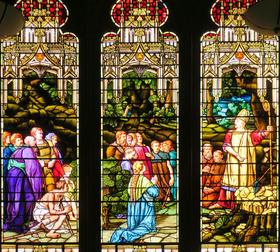
754A stained-glass window in three lights of a bishop preaching to a crowd beside a fallen tree
Saint

St. Boniface, bishop and martyr

Pope Benedict XVI General Audience, 11 March 2009, quoting Willibald's Life of St. Boniface

“While he was beginning the celebration of Mass at Dokkum (in what today is northern Holland) on 5 June 754, he was assaulted by a band of pagans. Advancing with a serene expression he "forbade his followers from fighting saying, "cease, my sons, from fighting, give up warfare, for the witness of Scripture recommends that we do not give an eye for an eye but rather good for evil. Here is the long awaited day, the time of our end has now come; courage in the Lord!'"”

Read it in the source: vatican.va

See it on the timeline: Saints through the centuries

754
Saint

St. Boniface, bishop and martyr

St. Boniface Letter, as quoted by Benedict XVI, General Audience, 11 March 2009

“We are united in the fight on the Lord's Day, because days of affliction and wretchedness have come.... We are not mute dogs or taciturn observers or mercenaries fleeing from wolves! On the contrary, we are diligent Pastors who watch over Christ's flock, who proclaim God's will to the leaders and ordinary folk, to the rich and the poor... in season and out of season...”

Read it in the source: vatican.va

See it on the timeline: Saints of the early Middle Ages, 605 to 1050

782
Saint

St. Leoba, abbess

Rudolf of Fulda Life of Leoba (written c. 836)

“She was ever on her guard not to teach others what she did not carry out herself. In her conduct there was no arrogance or pride; she was no distinguisher of persons, but showed herself affable and kindly to all. In appearance she was angelic, in word pleasant, dear in mind, great in prudence, Catholic in faith, most patient in hope, universal in her charity.”

Read it in the source: Fordham Sourcebook

See it on the timeline: Saints of the early Middle Ages, 605 to 1050

The Middle Ages800 to 1500
826
Saint

St. Theodore the Studite, abbot

Pope Benedict XVI General Audience, 27 May 2009

“Between 815 and 821, Theodore was scourged, imprisoned and exiled to various places in Asia Minor. In the end he was able to return to Constantinople but not to his own monastery. He therefore settled with his monks on the other side of the Bosporus. He is believed to have died in Prinkipo on 11 November 826, the day on which he is commemorated in the Byzantine Calendar.”

Read it in the source: vatican.va

See it on the timeline: Saints of the early Middle Ages, 605 to 1050

865
Saint

St. Ansgar, bishop and missionary

St. Ansgar Saying reported by Rimbert, Life of Anskar, ch. 39, in the wording of the translator's introduction on the linked page

“Were I worthy of such a favour from my God, I would ask that He would grant to me this one miracle, that by His grace He would make of me a good man.”

Read it in the source: Fordham Sourcebook

See it on the timeline: Saints of the early Middle Ages, 605 to 1050

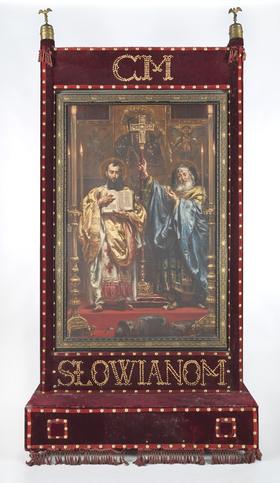
869A painting set in a red banner embroidered with the letters C and M, showing two churchmen standing before a cross
Saint

St. Cyril, monk and apostle of the Slavs

Pope Benedict XVI General Audience, 17 June 2009, quoting the prayer of St. Cyril

“He addressed this prayer to God: "Lord, my God... hear my prayers and keep the flock you have entrusted to me faithful .... Free them from the heresy of the three languages, gather them all in unity and make the people you have chosen agree in the true faith and confession". He died on 14 February 869.”

Read it in the source: vatican.va

See it on the timeline: Saints of the early Middle Ages, 605 to 1050

885
Saint

St. Methodius, bishop and apostle of the Slavs

Pope St. John Paul II Encyclical Slavorum Apostoli (2 June 1985), 6

“He devoted the last years of his life principally to making further translations of the Sacred Scriptures, the liturgical books, the works of the Fathers of the Church and also the collection of ecclesiastical and Byzantine civil laws called the Nomocanon. Concerned for the survival of the work which he had begun, he named as his successor his disciple Gorazd. He died on 6 April 885 in the service of the Church established among the Slav peoples.”

Read it in the source: vatican.va

See it on the timeline: Saints of the early Middle Ages, 605 to 1050

c. 935
Saint

St. Wenceslaus, duke of Bohemia and martyr

Pope Benedict XVI Homily at Stará Boleslav, 28 September 2009, quoting the first Old Slavonic Life

“In the first Old Slavonic “narration”, we read that “he assisted God’s ministers and he also adorned many churches” and that “he was benevolent to the poor, clothed the naked, gave food to the hungry, welcomed pilgrims, just as the Gospel enjoins. He did not allow injustice to be done to widows, he loved all people, whether poor or rich”.”

Read it in the source: vatican.va

See it on the timeline: Saints of the early Middle Ages, 605 to 1050

942
Saint

St. Odo, abbot of Cluny

Pope Benedict XVI General Audience, 2 September 2009

“Fascinated by the Benedictine ideal, Odo left Tours and entered the Benedictine Abbey of Baume as a monk; he later moved to Cluny, of which in 927 he became abbot. From that centre of spiritual life he was able to exercise a vast influence over the monasteries on the continent. … He actually fell ill in Rome in the summer of 942. Feeling that he was nearing his end, he was determined, and made every effort, to return to St Martin in Tours, where he died, in the Octave of the Saint's feast, on 18 November 942.”

Read it in the source: vatican.va

See it on the timeline: Saints of the early Middle Ages, 605 to 1050

969
Saint

St. Olga, princess of Kyiv

Pope St. John Paul II Apostolic Letter Euntes in Mundum (25 January 1988), 3

“In this setting, already prepared, Princess Olga had herself freely and publicly baptized about 955, and afterwards remained always faithful to her baptismal promises.”

Our translation. The words as written, in Italian:

“In questo ambiente, già preparato, la principessa Olga si fece liberamente e pubblicamente battezzare verso il 955, rimanendo poi sempre fedele alle promesse battesimali.”

Read it in the source: vatican.va

See it on the timeline: Saints of the early Middle Ages, 605 to 1050

997
Saint

St. Adalbert of Prague, bishop and martyr

Pope St. John Paul II Homily at Gniezno, 3 June 1997

“Adalbert followed Christ. He made a long journey which took him from his native Libice to Prague, and from Prague to Rome. Then, after facing resistance from his fellow countrymen in Prague, he left as a missionary for the Pannonian Plain and from there, through the Moravian Gate to Gniezno and the Baltic. His mission in a sense was the crowning point of the evangelization of the lands of the Piast. And this was precisely because Adalbert bore witness to Christ by undergoing a martyr's death. Boleslaw the Brave ransomed the body of the Martyr and had it brought here, to Gniezno.”

Read it in the source: vatican.va

See it on the timeline: Saints of the early Middle Ages, 605 to 1050

c. 1003
Saint

St. Gregory of Narek, monk and Doctor

Pope Francis Message to the Armenians, 12 April 2015

“Saint Gregory of Narek, a monk of the tenth century, knew how to express the sentiments of your people more than anyone. He gave voice to the cry, which became a prayer, of a sinful and sorrowful humanity, oppressed by the anguish of its powerlessness, but illuminated by the splendour of God’s love and open to the hope of his salvific intervention, which is capable of transforming all things.”

Read it in the source: vatican.va

See it on the timeline: Saints of the early Middle Ages, 605 to 1050

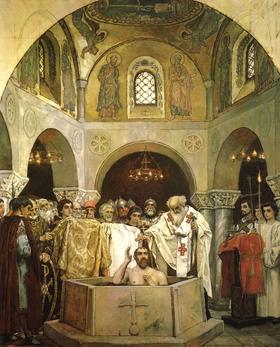
1015A prince stands in a stone font inside a church while a bishop in gold vestments baptizes him, with nobles and clergy around
Saint

St. Vladimir, prince of Kyiv

Pope St. John Paul II Homily at Kyiv, 24 June 2001, 3

“Saint Volodymyr and the inhabitants of Rus’ were baptized by missionaries sent from Constantinople, the greatest centre of Christianity in the East. Thus the new-born Church entered the sphere of the exceedingly rich patrimony of faith and culture of the Byzantine Church. This was at the end of the first millennium. While living according to two different traditions, the Church of Constantinople and the Church of Rome were still in full communion.”

Read it in the source: vatican.va

See it on the timeline: Saints of the early Middle Ages, 605 to 1050

1024
Saint

St. Henry II, emperor

Pope Benedict XVI Letter for the millennium of Bamberg Cathedral, 3 May 2012

“Let us then pause in front of the extraordinary funerary monument of St Henry and St Kunigunda (or St Cunegonde), a work by Riemenschneider. In them we find Christians, to us exemplary, who from the sacraments of Baptism to Confirmation and Matrimony, received the mandate and mission to serve the Kingdom of God in the world.”

Read it in the source: vatican.va

See it on the timeline: Saints of the early Middle Ages, 605 to 1050

1027
Saint

St. Romuald, abbot and founder of the Camaldolese

Pope Benedict XVI Homily at Vespers, San Gregorio al Celio, 10 March 2012

“Through the faithfulness and benevolence of the Lord, the Congregation of Camaldolese monks of the Order of Saint Benedict has completed a thousand years of history, feeding daily on the word of God and the Eucharist, as their founder Saint Romuald taught them, according to the triplex bonum of solitude, community life and evangelization.”

Read it in the source: vatican.va

See it on the timeline: Saints of the early Middle Ages, 605 to 1050

1030
Saint

St. Olaf, king of Norway and martyr

Pope St. John Paul II Homily at Trondheim, 2 June 1989

“You have come, like the pilgrims of old, to this revered city of Nidaros (now Trondheim) and shrine of Saint Olav, who heralded a new era of Christianity and unification in this land even though he did not live to see the fruits of his labour. His son, Magnus the Good, built the first wooden church on this site and it quickly became a place of pilgrimage. Already by the year 1060 a liturgy dedicated to Saint Olav was in use as far away as Northumberland in Britain.”

Read it in the source: vatican.va

See it on the timeline: Saints of the early Middle Ages, 605 to 1050

1038A young deacon with a halo against a gold ground, in a richly patterned vestment, holding a red book
Saint

St. Stephen, king of Hungary

Pope St. John Paul II Apostolic Letter for the conclusion of the Hungarian Millennium, 25 July 2001, 3

“Stephen did not accept the crown as an honour, but a service; he therefore, always and in all circumstances, sought the good of the community entrusted to him, both by organizing and defending the kingdom and by promulgating new decrees, as well as by fostering the development of the two cultures, the human and the divine.”

Read it in the source: vatican.va

See it on the timeline: Saints of the early Middle Ages, 605 to 1050

1049
Saint

St. Odilo, abbot of Cluny

Pope St. John Paul II Letter for the millennium of the Commemoration of All the Faithful Departed, 2 June 1998, 1

“on the day after the feast of All Saints, when the Church joyfully celebrates the communion of saints and human salvation, St Odilo urged his monks to say special prayers for all the dead, thus mysteriously contributing to their entry into beatitude; the custom of solemnly interceding for the dead in a celebration which St Odilo called All Souls Day gradually spread from the Abbey of Cluny and is now the practice throughout the universal Church.”

Read it in the source: vatican.va

See it on the timeline: Saints of the early Middle Ages, 605 to 1050

1072
Saint

St. Peter Damian, monk, bishop and Doctor

St. Peter Damian Sermon 47, 14, as quoted by Benedict XVI, General Audience, 9 September 2009

“O Blessed Cross … You are venerated, preached and honoured by the faith of the Patriarchs, the predictions of the Prophets, the senate that judges the Apostles, the victorious army of Martyrs and the throngs of all the Saints”

Read it in the source: vatican.va

See it on the timeline: Saints of the high Middle Ages, 1050 to 1500

1085
Saint

St. Gregory VII, pope

Pope Pius XII Radio message for the recognition of the relics of St. Gregory VII, 11 July 1954

“What then appeared supremely necessary, and what Gregory VII tenaciously willed, was to restore the Church to the independence, the unity and the holiness with which her divine Founder had endowed her. The Church needed to be free. And so Gregory VII accepted the conflict forced on him in order to free her, like an agile and healthy body, from the chains and hindrances set by earthly powers, especially in the freedom to choose her Pastors.”

Our translation. The words as written, in Italian:

“Ciò che appariva allora sommamente necessario, e che Gregorio VII tenacemente volle, era di ristabilire la Chiesa nella indipendenza, nella unità e nella santità, di cui il suo divino Fondatore l'aveva dotata. Occorreva che la Chiesa fosse libera. Ecco quindi Gregorio VII accettare il conflitto impostogli per affrancarla, quasi corpo agile e sano, dalle catene e dagl'intralci mossi dalle potestà terrene, specialmente nella libertà di scelta dei suoi Pastori.”

Read it in the source: vatican.va

See it on the timeline: Saints of the high Middle Ages, 1050 to 1500

1101
Saint

St. Bruno, founder of the Carthusians

Pope Benedict XVI Homily at Vespers, Charterhouse of Serra San Bruno, 9 October 2011

“However, the charterhouse is a special oasis in which silence and solitude are preserved with special care, in accordance with the form of life founded by St Bruno and which has remained unchanged down the centuries. “I live in a rather faraway hermitage... with some religious brothers”, is the concise sentence that your Founder wrote (Letter to Rudolph “the Green”, n. 4).”

Read it in the source: vatican.va

See it on the timeline: Saints of the high Middle Ages, 1050 to 1500

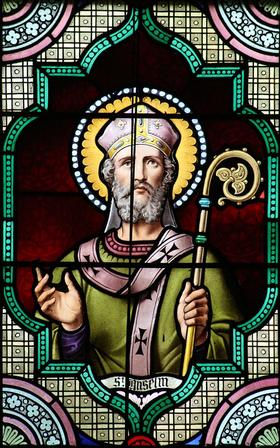
1109A stained-glass window of a bearded archbishop in a mitre holding a crozier and raising his hand
Saint

St. Anselm of Canterbury, archbishop and Doctor

St. Anselm Proslogion, ch. 1, as quoted by Benedict XVI, General Audience, 23 September 2009

“I do not endeavour, O Lord, to penetrate your sublimity, for in no wise do I compare my understanding with that; but I long to understand in some degree your truth, which my heart believes and loves. For I do not seek to understand that I may believe, but I believe in order to understand.”

Read it in the source: vatican.va

See it on the timeline: Saints through the centuries

1109
Saint

St. Anselm of Canterbury, archbishop and Doctor

Pope Benedict XVI General Audience, 23 September 2009

“He died on 21 April 1109, accompanied by the words of the Gospel proclaimed in Holy Mass on that day: "You are those who have continued with me in my trials; as my Father appointed a kingdom for me, so do I appoint for you that you may eat and drink at my table in my kingdom..." (Lk 22: 28-30). So it was that the dream of the mysterious banquet he had had as a small boy, at the very beginning of his spiritual journey, found fulfilment.”

Read it in the source: vatican.va

See it on the timeline: Saints of the high Middle Ages, 1050 to 1500

1153
Saint

St. Bernard of Clairvaux, abbot and Doctor

St. Bernard of Clairvaux Sermons on the Song of Songs 15, 6, as quoted by Benedict XVI, General Audience, 21 October 2009

“All food of the soul is dry … unless it is moistened with this oil; insipid, unless it is seasoned with this salt. What you write has no savour for me unless I have read Jesus in it”

Read it in the source: vatican.va

See it on the timeline: Saints of the high Middle Ages, 1050 to 1500

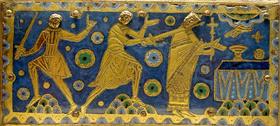
1170Gilded figures on a deep blue enamel ground: knights with swords strike an archbishop standing at an altar
Saint

St. Thomas Becket, archbishop and martyr

Pope Benedict XVI General Audience on John of Salisbury, 16 December 2009

“In fact, King Henry II wished to impose his authority on the internal life of the Church, curtailing her freedom. This stance provoked John of Salisbury to react and, in particular, prompted the valiant resistence of St Thomas Becket, Theobald's successor on the episcopal throne of Canterbury, who for this reason was exiled to France. … In 1170, when both John and Thomas Becket had returned to England, Thomas was attacked and murdered in his cathedral. He died a martyr and was immediately venerated as such by the people.”

Read it in the source: vatican.va

See it on the timeline: Saints of the high Middle Ages, 1050 to 1500

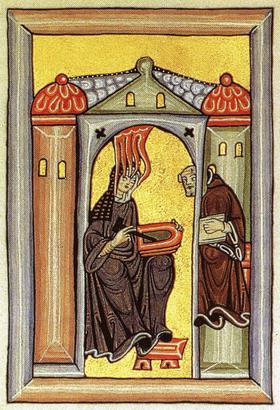
1179A nun sits in a small building with flames reaching down to her head, writing on a tablet, while a monk looks in from the side
Saint

St. Hildegard of Bingen, abbess and Doctor

St. Hildegard of Bingen Letter to St. Bernard, as quoted by Benedict XVI, General Audience, 8 September 2010

“The vision fascinates my whole being: I do not see with the eyes of the body but it appears to me in the spirit of the mysteries.... I recognize the deep meaning of what is expounded on in the Psalter, in the Gospels and in other books, which have been shown to me in the vision. This vision burns like a flame in my breast and in my soul and teaches me to understand the text profoundly”

Read it in the source: vatican.va

See it on the timeline: Saints of the high Middle Ages, 1050 to 1500

1214, by tradition
Saint

Our Lady gives the Rosary to St. Dominic, as St. Louis de Montfort retells it from Bl. Alan de la Roche

St. Louis Marie de Montfort The Secret of the Rosary, Second Rose, 11 (written before 1716; Montfort Missionaries)

“It was given to the Church by St. Dominic, who had received it from the Blessed Virgin as a means of converting the Albigensians and other sinners. I will tell you the story of how he received it, which is found in the very well-known book De Dignitate Psalterii, by Blessed Alan de la Roche. … At this point our Lady appeared to him, accompanied by three angels, and she said, “Dear Dominic, do you know which weapon the Blessed Trinity wants to use to reform the world?” … Then our Lady replied, “I want you to know that, in this kind of warfare, the principal weapon has always been the Angelic Psalter, which is the foundation-stone of the New Testament. Therefore, if you want to reach these hardened souls and win them over to God, preach my Psalter.””

Read it in the source: montfort.org.uk

See it on the timeline: The Rosary

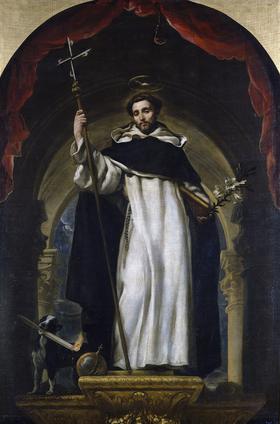
1221A friar in a white habit and black cloak stands in a niche holding a cross and a lily, with a dog carrying a torch at his feet
Saint

St. Dominic, founder of the Order of Preachers

Bl. Jordan of Saxony Libellus on the beginnings of the Order of Preachers, as quoted by Benedict XVI, General Audience, 3 February 2010

“All men were swept into the embrace of his charity, and, in loving all, he was beloved by all.... He claimed it his right to rejoice with the joyful and to weep with the sorrowful”

Read it in the source: vatican.va

See it on the timeline: Saints of the high Middle Ages, 1050 to 1500

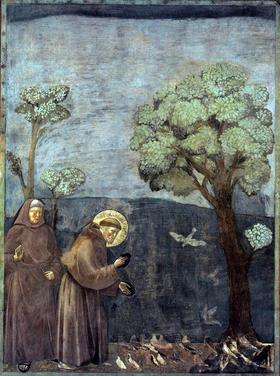
1226A friar with a halo bends towards a flock of birds on the ground beneath a tree, with another friar behind him
Saint

St. Francis of Assisi, founder of the Friars Minor

Pope Benedict XVI General Audience, 27 January 2010

“The death of Francis his transitus occurred on the evening of 3 October 1226, in the Portiuncula. After having blessed his spiritual children, he died, lying on the bare earthen floor. Two years later Pope Gregory ix entered him in the roll of saints.”

Read it in the source: vatican.va

See it on the timeline: Saints through the centuries

1226
Saint

St. Francis of Assisi, founder of the Friars Minor

Pope Benedict XVI General Audience, 27 January 2010

“Three times Christ on the Cross came to life, and told him: "Go, Francis, and repair my Church in ruins". This simple occurrence of the word of God heard in the Church of St Damian contains a profound symbolism. At that moment St Francis was called to repair the small church, but the ruinous state of the building was a symbol of the dramatic and disquieting situation of the Church herself.”

Read it in the source: vatican.va

See it on the timeline: Saints of the high Middle Ages, 1050 to 1500

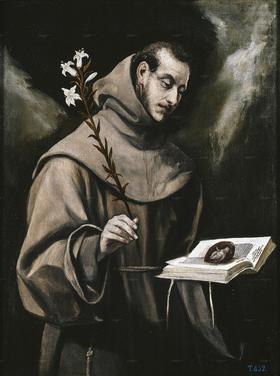
1231A young friar in a grey habit holds a lily and an open book on which a tiny figure of the Christ Child appears
Saint

St. Anthony of Padua, friar and Doctor

St. Anthony of Padua Sermones Dominicales et Festivi III, as quoted by Benedict XVI, General Audience, 10 February 2010

“Christ who is your life is hanging before you, so that you may look at the Cross as in a mirror. There you will be able to know how mortal were your wounds, that no medicine other than the Blood of the Son of God could heal. If you look closely, you will be able to realize how great your human dignity and your value are.... Nowhere other than looking at himself in the mirror of the Cross can man better understand how much he is worth”

Read it in the source: vatican.va

See it on the timeline: Saints of the high Middle Ages, 1050 to 1500

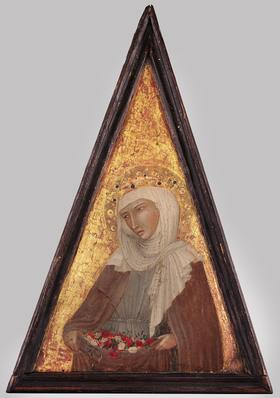
1231A triangular gold panel of a woman in a veil gathering roses in the fold of her cloak
Saint

St. Elizabeth of Hungary, princess and servant of the poor

Pope Benedict XVI General Audience, 20 October 2010

“Once, on entering a church on the Feast of the Assumption, she took off her crown, laid it before the Crucifix and, covering her face, lay prostrate on the ground. When her mother-in-law reprimanded her for this gesture, Elizabeth answered: "How can I, a wretched creature, continue to wear a crown of earthly dignity, when I see my King Jesus Christ crowned with thorns?”.”

Read it in the source: vatican.va

See it on the timeline: Saints of the high Middle Ages, 1050 to 1500

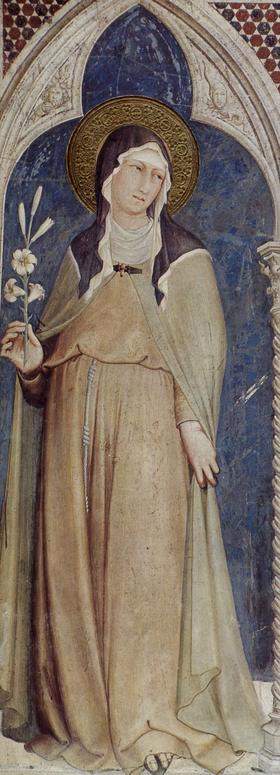
1253A wall painting of a young woman with a halo in a pale habit and veil, holding a lily
Saint

St. Clare of Assisi, foundress of the Poor Clares

St. Clare of Assisi Blessing of St. Clare (FF 2856), as quoted by Benedict XVI, General Audience, 15 September 2010

“I give you my blessing now while living, and after my death, in as far as I may: nay, even more than I may, I call down on you all the blessings that the Father of mercies has bestowed and continues to bestow on his spiritual sons and daughters both in Heaven and on earth, and with which a spiritual father and mother have blessed and will bless their spiritual sons and daughters. Amen”

Read it in the source: vatican.va

See it on the timeline: Saints of the high Middle Ages, 1050 to 1500

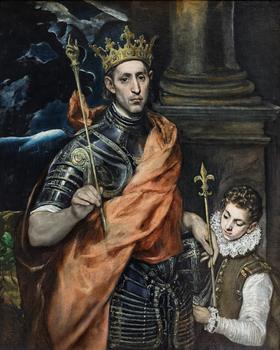
1270A king in armour and a crown, with an orange cloak, holds a sceptre topped with a fleur-de-lis, a boy beside him holding his helmet
Saint

St. Louis IX, King of France

St. Louis IX Spiritual Testament to his son, as quoted by Benedict XVI, Angelus, 29 August 2010

“If the Lord grant you some prosperity, not only must you humbly thank him but take care not to become worse by boasting or in any other way, make sure, that is, that you do not come into conflict with God or offend him with his own gifts”

Read it in the source: vatican.va

See it on the timeline: Saints of the high Middle Ages, 1050 to 1500

1270
Saint

St. Louis IX, King of France

Pope Benedict XVI Angelus, 29 August 2010

“St Louis IX, King of France whose Memorial was last Wednesday put into practice what is written in the Book of Sirach: "The greater you are, the more you must humble yourself; so you will find favour in the sight of the Lord" (3: 18).”

Read it in the source: vatican.va

See it on the timeline: Saints of the high Middle Ages, 1050 to 1500

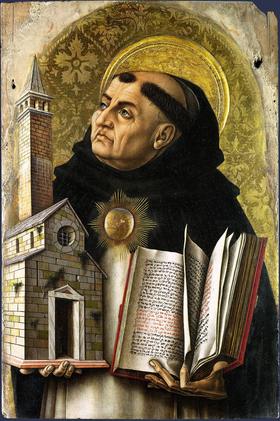
1274A Dominican friar with a tonsure and a gold halo holds an open book and a small church, with a shining sun on his chest
Saint

St. Thomas Aquinas, friar and Doctor

Pope Benedict XVI General Audience, 2 June 2010

“While, as was his wont, the Saint was praying before the Crucifix in the early morning in the chapel of St Nicholas in Naples, Domenico da Caserta, the church sacristan, overheard a conversation. Thomas was anxiously asking whether what he had written on the mysteries of the Christian faith was correct. And the Crucified One answered him: "You have spoken well of me, Thomas. What is your reward to be?". And the answer Thomas gave him was what we too, friends and disciples of Jesus, always want to tell him: "Nothing but Yourself, Lord!"”

Read it in the source: vatican.va

See it on the timeline: Saints of the high Middle Ages, 1050 to 1500

1274
Saint

St. Bonaventure, friar, bishop and Doctor

St. Bonaventure Letter on three questions to an unnamed master, as quoted by Benedict XVI, General Audience, 3 March 2010

“I confess before God that the reason which made me love the life of blessed Francis most is that it resembled the birth and early development of the Church. The Church began with simple fishermen, and was subsequently enriched by very distinguished and wise teachers; the religion of Blessed Francis was not established by the prudence of men but by Christ”

Read it in the source: vatican.va

See it on the timeline: Saints of the high Middle Ages, 1050 to 1500

1275
Saint

St. Raymond of Penyafort, Dominican and canon lawyer

Dicastery for the Causes of Saints Profile of St. Raymond of Penyafort, biography

“Death reaches him, when he is 100 years old, on 6 January 1275 in Barcelona, and it is said that during his funeral many miracles took place. He was made a saint in 1601 by Pope Clement VIII, and today his mortal remains are kept in the cathedral of the capital of Catalonia.”

Our translation. The words as written, in Italian:

“La morte lo raggiunge, quando ha 100 anni, il 6 gennaio 1275 a Barcellona, e si dice che durante le sue esequie avvennero molti miracoli. Fu fatto santo nel 1601 da Papa Clemente VIII e oggi i suoi resti mortali sono custoditi nella cattedrale della capitale della Catalogna.”

Read it in the source: Dicastery for the Causes of Saints

See it on the timeline: Saints of the high Middle Ages, 1050 to 1500

1280A wall painting of a Dominican bishop in a mitre seated at a desk with books
Saint

St. Albert the Great, bishop and Doctor

Pope Benedict XVI General Audience, 24 March 2010

“He died in his cell at the convent of the Holy Cross, Cologne, in 1280, and was very soon venerated by his confreres. The Church proposed him for the worship of the faithful with his beatification in 1622 and with his canonization in 1931, when Pope Pius XI proclaimed him Doctor of the Church.”

Read it in the source: vatican.va

See it on the timeline: Saints of the high Middle Ages, 1050 to 1500

1280
Saint

St. Albert the Great, bishop and Doctor

Pope Benedict XVI General Audience, 24 March 2010

“The Bible speaks to us of creation as of the first language through which God who is supreme intelligence, who is the Logos reveals to us something of himself. The Book of Wisdom, for example, says that the phenomena of nature, endowed with greatness and beauty, is like the works of an artist through which, by analogy, we may know the Author of creation (cf. Wis 13: 5).”

Read it in the source: vatican.va

See it on the timeline: Saints of the high Middle Ages, 1050 to 1500

1292
Saint

St. Kinga, princess of Kraków and Poor Clare

Pope St. John Paul II Homily at the canonization of Bl. Kinga, Stary Sącz, 16 June 1999

“During unrest within the state, during the struggle for power in a kingdom divided into regions, during the devastating invasions of the Tartars, Saint Kinga was able to rise to the needs of the moment. She worked zealously for the unity of the Piast heritage, and in order to raise the country from ruin she did not hesitate to give away the entire dowry received from her father. … First and foremost, however, she was attentive to the needs of her subjects. The old biographies written on her confirm this, testifying that the people called her their “comforter”, “physician”, “nurse”, “holy mother”.”

Read it in the source: vatican.va

See it on the timeline: Saints of the high Middle Ages, 1050 to 1500

1301 or 1302
Saint

St. Gertrude the Great, nun of Helfta

St. Gertrude the Great Spiritual Exercises, seventh Exercise, as quoted by Benedict XVI, General Audience, 6 October 2010

“O Jesus, you who are immensely dear to me, be with me always, so that my heart may stay with you and that your love may endure with me with no possibility of division; and bless my passing, so that my spirit, freed from the bonds of the flesh, may immediately find rest in you. Amen”

Read it in the source: vatican.va

See it on the timeline: Saints of the high Middle Ages, 1050 to 1500

1309
Saint

St. Angela of Foligno, Franciscan tertiary and mystic

St. Angela of Foligno The Book of Blessed Angela of Foligno, as quoted by Benedict XVI, General Audience, 13 October 2010

“The more you pray … the more illumined you will be and the more profoundly and intensely you will see the supreme Good, the supremely good Being; the more profoundly and intensely you see him, the more you will love him; the more you love him the more he will delight you; and the more he delights you, the better you will understand him and you will become capable of understanding him. You will then reach the fullness of light, for you will understand that you cannot understand”

Read it in the source: vatican.va

See it on the timeline: Saints of the high Middle Ages, 1050 to 1500

1345
Saint

St. Peregrine Laziosi, Servite friar

Dicastery for the Causes of Saints Profile of St. Peregrine Laziosi

“A religious of the Order of the Servants of Mary who, in keeping with his condition as a servant of the Mother of God, shone in devotion to her Son Jesus and in care for the poor.”

Our translation. The words as written, in Italian:

“Religioso dell’Ordine dei Servi di Maria, che, in coerenza con la sua condizione di servo della Madre di Dio, rifulse nella devozione verso il Figlio Gesù e nella sollecitudine per i poveri”

Read it in the source: Dicastery for the Causes of Saints

See it on the timeline: Saints of the high Middle Ages, 1050 to 1500

1373A woman in a white veil and wimple with a large gold halo, her head bowed
Saint

St. Bridget of Sweden, widow and foundress

Pope Benedict XVI General Audience, 27 October 2010

“In those years the Pontiffs lived at Avignon, a long way from Rome: Bridget addressed a heartfelt plea to them to return to the See of Peter, in the Eternal City. She died in 1373, before Pope Gregory XI returned to Rome definitively.”

Read it in the source: vatican.va

See it on the timeline: Saints of the high Middle Ages, 1050 to 1500

1380A nun in a white habit and black cloak kneels and holds out her hand to Christ, who stands among a group of saints with gold halos
Saint

St. Catherine of Siena, virgin and Doctor

Pope Benedict XVI General Audience, 24 November 2010

“When the fame of her holiness spread, she became the protagonist of an intense activity of spiritual guidance for people from every walk of life: nobles and politicians, artists and ordinary people, consecrated men and women and religious, including Pope Gregory xi who was living at Avignon in that period and whom she energetically and effectively urged to return to Rome.”

Read it in the source: vatican.va

See it on the timeline: Saints through the centuries

1380
Saint

St. Catherine of Siena, virgin and Doctor

St. Catherine of Siena Raymond of Capua, Legenda maior, n. 363, as quoted by Benedict XVI, General Audience, 24 November 2010

“in leaving my body, truly I have consumed and given my life in the Church and for the Holy Church, which is for me a most unique grace”

Read it in the source: vatican.va

See it on the timeline: Saints of the high Middle Ages, 1050 to 1500

1399
Saint

St. Hedwig (Jadwiga), Queen of Poland

Pope St. John Paul II Homily at the canonization of Bl. Queen Hedwig, Kraków, 8 June 1997

“Hedwig was also well aware that faith seeks rational understanding, that faith needs culture and forms cultures, that faith lives in the world of culture. And she spared nothing to enrich Poland with the whole spiritual heritage both of ancient times and of the middle ages. She gave to the University even her golden sceptre, using instead one of gilded wood.”

Read it in the source: vatican.va

See it on the timeline: Saints of the high Middle Ages, 1050 to 1500

1431A young woman in full armour stands beside an altar holding a white banner, her eyes raised
Saint

St. Joan of Arc, virgin

Pope Benedict XVI General Audience, 26 January 2011

“She asked one of the priests to hold up a processional Cross in front of the stake. Thus she died, her gaze fixed upon the Crucified Jesus and crying out several times the Name of Jesus (PNul, I, p. 457; cf. Catechism of the Catholic Church, n. 435). About 25 years later the Trial of Nullity, which opened under the authority of Pope Calixtus III, ended with a solemn sentence that declared the condemnation null and void (7 July 1456; PNul, II, pp. 604-610).”

Read it in the source: vatican.va

See it on the timeline: Saints of the high Middle Ages, 1050 to 1500

1440
Saint

St. Frances of Rome, wife, mother and foundress

Dicastery for the Causes of Saints Profile of St. Frances of Rome

“A religious who, married at a young age and having lived forty years in marriage, was a wife and mother of spotless virtue, admirable for piety, humility and patience. In times of hardship she gave her goods to the poor, served the sick and, at the death of her husband, withdrew among the oblates whom she herself had gathered in Rome under the rule of Saint Benedict.”

Our translation. The words as written, in Italian:

“Religiosa, che, sposata in giovane età e vissuta per quarant’anni nel matrimonio, fu moglie e madre di specchiata virtù, ammirevole per pietà, umiltà e pazienza. In tempi di difficoltà, distribuì i suoi beni ai poveri, servì i malati e, alla morte del marito, si ritirò tra le oblate che ella stessa aveva riunito a Roma sotto la regola di san Benedetto”

Read it in the source: Dicastery for the Causes of Saints

See it on the timeline: Saints of the high Middle Ages, 1050 to 1500

1444A tall thin friar in a grey habit holds a staff topped with a shining disc, with three mitres on the ground beside him
Saint

St. Bernardine of Siena, Franciscan preacher

St. Bernardine of Siena Sermon 49, On the glorious Name of Jesus Christ, ch. 2, as given among the Holy See's Paths of the Spirit readings

“The name of Jesus is the glory of preachers, because the shining splendor of that name causes his word to be proclaimed and heard. And how do you think such an immense, sudden and dazzling light of faith came into the world, if not because Jesus was preached? … So this name must be proclaimed, that it may shine out and never be suppressed.”

Read it in the source: vatican.va

See it on the timeline: Saints of the high Middle Ages, 1050 to 1500

1456
Saint

St. John of Capistrano, Franciscan preacher

Dicastery for the Causes of Saints Profile of St. John of Capistrano

“A priest of the Order of Friars Minor, who defended the observance of the rule and carried out his ministry through almost the whole of Europe in support of the Catholic faith and morals. With the fervour of his exhortations and prayers he encouraged the faithful people and worked for the defence of the freedom of Christians. He died near Ujlak on the bank of the Danube in the kingdom of Hungary.”

Our translation. The words as written, in Italian:

“Sacerdote dell’Ordine dei Minori, che difese l’osservanza della regola e svolse il suo ministero per quasi tutta l’Europa a sostegno della fede e della morale cattolica. Con il fervore delle sue esortazioni e delle sue preghiere incoraggiò il popolo dei fedeli e si impegnò nella difesa della libertà dei cristiani. Morì presso Ujlak sulla riva del Danubio nel regno di Ungheria”

Read it in the source: Dicastery for the Causes of Saints

See it on the timeline: Saints of the high Middle Ages, 1050 to 1500

1457The white stone front of a church with two small towers under a deep blue sky
Saint

St. Rita of Cascia, widow and Augustinian nun

Dicastery for the Causes of Saints Profile of St. Rita of Cascia

“A religious who, married to a violent man, bore his ill-treatment with patience and in the end reconciled him with God; afterwards, left without husband and sons, she entered the monastery of the Order of Saint Augustine at Cascia in Umbria, offering to all a sublime example of patience and compunction.”

Our translation. The words as written, in Italian:

“Religiosa, che sposata con un uomo violento, sopportò con pazienza i suoi maltrattamenti, riconciliandolo infine con Dio; in seguito, rimasta priva del marito e dei figli, entrò nel monastero dell’Ordine di Sant’Agostino a Cascia in Umbria, offrendo a tutti un sublime esempio di pazienza e di compunzione”

Read it in the source: Dicastery for the Causes of Saints

See it on the timeline: Saints of the high Middle Ages, 1050 to 1500

1463
Saint

St. Catherine of Bologna, Poor Clare abbess

Pope Benedict XVI General Audience, 29 December 2010

“After receiving the last Sacraments, she give her confessor the text she had written: The Seven Spiritual Weapons, and entered her agony; her face grew beautiful and translucent; she still looked lovingly at those who surrounded her and died gently, repeating three times the name of Jesus. It was 9 March 1463 … Catherine was to be canonized by Pope Clement XI on 22 May 1712. Her incorrupt body is preserved in the city of Bologna, in the chapel of the monastery of Corpus Domini.”

Read it in the source: vatican.va

See it on the timeline: Saints of the high Middle Ages, 1050 to 1500

15th century, by tradition
Saint

The promises of Our Lady of the Rosary, from the writings of Bl. Alan de la Roche

Attributed to Bl. Alan de la Roche General Prayer Promises of Our Lady of the Rosary, 1-4 (EWTN)

“1. Whoever shall faithfully serve me by the recitation of the Rosary shall receive signal graces. 2. I promise my special protection and great benefits to all those who shall recite the Rosary. 3. The Rosary shall be a shield against hell, it destroys vice, decreases sin, and defeats heresies. 4. The Rosary brings forth virtue and makes the souls worthy of divine mercy; it substitutes divine love for human love, it elevates great desires for heavenly things. It is, in short, the means which will make you holy.”

Read it in the source: EWTN Library

See it on the timeline: The Rosary

1482
Saint

St. Simon of Lipnica, Franciscan priest

Pope Benedict XVI Homily at the canonization of four saints, 3 June 2007

“The new Saint, Simon of Lipnica, a great son of Poland, a witness of Christ and a follower of the spirituality of St Francis of Assisi, lived in a distant age but precisely today is held up to the Church as a timely model of a Christian who - enlivened by the spirit of the Gospel - was ready to dedicate his life to his brethren. Thus, filled with the mercy he drew from the Eucharist, he did not hesitate to help the sick who were struck by the plague, and he himself contracted this disease which led to his death.”

Read it in the source: vatican.va

See it on the timeline: Saints of the high Middle Ages, 1050 to 1500

1487
Saint

St. Nicholas of Flüe, father of a family and hermit

St. Nicholas of Flüe Prayer, as quoted in CCC 226

“My Lord and my God, take from me everything that distances me from you. My Lord and my God, give me everything that brings me closer to you My Lord and my God, detach me from myself to give my all to you.”

Read it in the source: vatican.va

See it on the timeline: Saints of the high Middle Ages, 1050 to 1500

1535A man in a black cap and a fur-collared coat with red velvet sleeves, wearing a gold chain of office
Saint

St. Thomas More, statesman and martyr

Pope John Paul II Apostolic Letter proclaiming St. Thomas More Patron of Statesmen and Politicians, 3 (31 October 2000)

“Thomas More did not allow himself to waver, and he refused to take the oath requested of him, since this would have involved accepting a political and ecclesiastical arrangement that prepared the way for uncontrolled despotism. … Condemned by the Court, he was beheaded. … And with John Fisher, he was canonized by Pius XI in 1935, on the fourth centenary of his martyrdom.”

Read it in the source: vatican.va

See it on the timeline: Saints through the centuries

1535
Saint

St. Thomas More, statesman and martyr

Pope John Paul II Apostolic Letter proclaiming St. Thomas More Patron of Statesmen and Politicians, 4 (31 October 2000)

“In this context, it is helpful to turn to the example of Saint Thomas More, who distinguished himself by his constant fidelity to legitimate authority and institutions precisely in his intention to serve not power but the supreme ideal of justice. His life teaches us that government is above all an exercise of virtue. Unwavering in this rigorous moral stance, this English statesman placed his own public activity at the service of the person, especially if that person was weak or poor”

Read it in the source: vatican.va

See it on the timeline: Saints of reform and mission, 1500 to 1800

1540
Saint

St. Angela Merici, founder of the Company of St. Ursula

Dicastery for the Causes of Saints Profile of St. Angela Merici, biography

“On 25 November 1535, then, together with twelve collaborators, she founds the "Company of the dimesse of Saint Ursula" ("dimesse" because they are without the traditional habit of nuns), with an original Rule of life: to be outside the cloister in order to devote themselves to the instruction and education of young women, in obedience to the bishop and to the Church.”

Our translation. The words as written, in Italian:

“Il 25 novembre 1535, dunque, insieme a dodici collaboratrici, fonda la “Compagnia delle dimesse di Sant’Orsola”, (“dimesse” perché prive del tradizionale abito monacale), con una Regola di vita originale: essere fuori dal chiostro per dedicarsi all’istruzione ed educazione delle giovani donne, in obbedienza al vescovo e alla Chiesa.”

Read it in the source: Dicastery for the Causes of Saints

See it on the timeline: Saints of reform and mission, 1500 to 1800

1548A painted altarpiece with the image of Our Lady of Guadalupe at the centre, angels at the sides and two men kneeling at the bottom corners
Saint

St. Juan Diego Cuauhtlatoatzin, layman of Mexico

Pope John Paul II Homily at the Canonization of Juan Diego Cuauhtlatoatzin, Mexico City, 4 (31 July 2002)

“In accepting the Christian message without forgoing his indigenous identity, Juan Diego discovered the profound truth of the new humanity, in which all are called to be children of God. Thus he facilitated the fruitful meeting of two worlds and became the catalyst for the new Mexican identity, closely united to Our Lady of Guadalupe, whose mestizo face expresses her spiritual motherhood which embraces all Mexicans.”

Read it in the source: vatican.va

See it on the timeline: Saints of reform and mission, 1500 to 1800

1552A bearded priest in black looks up to heaven with a pilgrim's staff, a flame at his breast
Saint

St. Francis Xavier, missionary in Asia

Pope Benedict XVI Address to the Fathers and Brothers of the Society of Jesus, 22 April 2006

“St Francis Xavier, whom my Predecessor Pius XI, of venerable memory, proclaimed the "Patron of Catholic Missions", saw as his own mission "opening new ways of access" to the Gospel "in the immense Continent of Asia". His apostolate in the Orient lasted barely 10 years, but in the four and half centuries that the Society of Jesus has existed it has proven wonderfully fruitful, for his example inspired a multitude of missionary vocations among young Jesuits”

Read it in the source: vatican.va

See it on the timeline: Saints of reform and mission, 1500 to 1800

1556A balding priest in a red and gold chasuble looks up into light, his hand on an open book
Saint

St. Ignatius of Loyola, founder of the Society of Jesus

Pope Benedict XVI Address to the Fathers and Brothers of the Society of Jesus, 22 April 2006

“St Ignatius of Loyola was first and foremost a man of God who in his life put God, his greatest glory and his greatest service, first. He was a profoundly prayerful man for whom the daily celebration of the Eucharist was the heart and crowning point of his day. Thus, he left his followers a precious spiritual legacy that must not be lost or forgotten.”

Read it in the source: vatican.va

See it on the timeline: Saints of reform and mission, 1500 to 1800

1582A Carmelite nun kneels before Christ, who stands in a red cloak, while people below reach up out of flames
Saint

St. Teresa of Avila, Carmelite reformer and Doctor

Pope Benedict XVI General Audience, 2 February 2011

“She died on the night of 15 October 1582 in Alba de Tormes, after setting up the Carmelite Convent in Burgos, while on her way back to Avila. Her last humble words were: “After all I die as a child of the Church”, and “O my Lord and my Spouse, the hour that I have longed for has come. It is time to meet one another”.”

Read it in the source: vatican.va

See it on the timeline: Saints of reform and mission, 1500 to 1800

1584A cardinal in a red cap and cape, seen in sharp profile, with a strong hooked nose
Saint

St. Charles Borromeo, Archbishop of Milan

Pope Benedict XVI Angelus, 4 November 2007

“His figure stands out in the 16th century as a model of an exemplary Pastor because of his charity, doctrine, apostolic zeal and above all, his prayer. "Souls are won", he said, "on one's knees". … In 1576, when the plague was raging in Milan, he visited, comforted and spent all his money on the sick. His motto consisted in one word: "Humilitas".”

Read it in the source: vatican.va

See it on the timeline: Saints of reform and mission, 1500 to 1800

1591A young Carmelite friar in a white cloak holds a cross, with a skull beside him
Saint

St. John of the Cross, Carmelite and Doctor

Pope Benedict XVI General Audience, 16 February 2011

“John faced great suffering with exemplary serenity and patience. He died in the night between 13 and 14 December 1591, while his confreres were reciting Matins. He took his leave of them saying: “Today I am going to sing the Office in Heaven”. His mortal remains were translated to Segovia. He was beatified by Clement X in 1675 and canonized by Benedict XIII in 1726.”

Read it in the source: vatican.va

See it on the timeline: Saints of reform and mission, 1500 to 1800

1595An old priest with a white beard, in a red chasuble, kneels with open arms before the Virgin and Child
Saint

St. Philip Neri, founder of the Oratory

Pope Francis Message on the Fifth Centenary of the Birth of St. Philip Neri, 26 May 2015

“His existential path was deeply marked by the relationship with the person of Jesus Christ and by the commitment to guide to Him the souls entrusted to his spiritual care. On the point of death he advised: “He who wishes for anything but Christ, does not know what he wishes; he who asks for anything but Christ, does not know what he is asking”.”

Read it in the source: vatican.va

See it on the timeline: Saints of reform and mission, 1500 to 1800

1597An engraved oval portrait of an old priest with a thin beard, his hands joined, with his name in Latin around the frame
Saint

St. Peter Canisius, Jesuit and Doctor

Pope Benedict XVI General Audience, 9 February 2011

“There were at least 200 editions of this Catechism in his lifetime alone! And hundreds of editions succeeded one another until the 20th century. So it was that still in my father’s generation people in Germany were calling the Catechism simply “the Canisius”. He really was the Catechist of Germany for centuries, he formed people’s faith for centuries.”

Read it in the source: vatican.va

See it on the timeline: Saints of reform and mission, 1500 to 1800

1606
Saint

St. Turibius of Mogrovejo, Archbishop of Lima

Pope Francis Address to the Bishops of Peru, Lima, 21 January 2018

“We see him from the time in which he accepted the mandate to come to these lands with the mission to be a father and a shepherd. He left the security of familiar surroundings in order to enter a completely new universe, unknown and filled with challenges. He journeyed towards a promised land guided by faith as “the assurance of things hoped for” (Heb 11:1).”

Read it in the source: vatican.va

See it on the timeline: Saints of reform and mission, 1500 to 1800

1610
Saint

St. Francis Solano, Franciscan missionary in South America

Dicastery for the Causes of Saints Profile of St. Francisco Solano, summary

“A priest and missionary of the Order of Friars Minor, who for the salvation of souls travelled the length and breadth of the regions of South America and worked, by preaching and by witness, to teach the indigenous peoples and the Spanish colonists themselves the newness of the Christian life”

Our translation. The words as written, in Italian:

“Sacerdote e missionario dell’Ordine dei Frati Minori, che per la salvezza delle anime percorse in lungo e in largo le regioni dell’America Meridionale e si adoperò con la predicazione e la testimonianza per insegnare ai popoli indigeni e agli stessi coloni spagnoli la novità della vita cristiana”

Read it in the source: Dicastery for the Causes of Saints

See it on the timeline: Saints of reform and mission, 1500 to 1800

1617A Dominican nun crowned with roses stands in a niche as the Christ Child appears above her
Saint

St. Rose of Lima, Dominican tertiary

Dicastery for the Causes of Saints Profile of St. Rose of Lima, biography

“In her mother's house she set up a kind of shelter for the needy, where she cared for abandoned children and old people, above all those of Indian origin. From childhood Rose longed to consecrate herself to God in the cloistered life, but she remained a "virgin in the world" and as a Dominican tertiary she shut herself in a cell of a few square metres, built in the garden of her mother's house”

Our translation. The words as written, in Italian:

“Nella casa materna creò una sorta di ricovero per i bisognosi, dove assisteva bambini ed anziani abbandonati, soprattutto di origine india. Già da piccola Rosa aspirò a consacrarsi a Dio nella vita claustrale, ma rimase “vergine nel mondo” e da terziaria domenicana si rinchiuse in una cella di pochi metri quadrati, costruita nel giardino della casa materna”

Read it in the source: Dicastery for the Causes of Saints

See it on the timeline: Saints of reform and mission, 1500 to 1800

1621An engraved portrait of an elderly cardinal with a short beard wearing a biretta, his hand resting on a book
Saint

St. Robert Bellarmine, cardinal and Doctor

Pope Benedict XVI General Audience, 23 February 2011

“He died in Rome on 17 September 1621. Pope Pius XI beatified him in 1923, canonized him in 1930 and proclaimed him a Doctor of the Church in 1931. St Robert Bellarmine carried out an important role in the Church of the last decades of the 16th century and the first of decades of 17th. His Controversiae were a reference point, still valid, for Catholic ecclesiology on questions concerning Revelation, the nature of the Church, the sacraments and theological anthropology.”

Read it in the source: vatican.va

See it on the timeline: Saints of reform and mission, 1500 to 1800

1622An engraved portrait of a bald, bearded bishop, with a French caption beneath
Saint

St. Francis de Sales, bishop and Doctor

Pope Benedict XVI General Audience, 2 March 2011

“To Philotea, the ideal person to whom he dedicated his Introduction to a Devout Life (1607), Francis de Sales addressed an invitation that might well have seemed revolutionary at the time. It is the invitation to belong completely to God, while living to the full her presence in the world and the tasks proper to her state. “My intention is to teach those who are living in towns, in the conjugal state, at court” (Preface to The Introduction to a Devout Life).”

Read it in the source: vatican.va

See it on the timeline: Saints of reform and mission, 1500 to 1800

1623
Saint

St. Josaphat, Archbishop of Polotsk and martyr

Pope Pius XI Encyclical Ecclesiam Dei, 13 (12 November 1923)

““Lord, grant me the grace to shed my blood for the unity of the church and in behalf of obedience to the Holy See.” On Sunday, November 13, 1623, his desire was realized. … He was set upon and killed in a most barbarous fashion. Despite his wounds he did not cease till his dying breath to implore God’s pardon for his murderers.”

Read it in the source: Papal Encyclicals Online

See it on the timeline: Saints of reform and mission, 1500 to 1800

1639
Saint

St. Martin de Porres, Dominican brother of Lima

Dicastery for the Causes of Saints Profile of St. Martin de Porres, biography

“Being of mixed race, he was received into the Order of the Dominican Fathers only as a tertiary and then as a cooperator brother. He accepted this condition, living a life of the greatest humility, radiant with love. He devoted himself with self-denial to the poor and to the sick, giving them medical care, thanks to what he had learned first in a pharmacy and then as the pupil of a barber-surgeon, according to the custom of that time.”

Our translation. The words as written, in Italian:

“Egli, essendo meticcio, fu accolto nell’Ordine dei Padri Domenicani solo come terziario e poi come fratello cooperatore. Accettò questa condizione vivendo un’esistenza di massima umiltà, irradiata dall’amore. Si dedicò con abnegazione ai poveri, ai malati, riservando loro cure sanitarie, grazie alle nozioni apprese dapprima in una farmacia e poi come allievo di un barbiere-chirurgo, secondo l’usanza di quel tempo.”

Read it in the source: Dicastery for the Causes of Saints

See it on the timeline: Saints of reform and mission, 1500 to 1800

1642 to 1649
Saint

Sts. Jean de Brébeuf, Isaac Jogues and companions, martyrs of North America

Pope John Paul II Homily at the Shrine of the Martyrs, Huronia, 4 (15 September 1984)

“Six of them were Jesuit priests from France: Jean de Brébeuf, Isaac Jogues, Gabriel Lalemant, Antoine Daniel, Charles Garnier and Noël Chabanel. Fired with love for Christ and inspired by Saint Ignatius of Loyola, Saint Francis Xavier and other great saints of the Society of Jesus, these priests came to the New World to proclaim the Gospel of Jesus Christ to the native peoples of this land. And they persevered to the end despite difficulties of every sort.”

Read it in the source: vatican.va

See it on the timeline: Saints of reform and mission, 1500 to 1800

1654
Saint

St. Peter Claver, Jesuit among the enslaved at Cartagena

Dicastery for the Causes of Saints Profile of St. Peter Claver, biography

“Every month, when the arrival of new slaves was reported, packed into the ships, Peter Claver went out to sea in his boat to meet them, bringing them food, help and comfort. He awakened in each one the sense of his own human dignity, brought the unbaptized to the faith, and raised all to the knowledge and practice of the virtues of the Gospel.”

Our translation. The words as written, in Italian:

“Ogni mese, quando veniva segnalato l’arrivo di nuovi schiavi, stipati nelle navi, Pietro Claver usciva in mare con il suo battello per incontrarli, portando loro cibo, soccorso e conforto. Svegliava in ciascuno il senso della propria dignità umana, portava alla fede i non battezzati, elevava tutti alla conoscenza e alla pratica delle virtù evangeliche.”

Read it in the source: Dicastery for the Causes of Saints

See it on the timeline: Saints of reform and mission, 1500 to 1800

1660An old priest with a short white beard, in a black skullcap and black cassock with a white collar
Saint

St. Vincent de Paul, priest and servant of the poor

Pope Francis Message to the Vincentian Family on the Fourth Centenary of the Charism, 27 September 2017

“On one occasion in particular, he was deeply touched by meeting the gaze of a man pleading for mercy and by the faces of a destitute family. There he saw Jesus himself looking at him, unsettling his heart and asking him no longer to live for himself, but to serve him unreservedly in the poor. Vincent would later call the poor “our lords and masters” (Correspondance, entretiens, documents XI, 349). His life then became one of unflagging service, even to his dying breath.”

Read it in the source: vatican.va

See it on the timeline: Saints of reform and mission, 1500 to 1800

1663
Saint

St. Joseph of Cupertino, Franciscan priest

Dicastery for the Causes of Saints Profile of St. Joseph of Cupertino, summary

“A priest of the Order of Friars Minor Conventual who, in spite of the difficulties he faced during his life, shone for poverty, humility and charity towards those in need of God”

Our translation. The words as written, in Italian:

“Sacerdote dell’Ordine dei Frati Minori Conventuali, che, nonostante le difficoltà affrontate durante la sua vita, rifulse per povertà, umiltà e carità verso i bisognosi di Dio”

Read it in the source: Dicastery for the Causes of Saints

See it on the timeline: Saints of reform and mission, 1500 to 1800

1680A young woman in a dark blue shawl and a long tunic stands holding a small cross, with a river and a church behind her
Saint

St. Kateri Tekakwitha, Mohawk virgin

Pope Benedict XVI Homily at the Mass of Canonization, 21 October 2012

“Kateri Tekakwitha was born in today’s New York state in 1656 to a Mohawk father and a Christian Algonquin mother who gave to her a sense of the living God. She was baptized at twenty years of age and, to escape persecution, she took refuge in Saint Francis Xavier Mission near Montreal. There she worked, faithful to the traditions of her people, although renouncing their religious convictions until her death at the age of twenty-four.”

Read it in the source: vatican.va

See it on the timeline: Saints of reform and mission, 1500 to 1800

1690A nun in a black veil with a halo holds up a small picture of a heart surrounded by thorns
Saint

St. Margaret Mary Alacoque, Visitation nun

Pope Francis Encyclical Dilexit Nos, 119 (24 October 2024)

“Saint Margaret Mary Alacoque reported a remarkable series of apparitions of Christ between the end of December 1673 and June of 1675. Fundamental to these was a declaration of love that stood out in the first apparition. Jesus said: “My divine Heart is so inflamed with love for men, and for you in particular, that, no longer able to contain in itself the flames of its ardent charity, it must pour them out through you and be manifested to them, in order to enrich them with its precious treasures which I now reveal to you”.”

Read it in the source: vatican.va

See it on the timeline: Saints of reform and mission, 1500 to 1800

1701
Saint

St. Stanislaus Papczyński, founder of the Marian Fathers

Dicastery for the Causes of Saints Profile of St. Stanislaus of Jesus and Mary, biography

“He died on 17 September 1701, in the convent, saying the words: "Into your hands, Lord, I commend my spirit", blessing his brethren, urging them to keep the rule and the constitutions, and expressing his ardent desire to be united with Christ.”

Our translation. The words as written, in Italian:

“Morì il 17 settembre 1701, nel convento, pronunciando le parole: “Nelle tue mani, Signore, consegno il mio spirito”, benedicendo i suoi confratelli, esortandoli all’osservanza della regola e delle costituzioni ed esprimendo il desiderio ardente di unirsi a Cristo.”

Read it in the source: Dicastery for the Causes of Saints

See it on the timeline: Saints of reform and mission, 1500 to 1800

d. 1716
Saint

St. Louis Marie de Montfort

St. Louis Marie de Montfort The Secret of Mary, 26 (EWTN Library)

“The second consists in entertaining for our Lady deeper feelings of esteem and love, of confidence and veneration. This devotion inspires us to join the confraternities of the Holy Rosary and the Scapular, to say the five or fifteen decades of the Rosary, to venerate our Lady's pictures and shrines, to make her known to others, and to enroll in her sodalities. This devotion, in keeping us from sin, is good, holy and praiseworthy, but it is not as perfect as the third, nor as effective in detaching us from creatures, or in practising that self-denial necessary for union with Jesus Christ.”

Read it in the source: EWTN Library

See it on the timeline: The Rosary

1716
Saint

St. Louis-Marie Grignion de Montfort, missionary preacher

Pope John Paul II Letter to the Montfort Religious Family (published 13 January 2004)

“the motto Totus tuus is inspired by the teaching of St Louis Marie Grignion de Montfort (cf. Gift and Mystery, pp. 42-43; Rosarium Virginis Mariae, n. 15). These two words express total belonging to Jesus through Mary: "Tuus totus ego sum, et omnia mea tua sunt", St Louis Marie wrote, and he translates his words: "I am all yours, and all that I have is yours, O most loving Jesus, through Mary, your most holy Mother" (Treatise on True Devotion, n. 233).”

Read it in the source: vatican.va

See it on the timeline: Saints of reform and mission, 1500 to 1800

1739
Saint

St. Angelo of Acri, Capuchin preacher

Dicastery for the Causes of Saints Profile of St. Angelo of Acri, biography

“Adorned with all the virtues, he lived in the heroic exercise of love for God and for neighbour: by his contemporaries he was called "the apostle of the Calabrias". He died at Acri on 30 October 1739.”

Our translation. The words as written, in Italian:

“Adorno di tutte le virtù, visse nell’esercizio eroico dell’amore verso Dio e verso il prossimo: dai contemporanei fu chiamato “l’apostolo delle Calabrie”. Morì in Acri il 30 ottobre 1739.”

Read it in the source: Dicastery for the Causes of Saints

See it on the timeline: Saints of reform and mission, 1500 to 1800

1755
Saint

St. Gerard Majella, Redemptorist brother

Dicastery for the Causes of Saints Profile of St. Gerard Majella, biography

“After much insistence, and after taking leave of his mother with the words "Mamma, I am going to become a Saint", Father Cafaro at last accepted him on trial and sent him to Deliceto, with a letter of introduction that described him as a "useless subject", because of his weak health.”

Our translation. The words as written, in Italian:

“Dopo tanta insistenza, e dopo aver salutato sua madre con un “Mamma vado a farmi Santo”, Padre Cafaro finalmente lo accettò in prova e lo inviò a Deliceto, con una lettera di presentazione che lo descriveva come “soggetto inutile”, per via della sua debole salute.”

Read it in the source: Dicastery for the Causes of Saints

See it on the timeline: Saints of reform and mission, 1500 to 1800

1771
Saint

St. Marguerite d'Youville, founder of the Grey Nuns of Montreal

Dicastery for the Causes of Saints Profile of St. Marie-Marguerite d'Youville, biography

“While watching over the education of her two sons, who will become priests, on 21 November 1737 she takes a blind woman into her house. Then, with three companions who share her ideals, on 31 December of the same year she consecrates herself to God to serve him in the person of the destitute.”

Our translation. The words as written, in Italian:

“Pur vegliando all'educazione dei due figli, che diventeranno sacerdoti, il 21 novembre 1737 accoglie nella sua casa una cieca. Quindi, con tre compagne che condividono i suoi ideali, il 31 dicembre dello stesso anno si consacra a Dio per servirlo nella persona dei diseredati.”

Read it in the source: Dicastery for the Causes of Saints

See it on the timeline: Saints of reform and mission, 1500 to 1800

1784A portrait of a friar in a brown Franciscan habit with a tonsure
Saint

St. Junípero Serra, Franciscan missionary in California

Pope Francis Homily at the Mass of Canonization, Washington, D.C., 23 September 2015

“Father Serra had a motto which inspired his life and work, not just a saying, but above all a reality which shaped the way he lived: siempre adelante! Keep moving forward! For him, this was the way to continue experiencing the joy of the Gospel, to keep his heart from growing numb, from being anesthetized.”

Read it in the source: vatican.va

See it on the timeline: Saints of reform and mission, 1500 to 1800

1787
Saint

St. Alphonsus Liguori, bishop and Doctor

Pope Benedict XVI General Audience, 30 March 2011

“On learning of his death in 1787, which occurred after great suffering, the Pontiff exclaimed: “he was a saint!”. And he was not mistaken: Alphonsus was canonized in 1839 and in 1871 he was declared a Doctor of the Church. This title suited him for many reason. First of all, because he offered a rich teaching of moral theology, which expressed adequately the Catholic doctrine, to the point that Pope Pius XII proclaimed him “Patron of all confessors and moral theologians”.”

Read it in the source: vatican.va

See it on the timeline: Saints of reform and mission, 1500 to 1800

The Modern Era1800 to today
1821A round engraved portrait in profile of a young woman with curled hair tied with a band
Saint

St. Elizabeth Ann Seton, widow and foundress

Pope St. Paul VI Homily at the Canonization of Elizabeth Ann Seton, 14 September 1975

“Elizabeth Ann Bayley Seton is a Saint! She is the first daughter of the United States of America to be glorified with this incomparable attribute!”

Read it in the source: vatican.va

See it on the timeline: Saints of the modern age, 1800 to today

1745 to 1862
Saint

St. Andrew Dung-Lac and the martyrs of Vietnam

Dicastery for the Causes of Saints Profile of the Martyrs of Vietnam, "I 117 martiri"

“From the first years, the seed of the Faith was mingled in the soil of Vietnam with the abundant blood of the Martyrs, of the missionary clergy as much as of the local clergy and of the Christian people of Vietnam.”

Our translation. The words as written, in Italian:

“Fin dai primi anni, il seme della Fede si è mescolato nella terra vietnamita con il sangue abbondante dei Martiri, tanto del clero missionario quanto del clero locale e del popolo cristiano del Viét-Nam.”

Read it in the source: Dicastery for the Causes of Saints

See it on the timeline: Saints of the modern age, 1800 to today

1846A stone bust of a young man in a traditional Korean hat and robe, on a plinth marked with a cross, in front of trees
Saint

St. Andrew Kim Taegon and the martyrs of Korea

Pope St. John Paul II Homily at the Canonization of 103 Korean Martyrs, Seoul, 6 May 1984

“From this good seed was born the first Christian community in Korea, a community unique in the history of the Church by reason of the fact that it was founded entirely by lay people. This fledgling Church, so young and yet so strong in faith, withstood wave after wave of fierce persecution. Thus, in less than a century, it could already boast of some ten thousand martyrs.”

Read it in the source: vatican.va

See it on the timeline: Saints of the modern age, 1800 to today

1859
Saint

St. John Vianney, the Curé of Ars

Pope Benedict XVI General Audience, 5 August 2009

“St John Mary Vianney thus distinguished himself as an excellent, tireless confessor and spiritual director. Passing "with a single inner impulse from the altar to the confessional", where he spent a large part of the day, he did his utmost with preaching and persuasive advice to help his parishioners rediscover the meaning and beauty of the sacrament of Penance, presenting it as an inherent demand of the Eucharistic presence”

Read it in the source: vatican.va

See it on the timeline: Saints of the modern age, 1800 to today

3 January 1871
Saint

St. Kuriakose Elias Chavara, priest and founder in Kerala

Dicastery for the Causes of Saints Profile of St. Kuriakose Elias Chavara of the Holy Family, "Vita e opere", quoting his last words

“On 2 January 1871, knowing that his hour had come, he said to his brethren: "My time has come. Having always had the protection of the Holy Family, I have never lost the grace received in baptism. I dedicate our little congregation and each one of you to the Holy Family. May it reign in your hearts."”

Our translation. The words as written, in Italian:

“Il 2 gennaio 1871, sapendo che la sua ora era giunta, disse ai suoi confratelli: “È giunto il mio tempo. Avendo sempre avuto la protezione della Sacra Famiglia, non ho mai perso la grazia ricevuta nel battesimo. Dedico la nostra piccola congregazione e ciascuno di voi alla Sacra Famiglia. Possa essa regnare nei vostri cuori.””

Read it in the source: Dicastery for the Causes of Saints

See it on the timeline: Saints of the modern age, 1800 to today

26 August 1878
Saint

St. Mariam Baouardy (Mary of Jesus Crucified), Carmelite

Dicastery for the Causes of Saints Profile of St. Mary of Jesus Crucified Baouardy, "Morte e fama di santità"

“It was in the new Carmel of Bethlehem that she died, as she had foretold, before the end of her three years there, on 26 August 1878, not yet 33 years old. She was buried in the cemetery of the monastery.”

Our translation. The words as written, in Italian:

“Fu nel nuovo Carmelo di Betlemme che morì, come aveva preannunciato, prima dello scadere del triennio di permanenza, il 26 agosto 1878 all’età di 33 anni incompiuti. Venne seppellita nel cimitero del monastero.”

Read it in the source: Dicastery for the Causes of Saints

See it on the timeline: Saints of the modern age, 1800 to today

1879A black and white photograph of a young woman in a headscarf and a patterned shawl, seated
Saint

St. Bernadette Soubirous of Lourdes

Pope Francis Message for the 25th World Day of the Sick 2017 (8 December 2016)

“The humble maiden of Lourdes tells us that the Virgin, whom she called “the Lovely Lady”, looked at her as one person looks at another. Those simple words describe the fullness of a relationship. Bernadette, poor, illiterate and ill, felt that Mary was looking at her as a person.”

Read it in the source: vatican.va

See it on the timeline: Saints of the modern age, 1800 to today

1886A round church with a tall cone-shaped roof of steel ribs
Saint

St. Charles Lwanga and the martyrs of Uganda

Pope Francis Homily at the Mass for the Martyrs of Uganda, Namugongo, 28 November 2015

“I think of Saints Joseph Mkasa and Charles Lwanga, who after being catechized by others, wanted to pass on the gift they had received. They did this in dangerous times. Not only were their lives threatened but so too were the lives of the younger boys under their care. Because they had tended to their faith and deepened their love of God, they were fearless in bringing Christ to others, even at the cost of their lives.”

Read it in the source: vatican.va

See it on the timeline: Saints of the modern age, 1800 to today

31 January 1888A sepia photograph of a priest with curly hair in a black cassock, his hands folded
Saint

St. John Bosco, priest and founder of the Salesians

Dicastery for the Causes of Saints Profile of St. John Bosco

“On 8 December 1844, inspired by Saint Philip Neri, he founded the oratory, naming it for Saint Francis de Sales, which he would later settle at Valdocco. … "To form honest citizens and good Christians" was the mission to which the saint gave himself until his death, which came on 31 January 1888.”

Our translation. The words as written, in Italian:

“L’8 dicembre 1844, ispirato da san Filippo Neri, fondò, intitolandolo a san Francesco di Sales, l’oratorio che in seguito stabilirà a Valdocco. … “Formare onesti cittadini e buoni cristiani” fu la missione a cui il santo si dedicò fino alla morte sopraggiunta il 31 gennaio 1888.”

Read it in the source: Dicastery for the Causes of Saints

See it on the timeline: Saints of the modern age, 1800 to today

1889A black and white photograph of a priest in a hat and a black cloak, his face and hands marked by leprosy
Saint

St. Damien de Veuster of Molokai, priest

Pope Benedict XVI Homily at the Canonization of Five Saints, 11 October 2009

“Not without fear and repugnance, he chose to go to the Island of Molokai to serve the lepers who lived there, abandoned by all. Thus he was exposed to the disease from which they suffered. He felt at home with them. The servant of the Word consequently became a suffering servant, a leper with the lepers, for the last four years of his life.”

Read it in the source: vatican.va

See it on the timeline: Saints of the modern age, 1800 to today

1890A frail old cardinal in scarlet robes and a red skullcap sits facing the viewer
Saint

St. John Henry Newman, priest and cardinal

Pope Benedict XVI Homily at the Beatification of John Henry Newman, Birmingham, 19 September 2010

“Cardinal Newman’s motto, Cor ad cor loquitur, or “Heart speaks unto heart”, gives us an insight into his understanding of the Christian life as a call to holiness, experienced as the profound desire of the human heart to enter into intimate communion with the Heart of God.”

Read it in the source: vatican.va

See it on the timeline: Saints of the modern age, 1800 to today

1897A black and white photograph of two Carmelite nuns on a stone step in a courtyard, one standing and one kneeling in front of her
Saint

St. Thérèse of Lisieux, Carmelite and Doctor

Pope Benedict XVI General Audience, 6 April 2011

“Thérèse died on the evening of 30 September 1897, saying the simple words, “My God, I love you!”, looking at the Crucifix she held tightly in her hands.”

Read it in the source: vatican.va

See it on the timeline: Saints through the centuries

1897
Saint

St. Thérèse of Lisieux, Carmelite and Doctor

Pope St. John Paul II Homily at the Proclamation of St. Thérèse as a Doctor of the Church, 5 (19 October 1997)

“She counters a rational culture, so often overcome by practical materialism, with the disarming simplicity of the "little way" which, by returning to the essentials, leads to the secret of all life: the divine Love that surrounds and penetrates every human venture.”

Read it in the source: vatican.va

See it on the timeline: Saints of the modern age, 1800 to today

6 July 1902
Saint

St. Maria Goretti, virgin and martyr

Pope St. John Paul II Message to the Bishop of Albano for the Centenary of the Death of St. Maria Goretti, 1 (6 July 2002)

“A hundred years ago, on 6 July 1902, Maria Goretti died in the hospital at Nettuno, brutally stabbed the day before in the little village of Le Ferriere, in the Pontine Marshes. Her spiritual life, the strength of her faith, her ability to forgive her murderer have placed her among the best-loved saints of the 20th century.”

Read it in the source: vatican.va

See it on the timeline: Saints of the modern age, 1800 to today

1909
Saint

St. Mary of the Cross MacKillop, teacher and foundress in Australia

Pope Benedict XVI Homily at the Canonization of Six Saints, 17 October 2010

“For many years countless young people throughout Australia have been blessed with teachers who were inspired by the courageous and saintly example of zeal, perseverance and prayer of Mother Mary MacKillop. She dedicated herself as a young woman to the education of the poor in the difficult and demanding terrain of rural Australia, inspiring other women to join her in the first women's community of religious sisters of that country. She attended to the needs of each young person entrusted to her, without regard for station or wealth, providing both intellectual and spiritual formation.”

Read it in the source: vatican.va

See it on the timeline: Saints of the modern age, 1800 to today

1914
Saint

St. José Gabriel Brochero, the "gaucho priest" of Argentina

Dicastery for the Causes of Saints Profile of St. José Gabriel del Rosario Brochero, summary

“A diocesan priest, pastor of a very large area without roads or schools, he gave himself to the poorest, building churches, schools and roads. Having caught leprosy through his visits to the sick, he died blind.”

Our translation. The words as written, in Italian:

“Sacerdote diocesano, pastore di una vastisima area senza strade né scuole, si dedicò ai più poveri, edificando chiese, scuole, strade. Ammalato di lebbra per le visite agli ammalati, morì cieco.”

Read it in the source: Dicastery for the Causes of Saints

See it on the timeline: Saints of the modern age, 1800 to today

20 August 1914A black and white photograph of a white-haired pope seated on a throne, wearing a dark cape over a white cassock
Saint

St. Pius X, pope

Pope Benedict XVI General Audience, Castel Gandolfo, 18 August 2010

“Pius X's Pontificate left an indelible mark on the Church's history and was distinguished by a considerable effort for reform that is summed up in his motto: Instaurare Omnia in Christo, "To renew all things in Christ".”

Read it in the source: vatican.va

See it on the timeline: Saints of the modern age, 1800 to today

1916
Saint

St. Charles de Foucauld, hermit of the Sahara

Pope Francis Encyclical Fratelli Tutti, 287 (3 October 2020), quoting a letter of Charles de Foucauld to Henry de Castries, 29 November 1901

“Blessed Charles directed his ideal of total surrender to God towards an identification with the poor, abandoned in the depths of the African desert. In that setting, he expressed his desire to feel himself a brother to every human being, and asked a friend to “pray to God that I truly be the brother of all”. He wanted to be, in the end, “the universal brother”.”

Read it in the source: vatican.va

See it on the timeline: Saints of the modern age, 1800 to today

22 December 1917A black and white photograph of a young nun in a black dress and bonnet with a cross at her breast
Saint

St. Frances Xavier Cabrini, missionary to emigrants

Dicastery for the Causes of Saints Profile of St. Frances Xavier Cabrini

“Proclaimed a Saint by Pius XII on 7 July 1946, thanks to her work she became in 1950 the "Heavenly Patroness of all Emigrants". She died on 22 December 1917 in the hospital for migrants that she had built in Chicago.”

Our translation. The words as written, in Italian:

“Proclamata Santa da Pio XII il 7 luglio 1946, grazie al suo impegno nel 1950 diventò la “Celeste Patrona di tutti gli Emigranti”. Morì il 22 dicembre 1917 nell’ospedale per i migranti che aveva costruito a Chicago.”

Read it in the source: Dicastery for the Causes of Saints

See it on the timeline: Saints of the modern age, 1800 to today

1919 and 1920
Saint

Sts. Francisco and Jacinta Marto, the shepherd children of Fatima

Pope St. John Paul II Homily at the Beatification of Francisco and Jacinta Marto, Fatima, 4 (13 May 2000), quoting Jacinta

“Little Jacinta felt and personally experienced Our Lady's anguish, offering herself heroically as a victim for sinners. One day, when she and Francisco had already contracted the illness that forced them to bed, the Virgin Mary came to visit them at home, as the little one recounts: "Our Lady came to see us and said that soon she would come and take Francisco to heaven. And she asked me if I still wanted to convert more sinners. I told her yes".”

Read it in the source: vatican.va

See it on the timeline: Saints of the modern age, 1800 to today

1925
Saint

St. Pier Giorgio Frassati, student of Turin

Pope Leo XIV Homily at the Canonization of Pier Giorgio Frassati and Carlo Acutis, 7 September 2025

“he bore witness to God with his joy of living and of being a Christian in prayer, friendship and charity. This was so evident that seeing him walking the streets of Turin with carts full of supplies for the poor, his friends renamed him “Frassati Impresa Trasporti” (Frassati Transport Company)! Even today, Pier Giorgio’s life is a beacon for lay spirituality.”

Read it in the source: vatican.va

See it on the timeline: Saints of the modern age, 1800 to today

16 February 1926
Saint

St. Giuseppe Allamano, founder of the Consolata Missionaries

Dicastery for the Causes of Saints Profile of St. Giuseppe Allamano, summary

“A priest, Founder of the Institute of the Consolata Missions; aware that the Church of Turin lacked an Institute devoted specifically to the missions to the nations, he founded the Consolata Missions Institute. At the express request of Pope Saint Pius X, he also set up a women's branch, founding the Institute of the Consolata Missionary Sisters”

Our translation. The words as written, in Italian:

“Sacerdote Fondatore dell’Istituto delle Missioni della Consolata; consapevole che alla Chiesa torinese mancasse un Istituto che si occupasse specificatamente delle missioni ad gentes, fondò l’Istituto Missioni Consolata. Su esplicita richiesta del Papa San Pio X, costituì pure un ramo femminile fondando l’Istituto delle Suore Missionarie della Consolata”

Read it in the source: Dicastery for the Causes of Saints

See it on the timeline: Saints of the modern age, 1800 to today

10 February 1928
Saint

St. José Sánchez del Río, boy martyr of Mexico

Dicastery for the Causes of Saints Profile of St. José Sánchez del Río, "Vita e martirio"

“Just before he died, the leader of the soldiers asked him cynically whether he wanted to send any message to his father. To which the young martyr answered in a faint voice: "That we will see each other in paradise. Long live Christ the King! Long live Holy Mary of Guadalupe!" Then the military leader shot him in the head with his pistol.”

Our translation. The words as written, in Italian:

“Appena prima di morire, il capo dei soldati gli chiese cinicamente se volesse mandare qualche messaggio a suo padre. Al che il giovane martire rispose con un filo di voce: «Che ci vedremo in paradiso. Viva Cristo Re! Viva Santa Maria di Guadalupe!». Allora il capo militare con la sua pistola gli sparò in testa.”

Read it in the source: Dicastery for the Causes of Saints

See it on the timeline: Saints of the modern age, 1800 to today

1937A black and white photograph of an old man with white hair in a black cassock, seen from the side
Saint

St. André Bessette, doorkeeper of Montreal

Pope Benedict XVI Homily at the Canonization of Six Saints, 17 October 2010

“Bro. André Bessette, a native of Quebec in Canada, and a religious of the Congregation of the Holy Cross, experienced suffering and poverty at a very early age. They led him to have recourse to God through prayer and an intense inner life. As porter of the College of Notre Dame in Montreal, he demonstrated boundless charity and strove to relieve the distress of those who came to confide in him.”

Read it in the source: vatican.va

See it on the timeline: Saints of the modern age, 1800 to today

1938A black and white photograph of a nun in a black habit and veil standing beside a pillar
Saint

St. Faustina Kowalska, religious

St. Faustina Kowalska Diary, 951, as quoted by John Paul II, Homily at the Shrine of Divine Mercy, Kraków-Łagiewniki, 17 August 2002

“O inconceivable and unfathomable Mercy of God, Who can worthily adore you and sing your praises? O greatest attribute of God Almighty, You are the sweet hope of sinners”

Read it in the source: vatican.va

See it on the timeline: Saints through the centuries

1938
Saint

St. Faustina Kowalska, apostle of divine mercy

Pope St. John Paul II Homily at the Canonization of Sr. Mary Faustina Kowalska, 2 (30 April 2000), quoting her Diary

“Jesus told Sr Faustina: "Humanity will not find peace until it turns trustfully to divine mercy" (Diary, p. 132). Through the work of the Polish religious, this message has become linked for ever to the 20th century”

Read it in the source: vatican.va

See it on the timeline: Saints of the modern age, 1800 to today

14 August 1941A black and white photograph of a Franciscan friar with round spectacles and a long beard
Saint

St. Maximilian Kolbe, priest and martyr of Auschwitz

Pope Benedict XVI General Audience, Castel Gandolfo, 13 August 2008

“The following words are attributed to St Maximilian Kolbe, who is said to have spoken them when the Nazi persecution was raging: "Hatred is not a creative force: only love is creative". And heroic proof of his love was the generous offering he made of himself in exchange for a fellow prisoner, an offer that culminated in his death in the starvation bunker on 14 August 1941.”

Read it in the source: vatican.va

See it on the timeline: Saints of the modern age, 1800 to today

1942A black and white photograph of a Carmelite nun in a black veil and white wimple
Saint

St. Teresa Benedicta of the Cross (Edith Stein), Carmelite and martyr

Pope St. John Paul II Homily at the Canonization of Edith Stein, 4 (11 October 1998), quoting her

“Because she was Jewish, Edith Stein was taken with her sister Rosa and many other Catholic Jews from the Netherlands to the concentration camp in Auschwitz, where she died with them in the gas chambers. Today we remember them all with deep respect. A few days before her deportation, the woman religious had dismissed the question about a possible rescue: “Do not do it! Why should I be spared? Is it not right that I should gain no advantage from my Baptism? If I cannot share the lot of my brothers and sisters, my life, in a certain sense, is destroyed”.”

Read it in the source: vatican.va

See it on the timeline: Saints of the modern age, 1800 to today

1947
Saint

St. Josephine Bakhita, freed slave and religious sister

Pope Benedict XVI Encyclical Spe Salvi, 3 (30 November 2007)

“At the age of nine, she was kidnapped by slave-traders, beaten till she bled, and sold five times in the slave-markets of Sudan. … Now, however, she heard that there is a “paron” above all masters, the Lord of all lords, and that this Lord is good, goodness in person. She came to know that this Lord even knew her, that he had created her—that he actually loved her.”

Read it in the source: vatican.va

See it on the timeline: Saints of the modern age, 1800 to today

21 October 1949
Saint

St. Laura Montoya, missionary and foundress in Colombia

Dicastery for the Causes of Saints Profile of St. Laura of St. Catherine of Siena (Laura Montoya y Upegui), "Vita e opere"

“After nine years in a wheelchair and after a long agony she died at Medellín on 21 October 1949. The Congregation grew quickly. While Mother Laura was still alive more than a hundred houses were opened in the territories of Colombia, Ecuador and Venezuela. Hundreds of young women, following her motto "to become indigenous with the indigenous so as to win them all for Christ", joined her.”

Our translation. The words as written, in Italian:

“Dopo nove anni in sedia a rotelle e dopo una lunga agonia morì a Medellín il 21 ottobre 1949. La Congregazione ebbe un rapido sviluppo. Mentre Madre Laura era ancora in vita furono aperte oltre cento case nei territori della Colombia, Ecuador e Venezuela. Centinaia di giovani, seguendo il suo motto «farsi indigene con gli indigeni per guadagnarli tutti per Cristo», si unirono a lei.”

Read it in the source: Dicastery for the Causes of Saints

See it on the timeline: Saints of the modern age, 1800 to today

1955
Saint

St. Katharine Drexel, foundress

Pope St. John Paul II Homily at the Canonization of 123 Saints, 4 (1 October 2000)

“Mother Katharine Drexel was born into wealth in Philadelphia in the United States. But from her parents she learned that her family's possessions were not for them alone but were meant to be shared with the less fortunate. … With great courage and confidence in God's grace, she chose to give not just her fortune but her whole life totally to the Lord.”

Read it in the source: vatican.va

See it on the timeline: Saints of the modern age, 1800 to today

1962
Saint

St. Gianna Beretta Molla, doctor and mother

Pope St. John Paul II Homily at the Canonization of Six Saints, 7 (16 May 2004), quoting a letter of Gianna to her future husband

“Gianna Beretta Molla was a simple, but more than ever, significant messenger of divine love. In a letter to her future husband a few days before their marriage, she wrote: "Love is the most beautiful sentiment the Lord has put into the soul of men and women".”

Read it in the source: vatican.va

See it on the timeline: Saints of the modern age, 1800 to today

1963A colour photograph of a smiling elderly pope in a white skullcap and a red cape trimmed with white fur
Saint

St. John XXIII, pope

Pope Francis Homily at the Canonization of John XXIII and John Paul II, 27 April 2014

“In convening the Council, Saint John XXIII showed an exquisite openness to the Holy Spirit. He let himself be led and he was for the Church a pastor, a servant-leader, guided by the Holy Spirit.”

Read it in the source: vatican.va

See it on the timeline: Saints of the modern age, 1800 to today

d. 1968A black and white photograph of a young bearded Capuchin friar with his arms crossed, a dark wound on the back of each hand
Saint

St. Pio of Pietrelcina: "Always say your Rosary and say it well"

St. Pio of Pietrelcina, as the Bishop Emeritus of Foggia reports his words Padre Pio and the Immaculate Heart of Mary (EWTN Library)

““Love our Lady, make others love her. Always say your Rosary and say it well. Satan always tries to destroy this prayer, but he will never succeed. It is the prayer of her who triumphs over everything and everyone.” And two days before he died, he repeated: “Love our Lady and make her loved. Recite the Rosary and recite it always. And recite it as much as you can.””

Read it in the source: EWTN Library

See it on the timeline: The Rosary

1968
Saint

St. Pio of Pietrelcina (Padre Pio), Capuchin priest

Pope St. John Paul II Homily at the Canonization of Padre Pio of Pietrelcina, 2 (16 June 2002)

“Throughout his life, he always sought greater conformity with the Crucified, since he was very conscious of having been called to collaborate in a special way in the work of redemption. His holiness cannot be understood without this constant reference to the Cross.”

Read it in the source: vatican.va

See it on the timeline: Saints of the modern age, 1800 to today

25 August 1969
Saint

St. Maria Troncatti, Salesian missionary in Ecuador

Dicastery for the Causes of Saints Profile of St. Maria Troncatti, biography, quoting her

“On 25 August 1969 Sister Troncatti takes leave of the community to go to Quito for the spiritual exercises. She reaches the airstrip when the small plane already has its engines running. … She is 86 years old, all spent as a gift of love. She used to write: "I am happier every day in my religious missionary vocation!" A few seconds after take-off a crash is heard, and in the accident she alone meets her death.”

Our translation. The words as written, in Italian:

“Il 25 di agosto 1969, suor Troncatti si congeda dalla comunità per recarsi a Quito agli esercizi spirituali. Giunge alla pista di volo quando il piccolo aereo ha già i motori accesi. … Ha 86 anni, tutti spesi in un dono d’amore. Scriveva: «Sono ogni giorno più felice della mia vocazione religiosa missionaria!». Pochi secondi dopo il decollo si ode uno schianto e nell’incidente solo lei trova la morte.”

Read it in the source: Dicastery for the Causes of Saints

See it on the timeline: Saints of the modern age, 1800 to today

1980A black and white photograph of a bishop in spectacles and a black cassock with a pectoral cross, his hands folded
Saint

St. Oscar Romero, archbishop and martyr

Pope Francis Homily at the Canonization of Paul VI, Oscar Romero and Five Others, 14 October 2018

“It is wonderful that together with him and the other new saints today, there is Archbishop Romero, who left the security of the world, even his own safety, in order to give his life according to the Gospel, close to the poor and to his people, with a heart drawn to Jesus and his brothers and sisters.”

Read it in the source: vatican.va

See it on the timeline: Saints of the modern age, 1800 to today

3 May 1991
Saint

Born in London to Italian parents

Office for the Liturgical Celebrations of the Supreme Pontiff Booklet for the Mass with the Rite of Canonization, St. Peter's Square, 7 September 2025, profile of Carlo Acutis

“Carlo Acutis is the first saint of the millennial generation. He was born in London (United Kingdom) on 3 May 1991. At the time, his parents, both originally from Italy, were living in London, where his father was working. Carlo was baptized two weeks after his birth.”

Read it in the source: vatican.va

See it on the timeline: St. Carlo Acutis, 1991 to 2006

1991 to 1998
Saint

Baptism in London, home and school in Milan

Dicastery for the Causes of Saints Profile of St. Carlo Acutis, "Vita e opere", birth and family

“He was baptized on 18 May in the church of "Our Lady of Dolours" in London. In September 1991 the family returned to Milan. When he was four his parents enrolled him in nursery school, which he attended with great enthusiasm. When the time came for compulsory schooling, he was enrolled at the Istituto San Carlo in Milan. After three months he was moved to the primary school at the Istituto Tommaseo of the Marcelline Sisters, because it was closer to his home.”

Our translation. The words as written, in Italian:

“Venne battezzato il 18 maggio nella chiesa di “Our Lady of Dolours” a Londra. Nel settembre 1991 la famiglia rientrò a Milano. All’età di quattro anni i genitori lo iscrissero alla scuola materna, che frequentò con grande entusiasmo. Giunto il momento della scuola obbligatoria, venne iscritto all’Istituto San Carlo di Milano. Dopo tre mesi venne trasferito alle scuole elementari presso l’Istituto Tommaseo delle Suore Marcelline, perché era più vicino alla sua abitazione.”

Read it in the source: Dicastery for the Causes of Saints

See it on the timeline: St. Carlo Acutis, 1991 to 2006
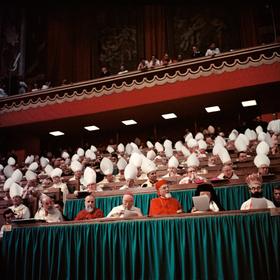
1997A smiling old woman in a white sari edged with blue stripes
Saint

St. Teresa of Calcutta, foundress

Pope John Paul II Homily at the Beatification of Mother Teresa of Calcutta, 3 (19 October 2003)

“She had chosen to be not just the least but to be the servant of the least. As a real mother to the poor, she bent down to those suffering various forms of poverty. Her greatness lies in her ability to give without counting the cost, to give "until it hurts".”

Read it in the source: vatican.va

See it on the timeline: Saints through the centuries

1997
Saint

St. Teresa of Calcutta, foundress

Pope St. John Paul II Homily at the Beatification of Mother Teresa of Calcutta, 3 (19 October 2003)

“The cry of Jesus on the Cross, "I thirst" (Jn 19: 28), expressing the depth of God's longing for man, penetrated Mother Teresa's soul and found fertile soil in her heart. Satiating Jesus' thirst for love and for souls in union with Mary, the Mother of Jesus, had become the sole aim of Mother Teresa's existence”

Read it in the source: vatican.va

See it on the timeline: Saints of the modern age, 1800 to today

as a child
Saint

A child who asked to receive Communion early

Congregation for the Causes of Saints (Cardinal Angelo Amato, prefect) Decree on the Virtues of the Servant of God Carlo Acutis, 5 July 2018

“He received an excellent upbringing in his family and attended primary school at religious institutes, showing from early childhood a calm and friendly temperament and an open and cheerful character. But above all his spiritual profile was taking shape: his irrepressible desire to receive the sacrament of the Eucharist led him to ask to receive his first Communion early. In view of his early maturity and spiritual preparation, his spiritual director gave him permission. To prepare well for the meeting with the Lord, Carlo studied the catechism and made it his own.”

Our translation. The words as written, in Italian:

“Ricevette un’ottima educazione nel contesto familiare e frequentò la scuola elementare presso alcuni istituti religiosi, manifestando fin dalla prima infanzia un temperamento sereno e affabile e un carattere aperto e gioviale. Ma, soprattutto, andava delineandosi il suo profilo spirituale: il suo desiderio incontenibile di ricevere il sacramento dell'Eucaristia lo spinse a chiedere in anticipo di ricevere la prima Comunione. Vista la sua precoce maturità e preparazione spirituale, il direttore spirituale gli concesse il permesso. Per ben prepararsi all'incontro con il Signore, Carlo studiò e assimilò il catechismo.”

Read it in the source: Dicastery for the Causes of Saints

See it on the timeline: St. Carlo Acutis, 1991 to 2006
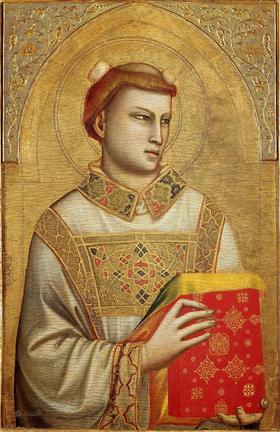
16 June 1998
Saint

First Communion at the age of seven

Dicastery for the Causes of Saints Profile of St. Carlo Acutis, "Vita e opere", birth and family

“16 June 1998 marked a decisive stage in his life: he received his first Communion, earlier than the usual age, thanks to a special permission from his spiritual director, Fr. Ilio Carrai, and from Archbishop Pasquale Macchi, formerly private secretary to St. Paul VI. The celebration took place in the Monastery of the Hermit Sisters of the Order of St. Ambrose ad Nemus at Bernaga di Perego (Lecco).”

Our translation. The words as written, in Italian:

“Il 16 giugno 1998 segnò una tappa decisiva nella sua vita: ricevette la prima Comunione, in anticipo rispetto all’età consueta, grazie a uno speciale permesso del direttore spirituale, don Ilio Carrai e dell’Arcivescovo Pasquale Macchi, già segretario particolare di San Paolo VI. La celebrazione avvenne nel Monastero delle Romite dell’Ordine di Sant’Ambrogio ad Nemus a Bernaga di Perego (Lecco).”

Read it in the source: Dicastery for the Causes of Saints

See it on the timeline: St. Carlo Acutis, 1991 to 2006
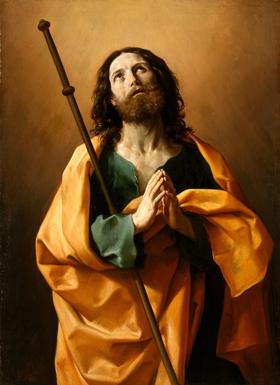
from 16 June 1998A smiling pope in white waves with his right hand
Saint

"A race to heaven" that began at his First Communion

Pope Francis Address to the participants in the Alpha Youth Camp, 5 August 2022

“Carlo’s life on earth was brief, very brief, but it was a full life. It was like a race, a race to heaven. He set out on that race from the day of his First Holy Communion, when he encountered Jesus in the sacrament of his Body and Blood. Yes, because Jesus is not an idea, or a moral precept. Jesus is a person, a friend, a companion along the way.”

Read it in the source: vatican.va

See it on the timeline: St. Carlo Acutis, 1991 to 2006

from 1998
Saint

Mass every day: "my highway to heaven"

Office for the Liturgical Celebrations of the Supreme Pontiff Booklet for the Mass with the Rite of Canonization, St. Peter's Square, 7 September 2025, profile of Carlo Acutis

“Throughout his life, Carlo showed signs of a deep devotion to the Eucharist. He attended Mass every day and made a “spiritual communion” on the days he was busy with school. He often performed small sacrifices in reparation for the lack of love shown to Jesus in the Eucharist and told stories about it to his friends. His words, “The Eucharist is my highway to heaven,” have become famous.”

Read it in the source: vatican.va

See it on the timeline: St. Carlo Acutis, 1991 to 2006

1998 to 2006
Saint

The Real Presence at the centre of his days

Dicastery for the Causes of Saints Profile of St. Carlo Acutis, "Vita e opere", traits of his spirituality

“The real presence of Jesus Christ in the consecrated Host was for Carlo a reality from which every good came to him. It was also the guarantee that man is never left alone, not even in the hardest moments of trial. His days therefore came to be centred on the Mass and, when he could, he also stayed in Eucharistic adoration.”

Our translation. The words as written, in Italian:

“La presenza reale di Gesù Cristo nell’Ostia consacrata era per Carlo una realtà dalla quale derivava per lui ogni bene. Era anche la garanzia che l’uomo non è mai lasciato solo, neppure nei momenti più duri della prova. Le sue giornate divennero perciò incentrate intorno alla Messa e, quando poteva, sostava anche in adorazione eucaristica.”

Read it in the source: Dicastery for the Causes of Saints

See it on the timeline: St. Carlo Acutis, 1991 to 2006
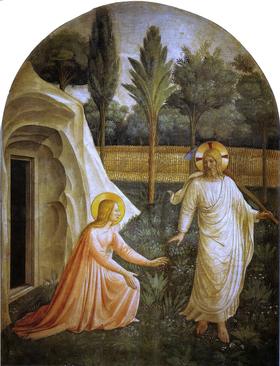
1998 to 2006A smiling pope in white waves with his right hand
Saint

Prayer before the Tabernacle

Pope Francis Address to the confirmands of the Archdiocese of Bari-Bitonto, 27 January 2024

“Carlo Acutis lived out these things with great commitment: he spent a lot of time with Jesus, especially in Mass, which he attended every day, and he prayed before the Tabernacle, so as then to announce to everyone, with words and gestures of love, that God loves us and is always waiting for us.”

Read it in the source: vatican.va

See it on the timeline: St. Carlo Acutis, 1991 to 2006

canonized 2000A black and white photograph of a nun in a black habit and veil standing beside a pillar
Saint

St. Faustina Kowalska, religious

Pope John Paul II Homily at the Canonization of Sr. Mary Faustina Kowalska, 5 (30 April 2000)

“Sr Faustina's canonization has a particular eloquence: by this act I intend today to pass this message on to the new millennium. I pass it on to all people, so that they will learn to know ever better the true face of God and the true face of their brethren.”

Read it in the source: vatican.va

See it on the timeline: Saints through the centuries

1998 to 2006A smiling pope in white sits in a white chair with his hands folded
Saint

"In front of the Eucharist, you become a saint"

Pope Leo XIV Homily at the Canonization of Pier Giorgio Frassati and Carlo Acutis, 7 September 2025, quoting Carlo

“Carlo used to say: “In front of the sun, you get a tan. In front of the Eucharist, you become a saint!” And again: “Sadness is looking at yourself; happiness is looking at God. Conversion is nothing more than shifting your gaze from below to above; a simple movement of the eyes is enough.””

Read it in the source: vatican.va

See it on the timeline: St. Carlo Acutis, 1991 to 2006

1998 to 2006
Saint

Frequent Confession

Pope Leo XIV Homily at the Canonization of Pier Giorgio Frassati and Carlo Acutis, 7 September 2025, quoting Carlo

“Another essential practice for them was frequent Confession. Carlo wrote: “The only thing we really have to fear is sin;” and he marveled because — in his own words — “people are so concerned with the beauty of their bodies and do not care about the beauty of their souls.””

Read it in the source: vatican.va

See it on the timeline: St. Carlo Acutis, 1991 to 2006

1998 to 2006
Saint

The daily Rosary

Dicastery for the Causes of Saints Profile of St. Carlo Acutis, "Vita e opere", love of the Eucharist and devotion to Our Lady

“The other fundamental pillar of Carlo's spirituality was devotion to Our Lady. It showed itself in the daily recitation of the Rosary, in consecration to her Immaculate Heart, and in the design of a layout for this prayer, which he made on his computer. He gave particular attention to the Last Things, which set his life in the reality of eternal life.”

Our translation. The words as written, in Italian:

“L’altra colonna fondamentale della spiritualità di Carlo fu la devozione alla Madonna. Essa si esprimeva nella recita quotidiana del Rosario, nella consacrazione al suo Cuore Immacolato e nella progettazione di uno schema del pio esercizio che riprodusse con il suo computer. Dedicò una particolare attenzione ai Novissimi, che proiettarono la sua esistenza nella realtà della vita eterna.”

Read it in the source: Dicastery for the Causes of Saints

See it on the timeline: St. Carlo Acutis, 1991 to 2006
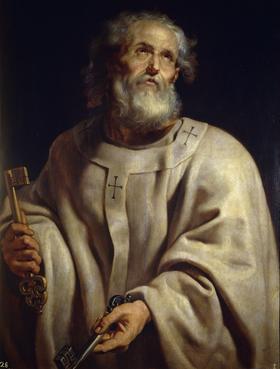
1998 to 2006
Saint

Our Lady, "the only woman in his life"

Cardinal Marcello Semeraro, Prefect of the Dicastery for the Causes of Saints Homily at the Mass of thanksgiving for the canonization of Carlo Acutis, St. Peter's Basilica, 8 September 2025

“His Marian devotion surely contributed to all this. Its chief expression was the recitation of the Holy Rosary: it was his daily appointment with her whom he called "the only woman in his life"! His very desire to visit the shrines of Mary (that of Pompeii was his favourite, for family reasons too) we can understand as the desire to meet the person one loves.”

Our translation. The words as written, in Italian:

“A tutto ciò ha di sicuro contribuito la sua devozione mariana, che aveva nella recita del Santo Rosario la sua qualificata manifestazione: era il suo quotidiano appuntamento con Colei, che chiamava «l’unica donna della sua vita»! Il suo stesso desiderio di visitare i Santuari mariani (quello di Pompei era, anche per ragioni famigliari, il suo prediletto) possiamo intenderlo come il desiderio d’incontrare la persona amata.”

Read it in the source: Dicastery for the Causes of Saints

See it on the timeline: St. Carlo Acutis, 1991 to 2006
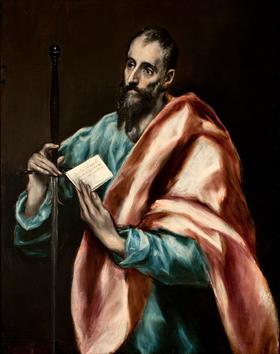
his holidays
Saint

Assisi and the school of St. Francis

Dicastery for the Causes of Saints Profile of St. Carlo Acutis, "Vita e opere", at the school of St. Francis of Assisi

“One of the things that marked Carlo was that he spent most of his holidays in Assisi, in a family house. In the Umbrian town, besides enjoying himself with his friends, he came to know St. Francis and St. Clare. From the Poor Man of Assisi he learned to respect creation and to give himself to the poorest. The examples of the Seraphic Father and of St. Anthony of Padua moved him to practise charity towards the poor, the needy, the homeless and immigrants, whom he also helped with the money saved from his weekly pocket money.”

Our translation. The words as written, in Italian:

“Una delle caratteristiche di Carlo era quella di trascorrere la maggior parte delle sue vacanze ad Assisi in una casa di famiglia. Nella cittadina umbra, oltre a divertirsi con gli amici, imparò a conoscere San Francesco e Santa Chiara. Dal Poverello imparò a rispettare il creato e a dedicarsi ai più poveri. Gli esempi del Serafico e di Sant’Antonio di Padova lo spinsero a esercitare la carità nei confronti dei poveri, dei bisognosi, dei senzatetto, degli extracomunitari, che aiutava anche con i soldi risparmiati dalla sua paghetta settimanale.”

Read it in the source: Dicastery for the Causes of Saints

See it on the timeline: St. Carlo Acutis, 1991 to 2006
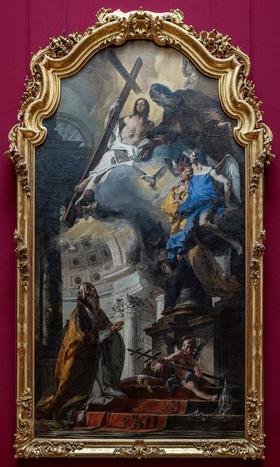
24 May 2003
Saint

Confirmation at Santa Maria Segreta

Dicastery for the Causes of Saints Profile of St. Carlo Acutis, "Vita e opere", birth and family

“Another important stage for Carlo was the Sacrament of Confirmation, on 24 May 2003, which was conferred on him in the church of Santa Maria Segreta by Monsignor Luigi Testore, formerly secretary to Cardinal Carlo Maria Martini and parish priest of San Marco in Milan.”

Our translation. The words as written, in Italian:

“Altra tappa importante per Carlo fu il Sacramento della Cresima, il 24 maggio 2003, che gli venne conferito nella chiesa di Santa Maria Segreta, da Monsignor Luigi Testore, già segretario del Cardinale Carlo Maria Martini e parroco di San Marco in Milano.”

Read it in the source: Dicastery for the Causes of Saints

See it on the timeline: St. Carlo Acutis, 1991 to 2006
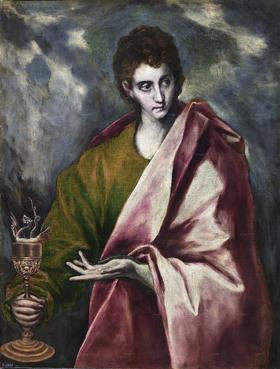
2003 to 2006
Saint

A normal boy who played football and had many friends

Cardinal Agostino Vallini Homily at the Beatification of Carlo Acutis, Upper Basilica of St. Francis, Assisi, 10 October 2020

“He was a normal boy, simple, spontaneous, likeable (it is enough to look at his photograph). He loved nature and animals, he played football, he had many friends of his own age, he was drawn to the modern means of social communication, he was keen on computing, and, self-taught, he built programs "to transmit the Gospel, to communicate values and beauty" (Pope Francis). He had the gift of attracting others and was seen as an example.”

Our translation. The words as written, in Italian:

“Era un ragazzo normale, semplice, spontaneo, simpatico (basta guardare la sua fotografia), amava la natura e gli animali, giocava a calcio, aveva tanti amici suoi coetanei, era attratto dai mezzi moderni della comunicazione sociale, appassionato di informatica, e da autodidatta costruiva programmi “per trasmettere il Vangelo, per comunicare valori e bellezza” (Papa Francesco). Aveva il dono di attrarre e veniva percepito come un esempio.”

Read it in the source: Dicastery for the Causes of Saints

See it on the timeline: St. Carlo Acutis, 1991 to 2006
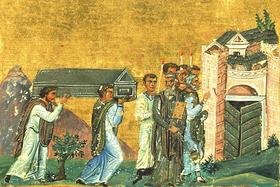
2003 to 2006
Saint

A school friend's testimony: pizza, films and "a great faith"

Cardinal Marcello Semeraro, quoting the testimony of a school friend in the canonical process Homily at the Mass of thanksgiving for the canonization of Carlo Acutis, Basilica of St. Mary of the Angels, Assisi, 5 October 2025

“"When we met we did the normal things friends of our age do: we went out for a pizza; we watched a film at his house; we spent some time chatting, and his house was something of a meeting place … Ordinary things, the ones good friends normally do. Carlo was a typical normal boy, simple, warm, likeable, ironic but never offensive …". Then, however, he at once added: "He had a great faith. When I think of Carlo, I think of the great faith he had … His faith certainly set him apart from the others … it was his real strength … it was a convinced, conscious faith."”

Our translation. The words as written, in Italian:

“«Quando ci trovavamo facevamo le cose normali tra amici della nostra età: si usciva a mangiare la pizza; si guardava un film a casa sua; si passava un po’ il tempo a chiacchierare e la sua casa era un po’ il punto di ritrovo … Cose nell’ordinario, quelle che dei buoni amici fanno normalmente. Carlo era un tipico ragazzo normale, semplice, cordiale, simpatico, ironico ma senza mai essere offensivo …». Dopo, però, subito aggiunse: «Aveva una grande fede. Quando io penso a Carlo, penso alla grande fede che aveva… La sua fede certamente lo distingueva dagli altri … era la sua vera forza … era una fede convinta, consapevole».”

Read it in the source: Dicastery for the Causes of Saints

See it on the timeline: St. Carlo Acutis, 1991 to 2006
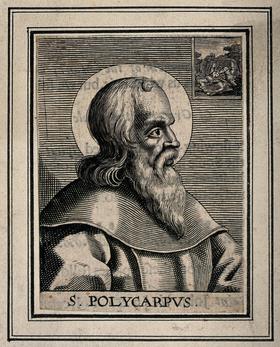
2003 to 2006
Saint

A friend to classmates and to the poor of his neighbourhood

Office for the Liturgical Celebrations of the Supreme Pontiff Booklet for the Mass with the Rite of Canonization, St. Peter's Square, 7 September 2025, profile of Carlo Acutis

“Carlo was a cheerful and outgoing teenager with a good heart. He did not hide his faith and his love for Jesus. He was always willing to help a classmate in need and was a friend to the poor in his neighbourhood, giving them some of his pocket money when they would ask for help.”

Read it in the source: vatican.va

See it on the timeline: St. Carlo Acutis, 1991 to 2006

2003 to 2006
Saint

He stopped in the street to listen

Cardinal Agostino Vallini Homily at the Beatification of Carlo Acutis, Upper Basilica of St. Francis, Assisi, 10 October 2020

“This certainty of his led him to a great charity towards his neighbour, above all towards the poor, the old who were alone and abandoned, the homeless, the disabled, and the people whom society pushed aside and hid. Carlo always welcomed those in need, and when he met them in the street on his way to school he stopped to talk, listened to their troubles and, as far as he was able, helped them.”

Our translation. The words as written, in Italian:

“Questa sua certezza di vita lo portava ad avere una grande carità verso il prossimo, soprattutto verso i poveri, gli anziani soli e abbandonati, i senza tetto, i disabili e le persone che la società emarginava e nascondeva. Carlo era sempre accogliente con quanti erano nel bisogno e quando, andando a scuola, li incontrava per strada si fermava a parlare, ascoltava i loro problemi e, nei limiti delle sue possibilità, li aiutava.”

Read it in the source: Dicastery for the Causes of Saints

See it on the timeline: St. Carlo Acutis, 1991 to 2006
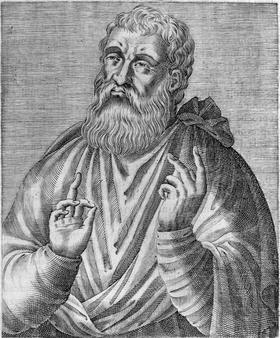
2005An elderly pope in green vestments and a white and gold mitre raises his hand in greeting, holding his staff with the crucifix
Saint

St. John Paul II, pope

Pope Benedict XVI Homily at the Beatification of John Paul II, 1 May 2011

“By his witness of faith, love and apostolic courage, accompanied by great human charisma, this exemplary son of Poland helped believers throughout the world not to be afraid to be called Christian, to belong to the Church, to speak of the Gospel.”

Read it in the source: vatican.va

See it on the timeline: Saints through the centuries

2005
Saint

St. John Paul II, pope

Pope St. John Paul II Homily at the Inauguration of his Pontificate, 5 (22 October 1978)

“Brothers and sisters, do not be afraid to welcome Christ and accept his power. … Do not be afraid. Open wide the doors for Christ. To his saving power open the boundaries of States, economic and political systems, the vast fields of culture, civilization and development. Do not be afraid. Christ knows "what is in man". He alone knows it.”

Read it in the source: vatican.va

See it on the timeline: Saints of the modern age, 1800 to today

at fourteen
Saint

High school with the Jesuits, catechist in his parish

Office for the Liturgical Celebrations of the Supreme Pontiff Booklet for the Mass with the Rite of Canonization, St. Peter's Square, 7 September 2025, profile of Carlo Acutis

“After middle school, he enrolled in the classical high school Istituto Leone XIII in Milan, founded by the Society of Jesus. In addition to his activities at school, he was a catechist in his parish, Santa Maria Segreta in Milan, where he learned how to design and create web pages while working on the parish website with a computer engineering student.”

Read it in the source: vatican.va

See it on the timeline: St. Carlo Acutis, 1991 to 2006

2003 to 2006
Saint

He defended the family and human life, against the current

Cardinal Agostino Vallini Homily at the Beatification of Carlo Acutis, Upper Basilica of St. Francis, Assisi, 10 October 2020

“Carlo also aroused great admiration for the ardour with which, in conversation, he defended the holiness of the family and the sacredness of life against abortion and euthanasia. The new Blessed, again, stands as a model of fortitude, a stranger to every kind of compromise, aware that to remain in the love of Jesus one must live the Gospel in practice (cf. Jn 15:10), even at the cost of going against the current.”

Our translation. The words as written, in Italian:

“Carlo suscitava poi grande ammirazione per l’ardore con cui nelle conversazioni difendeva la santità della famiglia e la sacralità della vita contro l’aborto e l’eutanasia. Il novello Beato, ancora, rappresenta un modello di fortezza, alieno da ogni forma di compromesso, consapevole che per rimanere nell’amore di Gesù, è necessario vivere concretamente il Vangelo (cf. Gv 15,10), anche a costo di andare controcorrente.”

Read it in the source: Dicastery for the Causes of Saints

See it on the timeline: St. Carlo Acutis, 1991 to 2006
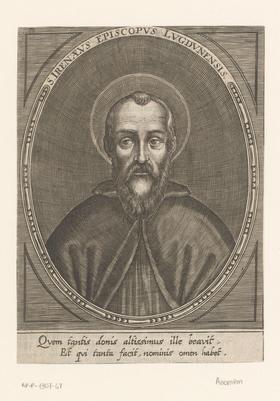
2003 to 2006
Saint

A son of the Church who prayed for the Pope

Fr. Arturo Elberti, S.J., theological consultor of the Dicastery for the Causes of Saints "Carlo Acutis", paper published on the Dicastery's website (undated), "Annunciatore del Vangelo", quoting Carlo

“He was a true son of the Church, and for her he prayed and offered sacrifices. His thoughts turned continually to the Pope, in whom, whether John Paul II or Benedict XVI, he believed and saw the Vicar of Christ: for the Pope he offered penances and prayers. He was eager to listen to the teaching of the Pope and to follow it. "To criticize the Church means to criticize ourselves! The Church is the dispenser of the treasures for our salvation."”

Our translation. The words as written, in Italian:

“Era un vero figlio della Chiesa e per Lei pregava e offriva sacrifici. Il suo pensiero continuo era rivolto al Papa, nel quale, Giovanni Paolo II o Benedetto XVI che sia, credeva e vedeva il Vicario di Cristo: per il Papa offriva penitenze e preghiere. Si appassionava a ascoltare il Magistero del Papa e a seguirlo. “Criticare la Chiesa significa criticare noi stessi! La Chiesa è la dispensatrice dei tesori per la nostra salvezza””

Read it in the source: Dicastery for the Causes of Saints

See it on the timeline: St. Carlo Acutis, 1991 to 2006
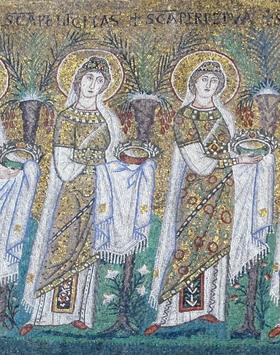
2006
Saint

St. Carlo Acutis, schoolboy of Milan

Pope Leo XIV Homily at the Canonization of Pier Giorgio Frassati and Carlo Acutis, 7 September 2025, quoting Carlo

“Both Pier Giorgio and Carlo cultivated their love for God and for their brothers and sisters through simple acts, available to everyone: daily Mass, prayer, and especially Eucharistic Adoration. Carlo used to say: “In front of the sun, you get a tan. In front of the Eucharist, you become a saint!””

Read it in the source: vatican.va

See it on the timeline: Saints of the modern age, 1800 to today

early 2006
Saint

Pointed out at school a few months before he died

Fr. Arturo Elberti, S.J., theological consultor of the Dicastery for the Causes of Saints "Carlo Acutis", paper published on the Dicastery's website (undated), opening

“In the first months of 2006 I happened to be passing through the Collegio Leone XIII in Milan, run by the Society of Jesus. It was the hour when lessons ended, and as I was with the Spiritual Father, he pointed out to me one among the young students, describing him as "a boy who is spiritually committed and has a sunny temperament". It was the young Carlo Acutis.”

Our translation. The words as written, in Italian:

“Nei primi mesi del 2006, mi trovai di passaggio presso il Collegio Leone XIII di Milano, retto dalla Compagnia di Gesù. Era l’orario del termine delle lezioni e trovandomi con il P. Spirituale, questi mi indicò, tra i giovani studenti, uno di loro, qualificandolo come un “ragazzo spiritualmente impegnato e dal temperamento solare”. Era il giovane Carlo Acutis.”

Read it in the source: Dicastery for the Causes of Saints

See it on the timeline: St. Carlo Acutis, 1991 to 2006
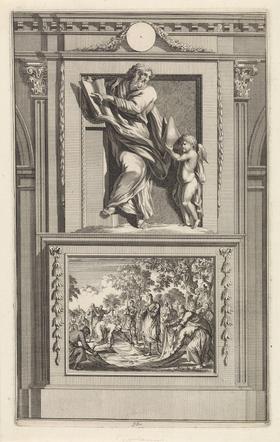
before 2006
Saint

The exhibition on the Eucharistic miracles

Congregation for the Causes of Saints (Cardinal Angelo Amato, prefect) Decree on the Virtues of the Servant of God Carlo Acutis, 5 July 2018

“In this way he carried out a precious work of apostolate among his schoolmates and friends and, as a true apostle of the Eucharist, he chose to use his talent for computing to design and produce an international exhibition on "Eucharistic miracles": a large photographic survey of the chief Eucharistic wonders that have taken place over the centuries in various countries of the world.”

Our translation. The words as written, in Italian:

“Compì così una preziosa opera di apostolato in mezzo ai compagni di scuola e agli amici e, da vero apostolo dell'Eucaristia, scelse di utilizzare il suo talento informatico per progettare e realizzare una mostra internazionale sui “Miracoli eucaristici”: un’ampia rassegna fotografica sui principali prodigi eucaristici verificatisi nel corso dei secoli in diversi Paesi del mondo.”

Read it in the source: Dicastery for the Causes of Saints

See it on the timeline: St. Carlo Acutis, 1991 to 2006
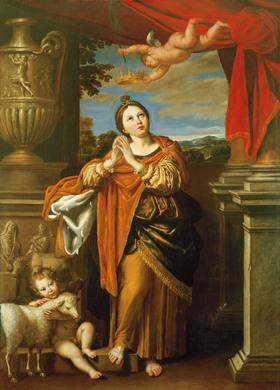
summer 2006
Saint

Websites for his parish, his school and a pontifical academy

Office for the Liturgical Celebrations of the Supreme Pontiff Booklet for the Mass with the Rite of Canonization, St. Peter's Square, 7 September 2025, profile of Carlo Acutis

“He developed such a passion for this kind of work that in the summer of 2006 he designed a website for a project promoting volunteer work at his school, and worked on the web page of the Pontifical Academy Cultorum Martyrum, in which his mother was involved. He also used the computer to design a layout for praying the Rosary.”

Read it in the source: vatican.va

See it on the timeline: St. Carlo Acutis, 1991 to 2006

2003 to 2006
Saint

The internet as a gift of God, to be used without becoming its slave

Cardinal Agostino Vallini Homily at the Beatification of Carlo Acutis, Upper Basilica of St. Francis, Assisi, 10 October 2020

“To communicate this spiritual need he used every means, including the modern means of social communication, which he knew how to use very well, and the Internet in particular, which he considered a gift of God and an important tool for meeting people and spreading Christian values. This way of thinking led him to say that the web is not only a means of escape but a space for dialogue, for knowledge, for sharing, for mutual respect, to be used responsibly, without becoming its slave and rejecting digital bullying; in the boundless virtual world one must know how to tell good from evil.”

Our translation. The words as written, in Italian:

“Per comunicare questo bisogno spirituale si serviva di ogni mezzo, anche dei mezzi moderni della comunicazione sociale, che sapeva usare benissimo, in particolare Internet, che considerava un dono di Dio ed uno strumento importante per incontrare le persone e diffondere i valori cristiani. Questo suo modo di pensare gli faceva dire che la rete non è solo un mezzo di evasione, ma uno spazio di dialogo, di conoscenza, di condivisione, di rispetto reciproco, da usare con responsabilità, senza diventarne schiavi e rifiutando il bullismo digitale; nello sterminato mondo virtuale bisogna saper distinguere il bene dal male.”

Read it in the source: Dicastery for the Causes of Saints

See it on the timeline: St. Carlo Acutis, 1991 to 2006
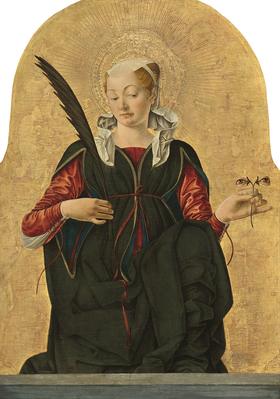
2003 to 2006
Saint

"A pioneer in this field"

Congregation for the Causes of Saints (Cardinal Angelo Amato, prefect) Decree on the Virtues of the Servant of God Carlo Acutis, 5 July 2018

“His mastery in using the computer makes him an example of a use of the internet and of social networks that is not only legitimate but fruitful in good. His apostolic insight, to carry the light and the joy of Christ through the new means of social communication, makes him a pioneer in this field.”

Our translation. The words as written, in Italian:

“La sua maestria nell'utilizzare il computer fanno di lui un esempio per l’uso non solo lecito, ma addirittura fecondo di bene, di internet e dei social network. L’intuizione apostolica di portare la luce e la gioia di Cristo attraverso i nuovi mezzi di comunicazione sociale fanno di lui un pioniere in questo campo.”

Read it in the source: Dicastery for the Causes of Saints

See it on the timeline: St. Carlo Acutis, 1991 to 2006
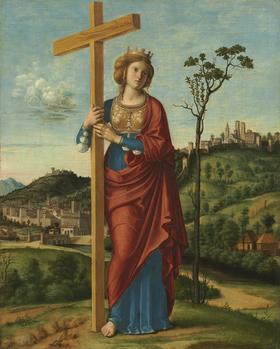
October 2006
Saint

Leukaemia, and the offering of his life

Dicastery for the Causes of Saints Profile of St. Carlo Acutis, "Vita e opere", illness and death

“In October 2006 Carlo fell ill with leukaemia of type M3, considered the most aggressive form, which was at first mistaken for a bad influenza. He was admitted to the De Marchi Clinic in Milan. Later, as his condition grew worse, he was moved to the San Gerardo hospital in Monza, where there is a centre specializing in that type of leukaemia. A few days before he was admitted he offered his life to the Lord for the Pope, for the Church, and to go to heaven.”

Our translation. The words as written, in Italian:

“Nell’ottobre 2006 Carlo si ammalò di leucemia di tipo M3, considerata la forma più aggressiva, che inizialmente venne scambiata per una forte influenza. Venne ricoverato alla Clinica De Marchi di Milano. Successivamente, per l’aggravarsi della situazione, fu trasferito all’ospedale San Gerardo di Monza, dove esiste un centro specializzato per quel tipo di leucemia. Pochi giorni prima del ricovero offrì la sua vita al Signore per il Papa, per la Chiesa, per andare in Paradiso.”

Read it in the source: Dicastery for the Causes of Saints

See it on the timeline: St. Carlo Acutis, 1991 to 2006
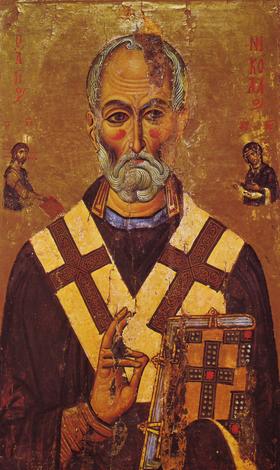
October 2006
Saint

"I want to offer all my sufferings to the Lord"

Cardinal Agostino Vallini, quoting Carlo from the documented biography in the acts of the cause Homily at the Beatification of Carlo Acutis, Upper Basilica of St. Francis, Assisi, 10 October 2020

“Carlo abandoned himself into the arms of Providence and, under the motherly gaze of Mary, he kept saying: "I want to offer all my sufferings to the Lord for the Pope and for the Church. I do not want to go through Purgatory; I want to go straight to heaven" (Positio, Documented Biography, 549). The one who spoke like this, let us remember, was a boy of fifteen, showing a surprising Christian maturity, which spurs us and encourages us to take the life of faith seriously.”

Our translation. The words as written, in Italian:

“Carlo si abbandonò tra le braccia della Provvidenza, e, sotto lo sguardo materno di Maria ripeteva: “Voglio offrire tutte le mie sofferenze al Signore per il Papa e per la Chiesa. Non voglio fare il Purgatorio; voglio andare dritto in Paradiso” (Positio, Biografia documentata, 549). Parlava così – ricordiamolo – un ragazzo di quindici anni, rivelando una sorprendente maturità cristiana, che ci stimola e ci incoraggia a prendere sul serio la vita di fede.”

Read it in the source: Dicastery for the Causes of Saints

See it on the timeline: St. Carlo Acutis, 1991 to 2006
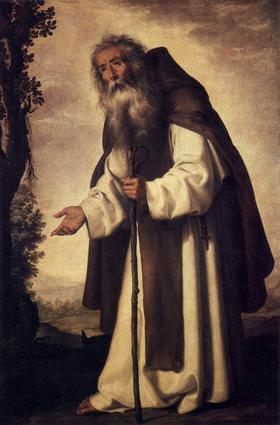
October 2006
Saint

Calm and cheerful to the end

Congregation for the Causes of Saints (Cardinal Angelo Amato, prefect) Decree on the Virtues of the Servant of God Carlo Acutis, 5 July 2018

“He kept his serenity and cheerfulness to the end, even in the most critical moments of the illness, by now certain that he would soon meet God, and by his conduct and his words he built up those who were beside him.”

Our translation. The words as written, in Italian:

“Conservò la sua serenità e giovialità fino alla fine, anche nei momenti più critici del male, ormai certo del prossimo incontro con Dio, edificando con il suo comportamento e con le sue parole chi gli era accanto.”

Read it in the source: Dicastery for the Causes of Saints

See it on the timeline: St. Carlo Acutis, 1991 to 2006
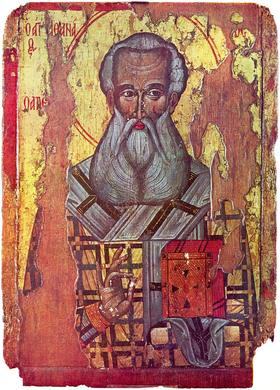
12 October 2006
Saint

His death, at fifteen

Dicastery for the Causes of Saints Profile of St. Carlo Acutis, "Vita e opere", illness and death

“In hospital a priest gave him the Sacrament of the Anointing of the Sick. Some of the nurses and doctors who were caring for him were edified by his acceptance of illness and suffering. Brain death came on 11 October 2006; his heart stopped beating at 6:45 on 12 October.”

Our translation. The words as written, in Italian:

“In ospedale, un sacerdote gli amministrò il Sacramento dell’Unzione degli infermi. Alcuni tra le infermiere ed i medici che lo curavano rimasero edificati dall’accettazione della malattia e della sofferenza. La morte cerebrale avvenne l’11 ottobre 2006, il suo cuore smise di battere alle ore 6:45 del 12 ottobre.”

Read it in the source: Dicastery for the Causes of Saints

See it on the timeline: St. Carlo Acutis, 1991 to 2006
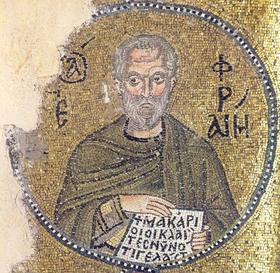
October 2006A smiling pope in white sits in a white chair with his hands folded
Saint

"Heaven has always been waiting for us"

Pope Leo XIV Homily at the Canonization of Pier Giorgio Frassati and Carlo Acutis, 7 September 2025

“Even when illness struck them and cut short their young lives, not even this stopped them nor prevented them from loving, offering themselves to God, blessing him and praying to him for themselves and for everyone. … Moreover, Carlo, who was even younger than Pier Giorgio, loved to say that heaven has always been waiting for us, and that to love tomorrow is to give the best of our fruit today.”

Read it in the source: vatican.va

See it on the timeline: St. Carlo Acutis, 1991 to 2006

14 October 2006
Saint

His funeral, and his burial at Assisi

Dicastery for the Causes of Saints Profile of St. Carlo Acutis, "Vita e opere", illness and death

“The news of his birth to heaven spread at once among his classmates and those who had known him. His body was laid out in his home, and a continual stream of people came to pay him their last respects. The funeral was celebrated in the church of Santa Maria Segreta in Milan on 14 October 2006. The body was buried in the family tomb at Ternengo (Biella), and then in February 2007 it was moved to the town cemetery of Assisi, to fulfil his wish to remain in the city of St. Francis.”

Our translation. The words as written, in Italian:

“La notizia della sua nascita al Cielo si diffuse immediatamente tra i suoi compagni di classe e tra chi l’aveva conosciuto. Esposta la salma nella sua abitazione, un continuo afflusso di persone gli rese l’ultimo saluto. I funerali vennero celebrati nella chiesa di Santa Maria Segreta a Milano, il 14 ottobre 2006. La salma venne sepolta nella tomba di famiglia a Ternengo (Biella), poi nel febbraio 2007 fu traslata nel cimitero comunale di Assisi per soddisfare il suo desiderio di rimanere nella città di San Francesco.”

Read it in the source: Dicastery for the Causes of Saints

See it on the timeline: St. Carlo Acutis, 1991 to 2006
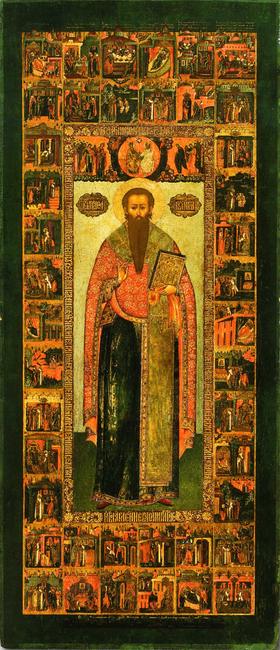
24 March 2011
Saint

His reputation for holiness grows, and his friends form an association

Dicastery for the Causes of Saints Profile of St. Carlo Acutis, account of the cause, in view of the beatification

“From the moment of his death, his reputation for holiness and for signs did nothing but grow, in Italy and on other continents. This reputation for holiness, which Carlo enjoyed in life, at his death and after his death, moved some priests and those who had known him to found in Milan, on 24 March 2011, the Association of Friends of Carlo Acutis, with the aim of promoting his cause of beatification. The cause was also given impetus by the many reports of graces and by the requests of the faithful that came from every part of the world.”

Our translation. The words as written, in Italian:

“Dal momento della morte, la sua fama di santità e di segni non ha fatto altro che aumentare in Italia e in altri Continenti. Tale fama di santità goduta da Carlo in vita, in morte e dopo la morte, ha spinto alcuni Sacerdoti e quanti l’avevano conosciuto a creare, il 24 marzo 2011, a Milano, l’Associazione Amici di Carlo Acutis con l’obiettivo di promuovere la sua Causa di beatificazione, che ha avuto un impulso anche per le numerose segnalazioni di grazie e per le richieste dei fedeli che giungevano da ogni parte del mondo.”

Read it in the source: Dicastery for the Causes of Saints

See it on the timeline: St. Carlo Acutis, 1991 to 2006
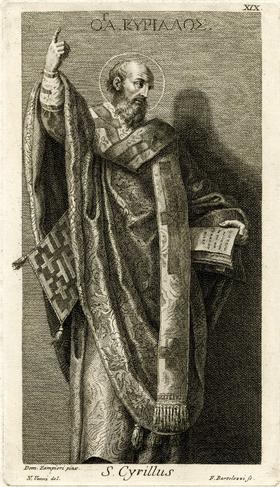
2013 to 2018
Saint

The inquiry into his life at Milan

Dicastery for the Causes of Saints Profile of St. Carlo Acutis, account of the cause, in view of the beatification

“The diocesan inquiry into his life, virtues and reputation for holiness, begun on 12 October 2013 in the Archbishop's Palace in Milan, ended on 24 November 2016. The Congregation for the Causes of Saints recognized the acts of the process as valid by its decree of 26 May 2017. Once the Positio on the virtues had been prepared, the cause passed successfully through the special Congress of the Theological Consultors on 17 April 2018.”

Our translation. The words as written, in Italian:

“L’Inchiesta diocesana sulla vita, virtù e fama di santità, iniziata il 12 ottobre 2013 nel Palazzo Arcivescovile di Milano, si è conclusa il 24 novembre 2016. La Congregazione delle Cause dei Santi ha riconosciuto validi gli atti processuali con il decreto del 26 maggio 2017. Preparata la Positio super virtutibus, la Causa ha affrontato con esito felice il Congresso peculiare dei Consultori Teologi il 17 aprile 2018.”

Read it in the source: Dicastery for the Causes of Saints

See it on the timeline: St. Carlo Acutis, 1991 to 2006
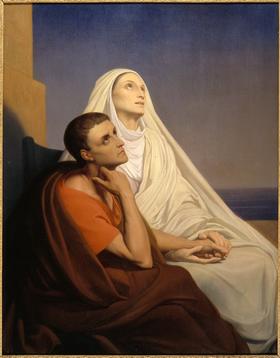
canonized 2014An elderly pope in green vestments and a white and gold mitre raises his hand in greeting, holding his staff with the crucifix
Saint

St. John Paul II, pope

Pope Francis Homily at the Canonization of John XXIII and John Paul II, 27 April 2014

“Saint John XXIII and Saint John Paul II were not afraid to look upon the wounds of Jesus, to touch his torn hands and his pierced side. … These were two men of courage, filled with the parrhesia of the Holy Spirit, and they bore witness before the Church and the world to God’s goodness and mercy.”

Read it in the source: vatican.va

See it on the timeline: Saints through the centuries

canonized 2016A smiling old woman in a white sari edged with blue stripes
Saint

St. Teresa of Calcutta, foundress

Pope Francis Homily at the Canonization of Mother Teresa of Calcutta, 4 September 2016

“Mother Teresa, in all aspects of her life, was a generous dispenser of divine mercy, making herself available for everyone through her welcome and defence of human life, those unborn and those abandoned and discarded. … She bowed down before those who were spent, left to die on the side of the road, seeing in them their God-given dignity”

Read it in the source: vatican.va

See it on the timeline: Saints through the centuries

5 July 2018
Saint

"Made perfect in a short time"

Congregation for the Causes of Saints (Cardinal Angelo Amato, prefect) Decree on the Virtues of the Servant of God Carlo Acutis, 5 July 2018, opening

“"Being made perfect in a short time, he fulfilled long years" (Wisdom 4:13). The reflection of the wise man of Israel is well suited to the Servant of God Carlo Acutis, who in only fifteen years reached the end of his life and the fullness of human and Christian perfection.”

Our translation. The words as written, in Italian:

“«Consummatus in brevi, explevit tempora multa» (Sp 4, 13). La riflessione del sapiente di Israele si adatta in modo appropriato al Servo di Dio Carlo Acutis, che in soli quindici anni giunse al termine della sua vita e alla pienezza della perfezione umana e cristiana.”

Read it in the source: Dicastery for the Causes of Saints

See it on the timeline: St. Carlo Acutis, 1991 to 2006
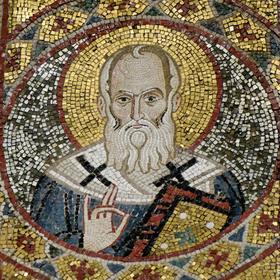
5 July 2018
Saint

Declared Venerable: his virtues judged heroic

Congregation for the Causes of Saints, recording the declaration of Pope Francis Decree on the Virtues of the Servant of God Carlo Acutis, 5 July 2018, conclusion

“His Holiness, receiving and ratifying the votes of the Congregation for the Causes of Saints, declared this day: It is established that the Servant of God Carlo Acutis, a lay member of Christ's faithful, practised to a heroic degree the theological virtues of Faith, Hope and Charity, towards God and towards his neighbour, and the cardinal virtues of Prudence, Justice, Temperance and Fortitude, and those joined to them, in the case and for the purpose in question.”

Our translation. The words as written, in Latin:

“Sanctitas Sua, vota Congregationis de Causis Sanctorum excipiens rataque habens, hodierno die declaravit: Constare de virtutibus theologalibus Fide, Spe et Caritate tum in Deum tum in proximum, necnon de cardinalibus Prudentia, Iustitia, Temperantia et Fortitudine, iisque adnexis, in gradu heroico, Servi Dei Caroli Acutis, Christifidelis Laici, in casu et ad effectum de quo agitur.”

Read it in the source: Dicastery for the Causes of Saints

See it on the timeline: St. Carlo Acutis, 1991 to 2006
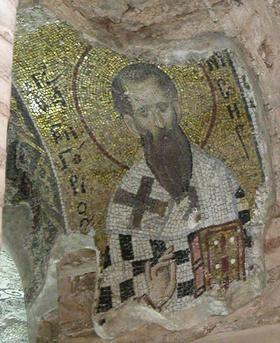
25 March 2019A smiling pope in white waves with his right hand
Saint

Pope Francis holds him up to the young of the whole Church

Pope Francis Apostolic Exhortation Christus Vivit, 104 to 106 (25 March 2019), quoting Carlo

“For example, it is true that the digital world can expose you to the risk of self-absorption, isolation and empty pleasure. But don’t forget that there are young people even there who show creativity and even genius. That was the case with the Venerable Carlo Acutis. … Yet he knew how to use the new communications technology to transmit the Gospel, to communicate values and beauty. … As a result, Carlo said, “everyone is born as an original, but many people end up dying as photocopies”. Don’t let that happen to you!”

Read it in the source: vatican.va

See it on the timeline: St. Carlo Acutis, 1991 to 2006

5 and 6 April 2019
Saint

His body is brought to the Shrine of the Renunciation in Assisi

Dicastery for the Causes of Saints Profile of St. Carlo Acutis, "Vita e opere", illness and death

“On 5 and 6 April 2019 the mortal remains of Carlo were moved to the Shrine of the Renunciation, the church of Santa Maria Maggiore, in Assisi.”

Our translation. The words as written, in Italian:

“Il 5-6 aprile 2019 i resti mortali di Carlo sono stati traslati nel Santuario della Spogliazione, chiesa di Santa Maria Maggiore, ad Assisi.”

Read it in the source: Dicastery for the Causes of Saints

See it on the timeline: St. Carlo Acutis, 1991 to 2006
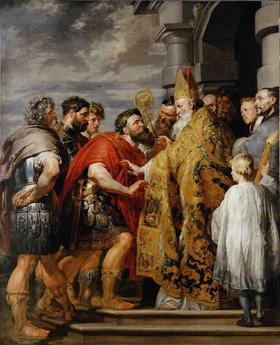
10 October 2020A smiling pope in white waves with his right hand
Saint

Beatified at Assisi

Pope Francis Apostolic Letter on the Beatification of Carlo Acutis, 10 October 2020, the formula of beatification

“We, fulfilling the wishes of Our Brother Domenico Sorrentino, Archbishop-Bishop of Assisi-Nocera Umbra-Gualdo Tadino, and of very many other Brothers in the Episcopate and of many of Christ's faithful, having consulted the Congregation for the Causes of Saints, by Our Apostolic authority grant that the Venerable Servant of God Carlo Acutis, layman, who with the ardour of a young heart cultivated friendship with the Lord Jesus, placing the Eucharist and the witness of charity at the centre of his life, may henceforth be called Blessed, and that his feast may be celebrated each year on the twelfth day of October, the day he was born to heaven, in the places and ways established by law.”

Our translation. The words as written, in Latin:

“Nos, vota Fratris Nostri Dominici Sorrentino, Archiepiscopi-Episcopi Assisiensis-Nucerini-Tadinensis necnon plurimorum aliorum Fratrum in Episcopatu multorumque christifidelium explentes, de Congregationis de Causis Sanctorum consulto, auctoritate Nostra Apostolica facultatem facimus ut Venerabilis Servus Dei Carolus Acutis, laicus, qui iuvenili animi ardore cum Domino Iesu amicitiam coluit, Eucharistiam caritatisque testimonium, in medio vitae suae ponens, Beatorum nomine in posterum appelletur atque die decima secunda mensis Octobris, qua in caelum ortus est, quotannis in locis et modis iure statutis celebrari possit.”

Read it in the source: Dicastery for the Causes of Saints

See it on the timeline: St. Carlo Acutis, 1991 to 2006
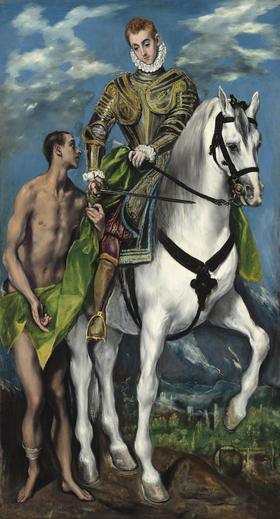
10 October 2020
Saint

The Bishop of Assisi gives thanks

Archbishop Domenico Sorrentino, Bishop of Assisi Words of thanks at the Beatification of Carlo Acutis, Assisi, 10 October 2020

“Today heaven has come closer. That Eucharistic "highway" which Carlo loved to travel at speed to reach heaven, today he has travelled in the other direction, to come back to us with his face radiant with blessedness. Thanks be to the Lord, who did such beautiful things in his short but intense life.”

Our translation. The words as written, in Italian:

“Oggi il Cielo si è fatto più vicino. Quell’«autostrada» eucaristica che Carlo amava percorrere in velocità per arrivare al Cielo, oggi egli l’ha percorsa in senso inverso per tornare a noi col volto raggiante di beatitudine. Grazie al Signore, che ha fatto cose tanto belle nella sua breve ma intensa vita.”

Read it in the source: Dicastery for the Causes of Saints

See it on the timeline: St. Carlo Acutis, 1991 to 2006
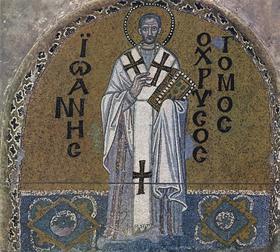
11 October 2020A smiling pope in white waves with his right hand
Saint

"A round of applause for the new young Blessed"

Pope Francis Angelus, St. Peter's Square, 11 October 2020, after the prayer

“Yesterday, in Assisi, Carlo Acutis, a 15-year-old youth enamoured of the Eucharist, was beatified. He did not ease into comfortable immobilism, but understood the needs of his time, because he saw the face of Christ in the weakest. His witness indicates to today’s young people that true happiness is found by putting God in first place and serving Him in our brothers and sisters, especially the least.”

Read it in the source: vatican.va

See it on the timeline: St. Carlo Acutis, 1991 to 2006

1 July 2024
Saint

The consistory: he will be enrolled among the saints

Holy See Press Office Bulletin, Ordinary Public Consistory for the vote on Causes of Canonization, 1 July 2024

“This morning, at 9.00, in the Consistory Hall of the Vatican Apostolic Palace, the Holy Father Francis presided over the celebration of Terce and the Ordinary Public Consistory for the Canonization of Blesseds: … Carlo Acutis, lay faithful. During the Consistory, the Pope decreed that Blesseds Manuel Ruiz López and seven companions and Francis, Abdel Mohti and Raphael Massabki, Giuseppe Allamano, Marie-Léonie Paradis and Elena Guerra be inscribed in the Book of Saints on Sunday 20 October 2024, whereas Blessed Carlo Acutis will be inscribed in the Book of Saints on a date yet to be announced.”

Read it in the source: vatican.va

See it on the timeline: St. Carlo Acutis, 1991 to 2006

20 November 2024A smiling pope in white waves with his right hand
Saint

"I will canonize Blessed Carlo Acutis"

Pope Francis General Audience, St. Peter's Square, 20 November 2024, as published in the Bulletin of the Holy See Press Office

“I want to say that next year, during the Jubilee for Adolescents, I will canonize Blessed Carlo Acutis, and that on the Jubilee for Young People, next year, I will canonize Blessed Pier Giorgio Frassati.”

Read it in the source: vatican.va

See it on the timeline: St. Carlo Acutis, 1991 to 2006

3 February 2025
Saint

The date is set for 27 April 2025

Pope Francis Address to the pilgrimage promoted by the Scandinavian Bishops' Conference, 3 February 2025

“As part of this year’s events, on 27 April we will celebrate the Canonization of Blessed Carlo Acutis. This young saint of and for our times shows you, and all of us, how possible it is in today’s world for young people to follow Jesus, share his teachings with others, and so find the fullness of life in joy, freedom and holiness.”

Read it in the source: vatican.va

See it on the timeline: St. Carlo Acutis, 1991 to 2006

21 April 2025
Saint

Pope Francis dies, and the canonization is suspended

Holy See Press Office Holy See Communiqué, 21 April 2025

“Following the death of the Supreme Pontiff Francis, it is announced that the Eucharistic Celebration and the Rite of canonization of Blessed Carlo Acutis, scheduled to take place on 27 April 2025, Second Sunday of Easter or Divine Mercy Sunday, on the occasion of the Jubilee of Teenagers, is suspended.”

Read it in the source: vatican.va

See it on the timeline: St. Carlo Acutis, 1991 to 2006

13 June 2025
Saint

Pope Leo XIV sets a new date

Holy See Press Office Bulletin, Ordinary Public Consistory for the vote on Causes for Canonization, 13 June 2025

“During the Consistory, the Pope decreed that Blessed Pier Giorgio Frassati, together with Blessed Carlo Acutis, be inscribed in the Book of Saints on Sunday 7 September 2025”

Read it in the source: vatican.va

See it on the timeline: St. Carlo Acutis, 1991 to 2006

7 September 2025A smiling pope in white sits in a white chair with his hands folded
Saint

Declared a saint in St. Peter's Square

Pope Leo XIV Formula of Canonization, in the Booklet for the Mass with the Rite of Canonization, St. Peter's Square, 7 September 2025

“For the honour of the Blessed Trinity, the exaltation of the Catholic faith and the increase of the Christian life, by the authority of our Lord Jesus Christ, and of the Holy Apostles Peter and Paul, and our own, after due deliberation and frequent prayer for divine assistance, and having sought the counsel of many of our brother Bishops, we declare and define … Blessed Pier Giorgio Frassati and Carlo Acutis … to be Saints and we enroll them among the Saints, decreeing that they are to be venerated as such by the whole Church. In the name of the Father, and of the Son, and of the Holy Spirit.”

Read it in the source: vatican.va

See it on the timeline: St. Carlo Acutis, 1991 to 2006

7 September 2025
Saint

His parents, brother and sister were there

Pope Leo XIV Homily at the Canonization of Pier Giorgio Frassati and Carlo Acutis, 7 September 2025

“Carlo, for his part, encountered Jesus in his family, thanks to his parents, Andrea and Antonia — who are here today with his two siblings, Francesca and Michele — and then at school, and above all in the sacraments celebrated in the parish community. He grew up naturally integrating prayer, sport, study and charity into his days as a child and young man.”

Read it in the source: vatican.va

See it on the timeline: St. Carlo Acutis, 1991 to 2006

7 September 2025
Saint

"Not I, but God"

Pope Leo XIV Homily at the Canonization of Pier Giorgio Frassati and Carlo Acutis, 7 September 2025, conclusion, quoting Carlo

“Dear friends, Saints Pier Giorgio Frassati and Carlo Acutis are an invitation to all of us, especially young people, not to squander our lives, but to direct them upwards and make them masterpieces. They encourage us with their words: “Not I, but God,” as Carlo used to say. And Pier Giorgio: “If you have God at the center of all your actions, then you will reach the end.” This is the simple but winning formula of their holiness.”

Read it in the source: vatican.va

See it on the timeline: St. Carlo Acutis, 1991 to 2006

8 September 2025
Saint

Humility, "the most beautiful thing about him"

Cardinal Marcello Semeraro, Prefect of the Dicastery for the Causes of Saints Homily at the Mass of thanksgiving for the canonization of Carlo Acutis, St. Peter's Basilica, 8 September 2025

“In the light of this virtue we can (perhaps we must) look also at St. Carlo Acutis, whose spiritual and human path was marked at every level by humility. The testimonies in the canonical process for his beatification and canonization tell us with one voice that this virtue was "the most beautiful thing about him", and that he practised it and gave an example of it to his companions. And it was this very humility that widened his gaze to the poverty and the needs of the weakest and the most needy.”

Our translation. The words as written, in Italian:

“In questa luce virtuosa possiamo (forse dobbiamo) guardare anche a san Carlo Acutis, il cui percorso spirituale e umana è stato segnato a tutti i livelli dall’umiltà. Le testimonianze nel processo canonico per la sua beatificazione e canonizzazione ci dicono unanimi che questa virtù è stata la sua «cosa più bella» e che l’ha praticata dandone esempio ai suoi compagni. Ed è stata proprio questa umiltà a fargli allargare lo sguardo sulle povertà e sulle necessità dei più deboli e bisognosi.”

Read it in the source: Dicastery for the Causes of Saints

See it on the timeline: St. Carlo Acutis, 1991 to 2006
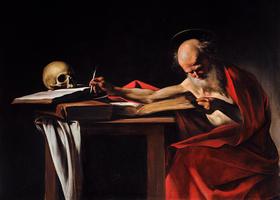
2025
Saint

Why he was canonized: not a theologian, a young Christian who lived the faith whole

Fr. Arturo Elberti, S.J., theological consultor of the Dicastery for the Causes of Saints "Carlo Acutis", paper published on the Dicastery's website (undated), conclusion

“His canonization, strongly desired by Pope Francis, does not mean to raise to the honours of the altar a theologian, still less a Doctor of the Church. It means to show that today too young Christians can live the faith of the Gospel in a consistent and all-embracing way, and can have a relationship with the Sacrament of the Eucharist that lets them celebrate the saving Mystery of Christ and have a living relationship with him, present in our midst.”

Our translation. The words as written, in Italian:

“La sua canonizzazione fortemente voluta da papa Francesco, non intende elevare agli onori degli altari un teologo né tanto meno un dottore della Chiesa. Essa intende dimostrare che anche oggi i giovani cristiani possono vivere la fede evangelica in modo coerente e totalizzante ed avere un rapporto con il Sacramento dell’Eucaristia che permetta loro di celebrare il Mistero salvifico di Cristo ed avere un rapporto vivo con Lui presente in mezzo a noi.”

Read it in the source: Dicastery for the Causes of Saints

See it on the timeline: St. Carlo Acutis, 1991 to 2006
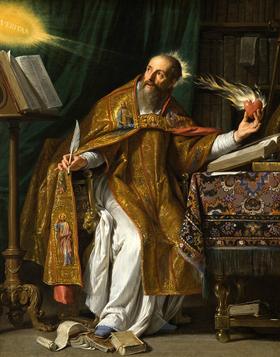
2025
Saint

What he leaves to the young

Dicastery for the Causes of Saints Profile of St. Carlo Acutis, "Vita e opere", Carlo's legacy

“The chief legacy that Carlo has left, above all to the new generations, is a life consistent with the values of the Gospel. Because of his ability to share the mysteries of the faith with others, Carlo can be called a true apostle in all the settings in which he lived, which are those typical of a teenager: family, school, sport, free time, travel, games.”

Our translation. The words as written, in Italian:

“La principale eredità che Carlo ha lasciato, soprattutto alle nuove generazioni, è la coerenza di vita con i valori del Vangelo. Proprio per la sua capacità di condivisione con gli altri dei misteri della fede, Carlo può essere definito un vero apostolo in tutti gli ambienti in cui è vissuto, che sono quelli tipici di un adolescente: famiglia, scuola, sport, tempo libero, viaggi, giochi.”

Read it in the source: Dicastery for the Causes of Saints

See it on the timeline: St. Carlo Acutis, 1991 to 2006
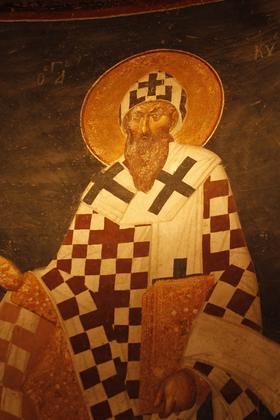
30 October 2025A smiling pope in white sits in a white chair with his hands folded
Saint

"He did not become a slave to the internet"

Pope Leo XIV Address to students taking part in the Jubilee of the World of Education, 30 October 2025

“In this regard, we have a very timely example of holiness: Saint Carlo Acutis. He was a young man who did not become a slave to the internet, but rather used it skillfully for good. Saint Carlo combined his beautiful faith with his passion for computers, creating a website on Eucharistic miracles and thus making the internet a tool for evangelization.”

Read it in the source: vatican.va

See it on the timeline: St. Carlo Acutis, 1991 to 2006
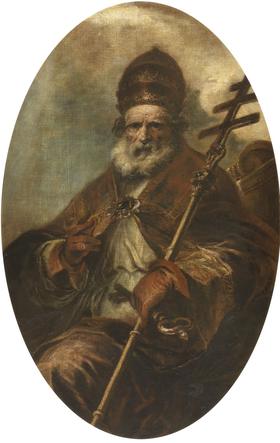
28 March 2026
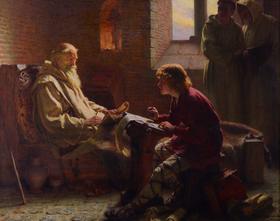
Saint

Venerated as patron of the apostolate on the web

Pope Leo XIV Address to young people and catechumens, Church of Sainte-Dévote, Principality of Monaco, 28 March 2026

“In this church, the memory of the Holy Martyr Devota has recently been joined by that of Saint Carlo Acutis, another young person in love with Jesus and loyal to his friendship with Christ to the very end, albeit in completely different times and ways: through charity, through his apostolate on the web — of which we venerate him as patron — and finally through his illness.”

Read it in the source: vatican.va

See it on the timeline: St. Carlo Acutis, 1991 to 2006