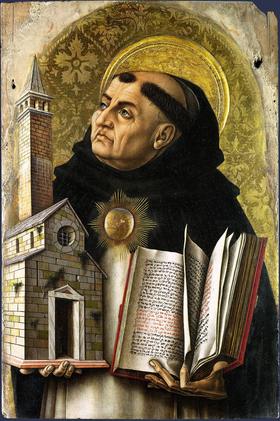
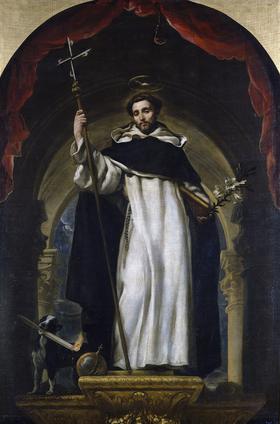
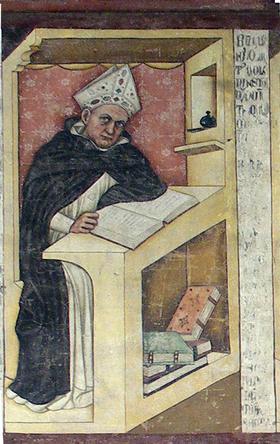
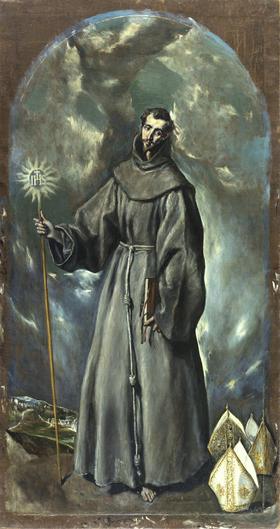
Doctor de la IglesiaSanto Tomás de Aquino Suma Teológica III, q. 80, a. 8, respondo
“Algo puede impedir la recepción de este sacramento de dos maneras: primero, en sí mismo, como el pecado mortal, que repugna a lo que este sacramento significa, como se dijo arriba (artículo 4); segundo, por prohibición de la Iglesia; y así a un hombre se le impide tomar este sacramento después de haber tomado alimento o bebida, por tres razones. Primera, como dice Agustín (Resp. ad Januar., Ep. liv), «por respeto a este sacramento», para que entre en una boca aún no contaminada por ningún alimento o bebida. Segunda, por su significado, es decir, para darnos a entender que Cristo, que es la realidad de este sacramento, y su caridad, deben establecerse ante todo en nuestros corazones, según Mateo 6, 33: «Buscad primero el reino de Dios». Tercera, por el peligro de vómito e intemperancia, que a veces surgen del exceso en la comida, como dice el Apóstol (1 Corintios 11, 21): «Uno, en efecto, tiene hambre, y otro está borracho».”
Traducción nuestra. Las palabras comprobadas en la fuente, en inglés:
“A thing may prevent the receiving of this sacrament in two ways: first of all in itself, like mortal sin, which is repugnant to what is signified by this sacrament, as stated above (Article 4): secondly, on account of the Church's prohibition; and thus a man is prevented from taking this sacrament after receiving food or drink, for three reasons. First, as Augustine says (Resp. ad Januar., Ep. liv), "out of respect for this sacrament," so that it may enter into a mouth not yet contaminated by any food or drink. Secondly, because of its signification. i.e. to give us to understand that Christ, Who is the reality of this sacrament, and His charity, ought to be first of all established in our hearts, according to Matthew 6:33: "Seek first the kingdom of God." Thirdly, on account of the danger of vomiting and intemperance, which sometimes arise from over-indulging in food, as the Apostle says (1 Corinthians 11:21): "One, indeed, is hungry, and another is drunk."”
Léalo en la fuente: New Advent
Véalo en la cronología: La Eucaristía